- Capital: Sao Tome [1]
- Population: about 231,000 [1]
- Area: 964 square kilometers (372 square miles) [1]
- Official language: Portuguese [1]
- Currency: Sao Tome and Principe dobra (STN) [2]
- The only country in the world whose territory is split by the equator [3]
I had to look this up twice. There's a country in Africa that sits directly on the equator, speaks Portuguese, has fewer people than a mid-sized American city, and most of us couldn't point to it on a map if you gave us three tries. Sao Tome and Principe is one of those places that quietly exists off the coast of Central Africa, doing its own thing, while the rest of the world keeps forgetting it's there.
I came across it while reading about cocoa. Turns out, for a stretch of the early twentieth century, this little two-island country was the biggest cocoa producer on the planet. Bigger than Ghana. Bigger than Ivory Coast. The chocolate in your grandmother's kitchen back in 1910 may very well have started its life here.
Two Islands on the Equator
The country is made up of two main islands, Sao Tome and Principe, plus a scatter of smaller islets, sitting in the Gulf of Guinea about 250 kilometers off the coast of Gabon [3]. The equator runs right through the southern part of Sao Tome island, crossing a tiny uninhabited rock called Ilheu das Rolas [3]. You can literally walk across the line. There's a monument there marking the spot, and standing on it puts one foot in each hemisphere.
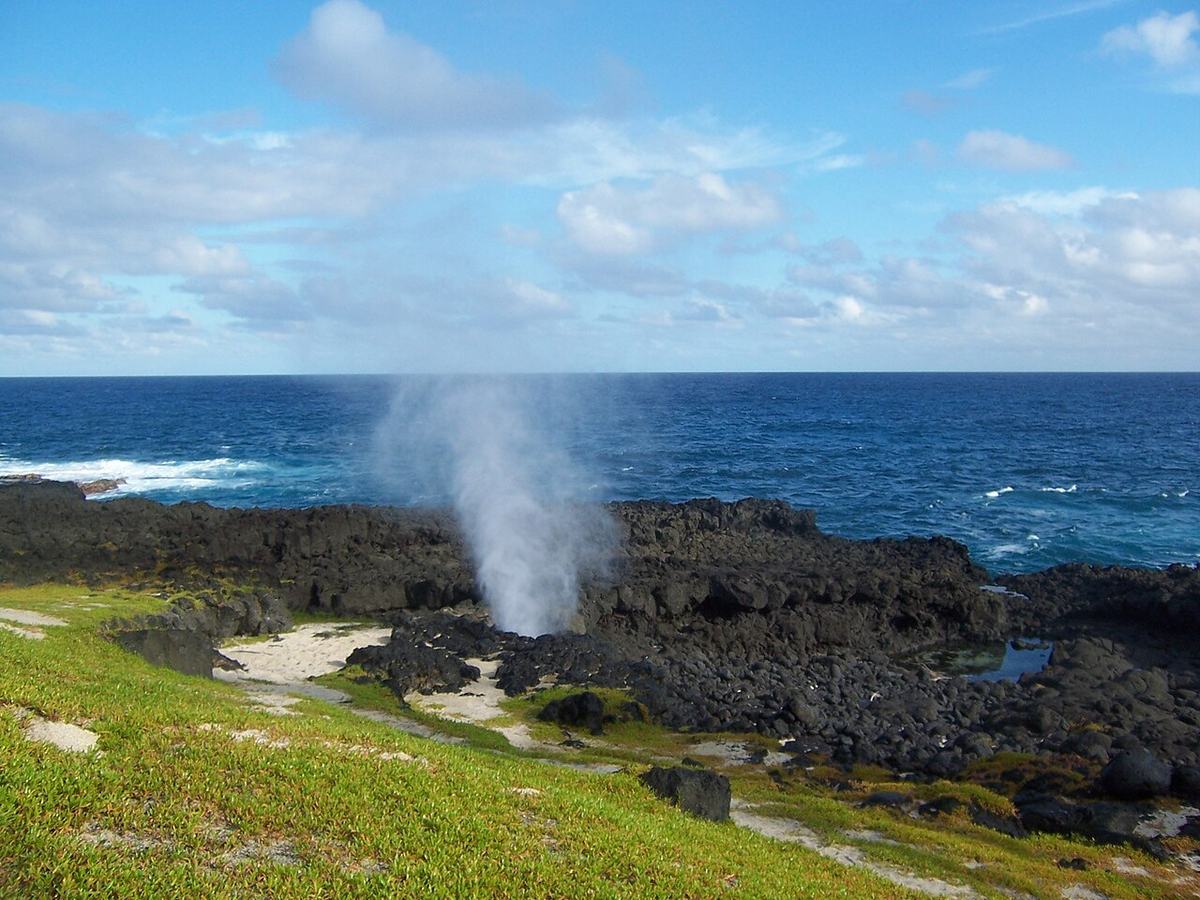
The whole country is about the size of Rhode Island. After Seychelles, it's the second-smallest country in Africa [1]. And yet the geography packs a punch. Volcanic peaks rise straight out of dense rainforest. Pico de Sao Tome, the highest point, reaches 2,024 meters [3]. The whole archipelago is volcanic in origin, part of the same line of activity that includes Mount Cameroon on the mainland.
A Cocoa Empire That Almost Ran the World
Here's the thing about Sao Tome's chocolate years. The Portuguese set up sugar plantations on the islands in the 1500s, then switched to coffee and cocoa in the 1800s. By 1908, Sao Tome and Principe was the world's largest exporter of cocoa [4]. Tiny country. Massive output.
That output came at a brutal cost. The plantations, called rocas, relied on contract laborers brought from Angola, Cape Verde, and Mozambique under conditions so harsh that British chocolate companies including Cadbury organized boycotts in the early 1900s [4]. The system was slavery in everything but name, and the international scandal it caused is one of the lesser-known stories in the history of fair trade activism.
Today, you can still visit the old rocas. Some are crumbling in the jungle. Others have been converted into eco-lodges. Cocoa is still grown here, but the country has long since lost its position as the world's leader.
A Forest Most People Never See
The Obo Natural Park covers about thirty percent of Sao Tome island and most of Principe [5]. It's a tropical rainforest that survived because the terrain was too steep and remote to fully clear for plantations. The result is one of the most biodiverse spots in Africa for its size. New bird species are still being identified. The Sao Tome grosbeak, once thought extinct, was rediscovered in the forest in 1991.
Principe, the smaller island, was designated a UNESCO Biosphere Reserve in 2012 [5]. It has fewer than 8,000 people and the kind of quiet, untouched coastline that travel writers usually invent. Back home in Montana we have wilderness, but this is a different scale of remote - islands that have been geographically isolated long enough to grow their own species.
Language, Culture, and Daily Life
Portuguese is the official language, but the islands have several Portuguese-based creoles spoken in daily life. Forro is the most common, descended from the language that developed among formerly enslaved people who settled on Sao Tome after Portugal abolished slavery [1]. There are also smaller creoles like Angolar, which is spoken by descendants of a community that survived a shipwreck of Angolan slaves in the 1500s.
The food leans into what the islands have always grown. Fish, breadfruit, bananas, palm oil, and cocoa show up everywhere. Calulu, a dish of dried fish or meat stewed with greens and palm oil, is the unofficial national meal. And the chocolate, when you can find a small local producer, is exceptional. Which, if you think about it, is exactly what you'd expect from a country that taught the world how to grow cocoa.
Frequently Asked Questions
Where is Sao Tome and Principe?
Sao Tome and Principe is an island country in the Gulf of Guinea, off the western coast of Central Africa. It sits about 250 kilometers from Gabon and is made up of two main islands and several smaller islets straddling the equator.
What language is spoken in Sao Tome and Principe?
Portuguese is the official language of Sao Tome and Principe. Most people also speak Portuguese-based creoles in everyday life, including Forro and Angolar. The country is one of the smallest Portuguese-speaking nations in the world.
Is Sao Tome and Principe safe to visit?
Sao Tome and Principe is widely considered one of the safer countries in Africa for travelers. Crime rates are low, political tensions are minimal, and tourism infrastructure is small but functional. Health precautions for tropical climates apply.
Why was Sao Tome and Principe famous for cocoa?
Sao Tome and Principe was the world's largest cocoa producer in the early 1900s. Portuguese colonial plantations called rocas drove the output, but the brutal labor conditions sparked international boycotts that helped shape early fair trade activism.