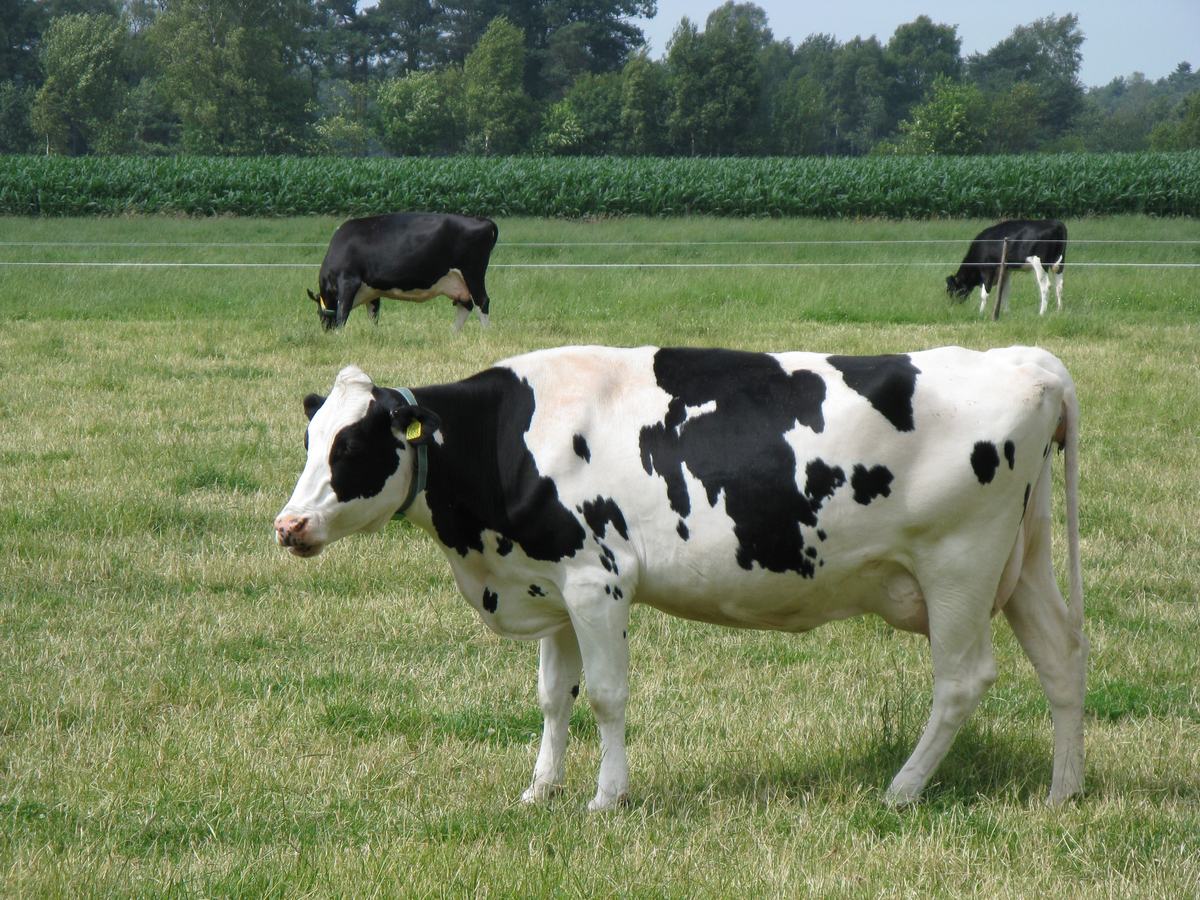
If you asked my Year 4 class what a cow does all day, most of them would say "eat grass", and then look very pleased with themselves. They are not wrong. But underneath that calm, grass-flavoured surface, a cow is doing something far odder and far cleverer than the cartoons let on. Here are the bits that made my class go quiet.
The Four-Chamber Myth
You have probably heard that cows have four stomachs. They do not. They have one stomach with four compartments, which is a different thing, and the distinction matters. The chambers are called the rumen, the reticulum, the omasum and the abomasum. The rumen is the giant one, and together with the reticulum it can hold something in the region of 50 to 120 litres. That is a lot of half-chewed grass sloshing about. (Yes, really.)
Chewing Yesterday's Breakfast
Here is the clever part. A cow swallows grass quickly, lets the rumen soften it, then brings it back up in small lumps to chew again. This is "chewing the cud", and it is where the word ruminating comes from. A cow can spend up to eight hours a day at it, working the jaw tens of thousands of times. Billions of microbes in the rumen do the actual digesting of the grass. The cow is really just farming bacteria.
Best Friends and Bad Days
Cows are not a vague brown mass in a field. They form close friendships, usually with one or two particular companions, and they seek those friends out. When researchers separate a cow from her preferred partner, her heart rate climbs and she shows signs of stress. Put the friend back, and she settles. My kids found this the most surprising fact of all, which tells you something about how we usually picture cows.


A Very Good Memory
Cows recognise faces, both cow faces and human ones, and they remember how those faces have treated them. Handle a cow gently and calmly, and she stays calmer around you for a long time afterwards. Handle her roughly, and she remembers that too. They also learn by watching each other, so one clever cow working out a gate latch is a genuine problem for a farmer. As it turns out, "dumb as an ox" is a slur with no evidence behind it.
The Bull and the Red Cape
The bullfighter's red cape is for the crowd, not the bull. Cattle are dichromats, which means they see the world in two colour channels rather than three. They pick up blues and yellow-greens reasonably well, but reds look dull and muddy to them. What actually sets a bull off is the movement of the cape, not its colour. Wave a white sheet with the same energy and you would get the same charge. The red is pure theatre.
The Grazing Line
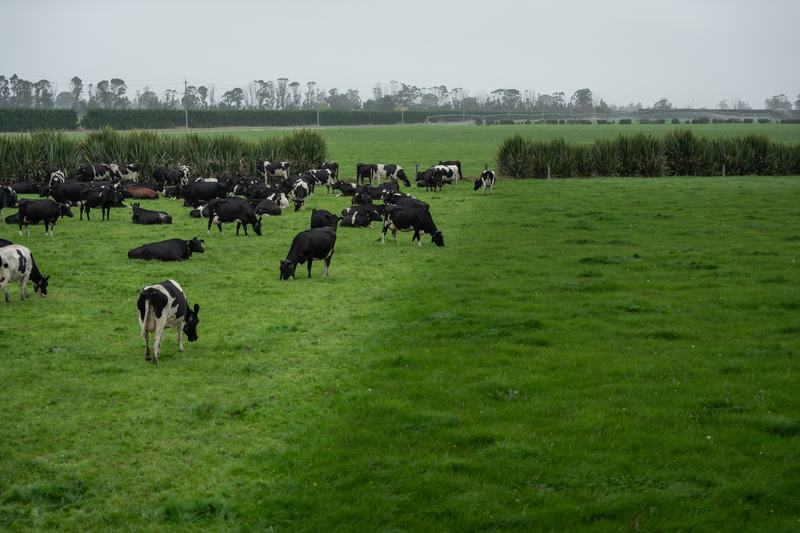
Cattle are grazing machines. Left to their own devices they will eat for many hours a day, taking tens of thousands of bites, wrapping that long muscular tongue around the grass and tearing rather than biting it. You can often see exactly how far a herd has reached: a neat, level line along a hedge or under the trees, everything below it nibbled flat. Farmers call it a graze line, and once you notice it you see it everywhere.

A Nose Like a Fingerprint
The pattern of ridges and bumps on a cow's muzzle is unique to that animal, the way a fingerprint is unique to a person. No two are the same, and they stay the same for life. Farmers and breed societies have used nose prints to identify individual cattle, and newer systems now photograph the muzzle and let a computer do the matching. Somehow the humble cow was carrying biometric ID around the whole time.
The Burping Problem
Cows and methane come up a lot, and the detail people get wrong is the direction. Most of the methane a cow produces comes out of the front end, in burps, not the back. It is a by-product of all those microbes fermenting grass in the rumen, and a single cow can release a few hundred litres of it a day. This is why so much current research is aimed at the rumen, tweaking cattle diets to make the burps less potent.
Frequently Asked Questions
Do cows really have four stomachs?
No. A cow has one stomach divided into four compartments: the rumen, reticulum, omasum and abomasum. Each does a different job in breaking down grass. The rumen is by far the largest and is where microbes ferment the plant material the cow cannot digest on its own.
Are cows intelligent?
Yes, more than their reputation suggests. Cows recognise individual faces, remember how people have treated them, solve simple problems and learn by watching other cows. Scientific reviews of cattle behaviour describe distinct personalities and real emotional responses, including clear bonds between particular animals.
Do bulls hate the colour red?
No. Cattle cannot see red the way we do, so the colour itself means little to them. A charging bull is reacting to the rapid movement of the cape and the surrounding commotion, not the shade of the fabric. A waved cloth of any colour would trigger the same response.
How long do cows spend eating?
A grazing cow can feed for many hours a day and then spend up to eight more hours chewing the cud, re-chewing food she has already swallowed. Between grazing and ruminating, a cow devotes a very large share of her waking life to processing grass.
Sources
- The Ruminant Digestive System - University of Minnesota Extension
- The Remarkable Ruminant Digestive System - Texas A&M School of Veterinary Medicine
- The Psychology of Cows - Animal Behavior and Cognition
- The Perception of Color by Cattle and Its Influence on Behavior - PubMed
- Cattle - Encyclopaedia Britannica