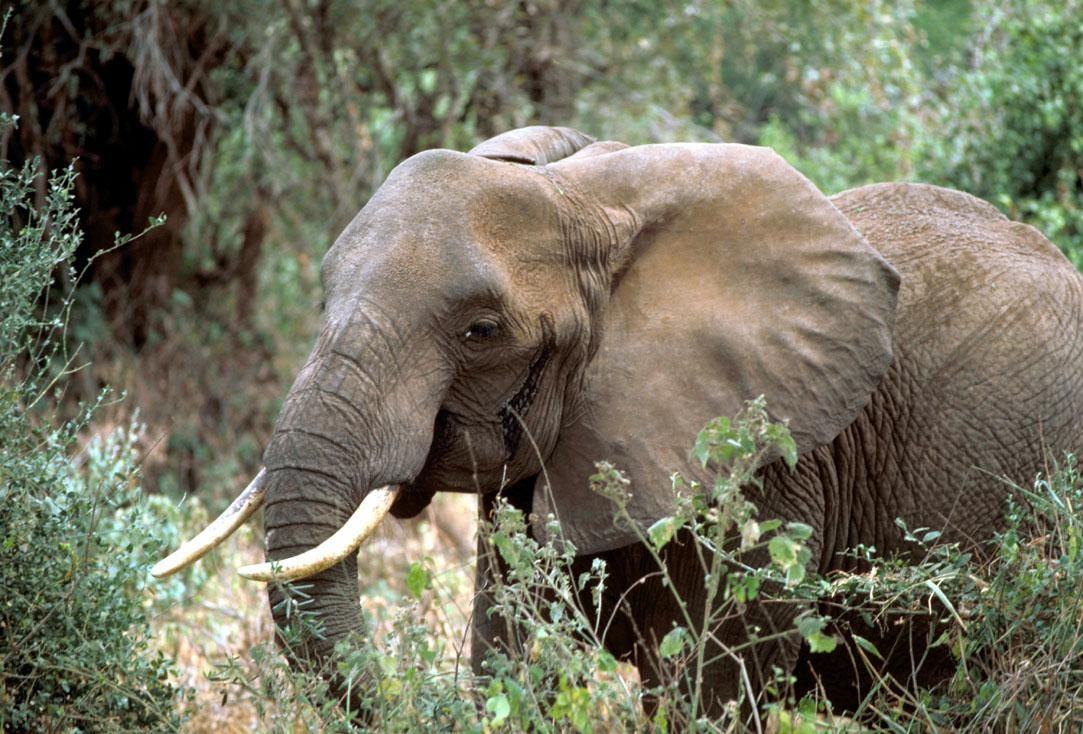
If you asked my Year 4 class to name the strongest bit of an elephant, they would point at the legs. Reasonable guess. Wrong, though. The most remarkable part is the trunk, which has no bone in it at all and can still shove a tree over or pick up a single blade of grass. It is the animal equivalent of a Swiss Army knife, if the knife also weighed as much as a grown man.
A Trunk With No Bones
The trunk is a fusion of the nose and upper lip, and it runs on muscle alone. Estimates put the number of muscles at around 40,000, which is a lot when you consider a human body makes do with a few hundred more or less. That is why an elephant can hoover up water, snap a branch, and delicately lift a peanut using the same appendage. No skeleton, all control.
Ears Shaped Like a Continent
An African elephant's ear is not just for hearing. It is a radiator. Blood flows through a web of vessels close to the surface, and a good flap sheds heat on a hot day. The ears are enormous because the animal is enormous and needs the cooling. There is a neat coincidence too: an African elephant's ear is roughly the shape of Africa. My kids love that one.

Talking Below Our Hearing
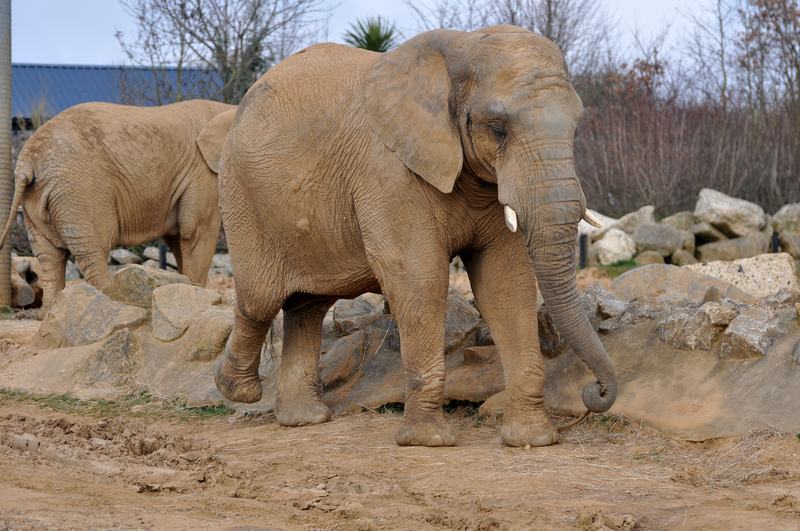
Elephants hold long conversations we cannot hear. Much of it happens in infrasound, low rumbles that sit below the range of the human ear. These calls carry for miles, and part of the message travels through the ground as vibration. Elephants pick it up through their feet and trunks, reading the earth like a text message. Two herds can coordinate across a valley without making a sound we would notice.
Led by the Oldest Female
A herd is a family run by its eldest female, the matriarch. She is the memory of the group. She remembers where water sat during a drought decades ago, which routes are safe, and which strangers to trust. When researchers played old recordings, elephants reacted to the voices of long gone companions, which tells you these are not animals that forget in a hurry. As it turns out, the reputation is earned.

Tusks Are Just Big Teeth
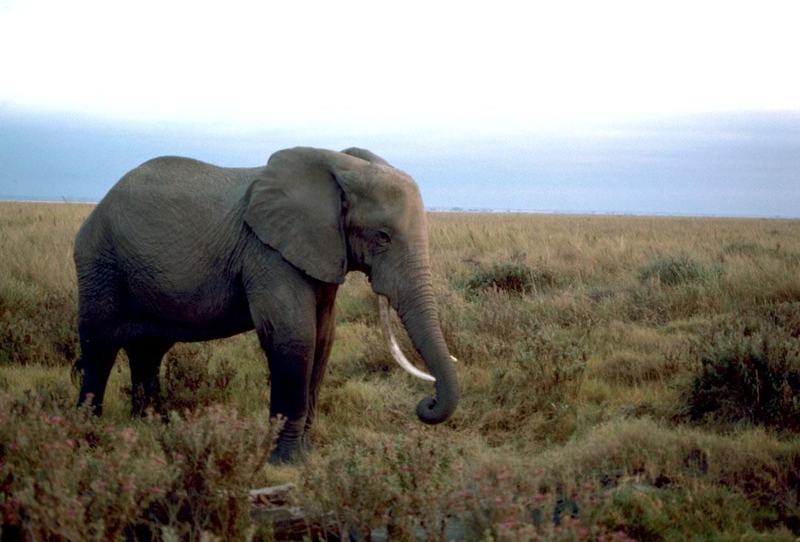
Tusks are not horns and they are not decorative. They are overgrown incisor teeth, and the elephant puts them to work. It digs for water and minerals with them, strips bark, levers up roots, and occasionally leans on them for a rest. Like a right handed person, most elephants favour one tusk, and you can spot the busier one because it wears down shorter and blunter than the other.
Six Sets of Molars in a Lifetime
An elephant does not get one set of adult teeth. It gets six. The huge grinding molars wear flat from a diet of tough grass and bark, so new ones grow in at the back and shunt the old ones forward and out. Once the sixth and final set is worn down, usually in the animal's sixties, it can no longer chew properly. Their teeth, in the end, set the clock.
The Mammal That Cannot Jump
Here is one that stops a classroom cold. An adult elephant cannot jump. Its legs are built as sturdy pillars for holding up a colossal weight, not springs, and the bones and joints simply are not designed to launch all six tonnes off the ground. It can run, walk, and swim surprisingly well, using its trunk as a snorkel. It just never gets all four feet in the air at once.
Nearly Two Years of Pregnancy
An elephant pregnancy runs for about 22 months, the longest of any land mammal. A calf arrives weighing roughly 120 kilograms, already standing taller than a Labrador, and the whole herd tends to muck in with the raising of it. Aunts and older sisters help mind the newborn. After nearly two years of waiting, nobody in the family treats the arrival casually, and I rather admire that.
Frequently Asked Questions
How much does an elephant weigh?
An adult African bush elephant weighs around 6 tonnes, making it the largest living land animal. Males are heavier than females and can exceed that figure. Asian elephants are smaller, usually between 3 and 5 tonnes, though still far heavier than any other land animal alive today.
Can elephants really not jump?
Correct, adult elephants cannot jump. Their legs are structured as weight bearing columns rather than springs, and their sheer mass makes leaving the ground impossible. They compensate by being strong walkers and capable swimmers, and they can move quickly over short distances when they need to.
Do elephants have good memories?
Yes, elephants have excellent long term memories. Matriarchs recall the locations of water and safe routes across many years, and elephants recognise individuals, including people and other elephants, long after last meeting them. This memory is central to how a herd survives droughts and other hazards.
What is the difference between African and Asian elephants?
African elephants are larger, with bigger ears and a dip in the back, and both sexes usually grow tusks. Asian elephants are smaller, have rounded ears and an arched back, and often only males have prominent tusks. They are separate species with different ranges and habits.