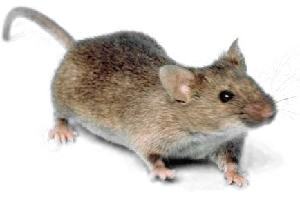
Ask my Year 4 class to describe a mouse and you get the same three words every time: small, grey, scared. All fair. But a mouse is also a singer, an acrobat, and one of the most studied animals on the planet. Not bad for something that weighs about as much as an AA battery.
Mice Sing Songs We Cannot Hear
Male mice court females with song. Not squeaks - actual structured songs, with syllables and repeated phrases, pitched far above what our ears can manage (mostly 30 to 110 kilohertz). We hear up to about 20. So a mouse can be working through a love ballad on your kitchen floor and you would never know. Researchers have to record it and slow it down to listen in. (Yes, really.)
Their Teeth Never Stop Growing
A mouse's front teeth grow for its entire life, a little every single day. That is why they gnaw at everything - skirting boards, wires, the corner of a cereal box. It is not spite. It is dental maintenance. If a mouse stopped chewing, its incisors would curve round and eventually stop it eating altogether. Constant gnawing keeps them filed down to a working length.


They Fit Through Gaps the Width of a Pencil
A house mouse can squeeze through a hole about six millimetres across, roughly the width of a pencil. Their skeleton helps: no rigid collarbone to block the shoulders, and ribs that flex. If the skull fits, the rest follows. This is why mouse-proofing a house is such a losing battle. The gap you would never notice is a perfectly good front door to them.
They Sweat Only Through Their Feet
Mice barely sweat at all. They have no sweat glands across the body, only on the soles of their feet. To cool down they rely mostly on their tail, which they flush with warm blood to shed heat like a little radiator. Handy in summer. Less handy in a heatwave, which is one reason mice keep to cool, shaded nooks and do most of their business at night.
One Female, a Very Full Calendar
Here is the number that makes pest controllers sigh. A female mouse can breed from about six weeks old, carry a litter for just three weeks, and produce five to ten litters a year, with around half a dozen pups each time. The maths runs away from you quickly. A pair of mice in a well-stocked shed can become a serious crowd before the season is out.

The Cheese Thing Is a Myth
The cartoons lied. Mice are not especially keen on cheese. Given a free choice they go for grains, seeds, and sweet things - a bit of chocolate or fruit will out-tempt cheddar every time. Cheese simply smells strong and was often left out in old larders, so it earned a reputation it never really deserved. Offer a real mouse a peanut and it will walk straight past the Brie.
Whiskers That Read the Room
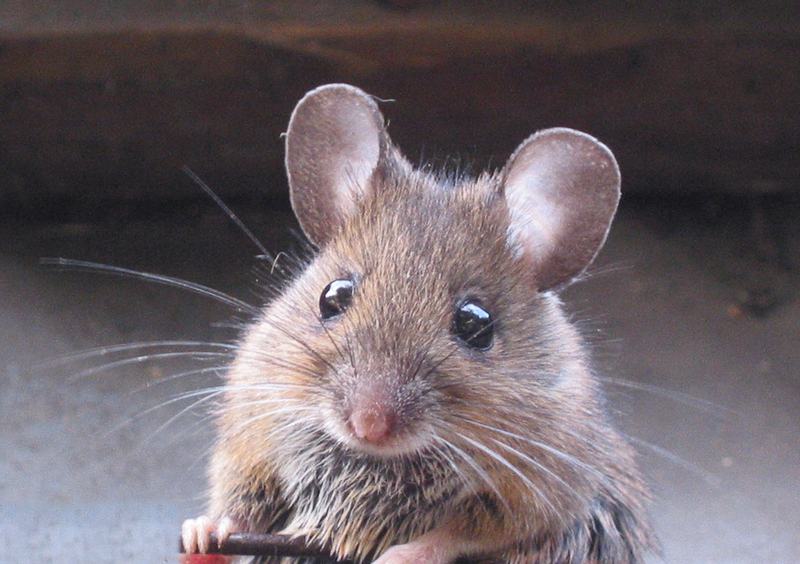
A mouse in the dark is not lost. It sweeps its whiskers back and forth many times a second, a behaviour called whisking, building a touch-map of everything nearby - walls, gaps, the edge of a shelf. Paired with a very sharp sense of smell, this lets a mouse cross a pitch-black room it has never entered before. Eyesight, for a mouse, is almost an afterthought.
The Most Studied Mammal on Earth
More biomedical research is carried out on the house mouse than on any other mammal. The reasons are partly that runaway breeding calendar, and partly genetics: the vast majority of mouse genes have a close human counterpart. Study a gene in a mouse and you often learn something true about people. Much of what we know about cancer, immunity, and the brain started with a mouse.
Frequently Asked Questions
How long do mice live?
In the wild, most house mice live under a year, often only a few months, thanks to predators and cold. In captivity, with food and safety, they commonly reach two to three years. Lifespan depends far more on danger than on the animal's natural limit.
Do mice actually like cheese?
Not particularly. Mice prefer grains, seeds, and sweet foods over cheese. The cheese association comes from old larders where cheese was stored in the open, not from any real preference. Peanut butter or chocolate works far better as bait.
Can mice see well?
No, mice have poor eyesight and see the world in a limited range of colour. They rely mainly on smell, hearing, and their whiskers to get around. This is why a mouse can move confidently through near-total darkness.
Why do mice squeak?
Audible squeaks usually signal distress, alarm, or contact between mice. Much of a mouse's real communication, though, happens in ultrasound above our hearing, including the courtship songs of males. Squeaking is only the part we can catch.