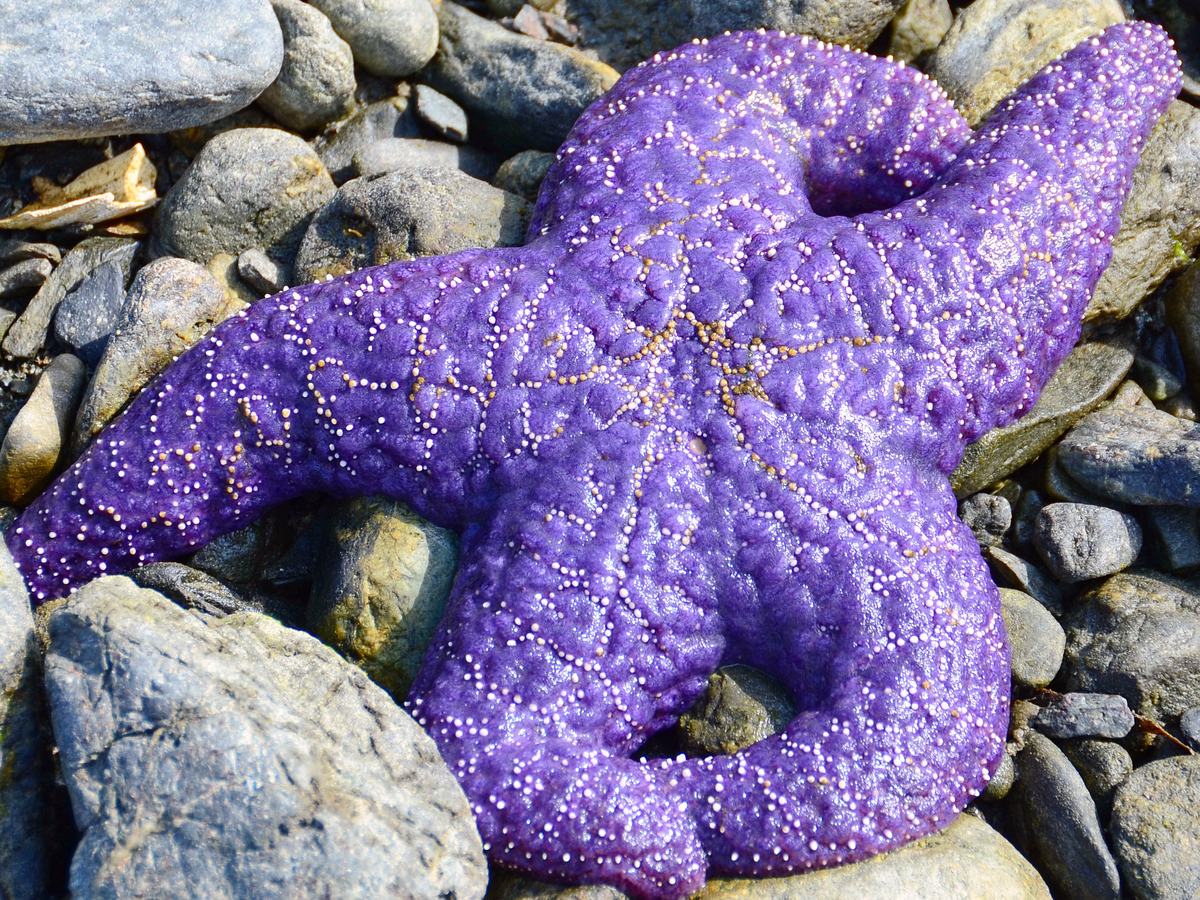
If you asked my Year 4 class to describe a starfish, they would say pretty, harmless, and probably a fish. Two of those are fair. The third is where it all falls apart. What looks like a cheerful little decoration on the seabed is one of the strangest animals in the sea, and almost nothing about it works the way you would expect.
They Are Not Fish
Let us clear this up first. A starfish is not a fish. It has no gills in the fishy sense, no fins, no backbone, and no interest in swimming anywhere. It is an echinoderm, which makes it a close cousin of sea urchins and sand dollars. There are around 2,000 species of them [1]. Scientists tend to call them sea stars, partly for accuracy and partly, I suspect, to end this exact argument.
No Brain, No Blood
Here is the one that stops people mid-sentence. A starfish has no brain [2]. It runs on a ring of nerves that loops around its body, with a nerve reaching down each arm. It has no blood either. Instead of a heart pumping blood, it pumps seawater through a network of canals called the water vascular system [2]. Filtered sea water does the job our blood does. Which, fair enough, is a bold way to build an animal.
Hundreds of Tiny Feet
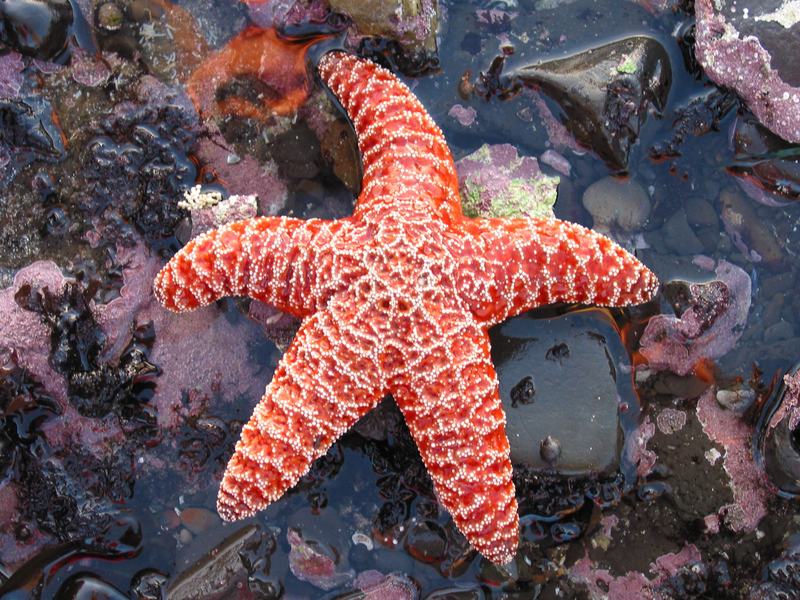
Look underneath a starfish and you will see rows of little tubes wriggling about. These are tube feet, and there can be hundreds of them [2]. Each one works by water pressure, extending and gripping as the animal pumps fluid in and out. Water enters through a small pale spot on top called the madreporite, a sort of built-in sieve plate [2]. The whole creature moves like a slow, hydraulic machine. No muscles hauling it along, just plumbing.

A Stomach That Steps Out
This is the fact that silenced my classroom. When a starfish finds a mussel, it does not swallow it. It prises the shell open a crack, then pushes its own stomach out through its mouth and into the gap [3]. The stomach digests the mussel inside its own shell, and the soupy result is drawn back in. The animal eats its dinner from the outside. Nobody warned me about this.
Eyes on the Ends of Its Arms
A starfish has eyes, and they are in a place you would never check. There is a small eyespot at the tip of each arm [4]. These are simple eyes, nothing like ours, but they detect light and shapes well enough for the animal to find its way back to the reef [4]. So a five-armed starfish is, in effect, looking in five directions at once. Slowly, and without a brain to make sense of any of it.
Lost an Arm? Grow Another
Starfish are famously hard to be rid of. Lose an arm to a hungry fish and most species will simply grow it back. A few take this much further. In certain sea stars, a single severed arm can regenerate an entire new animal, as long as part of the central disc goes with it [1]. One arm becomes a whole starfish. It is one of the reasons cutting them up, an old fishermen's habit, only ever made the problem worse.

Not Always Five Arms
The classic five-pointed shape is only the beginning. Plenty of species carry six, ten, or more. The sunflower sea star is the show-off of the group, with up to 24 arms and a span that can reach roughly a metre across [5]. It is one of the largest sea stars in the world, and surprisingly quick, at least by starfish standards. Seeing one is a bit like meeting a garden spider the size of a dinner plate. My kids would love this.
A Quiet Catastrophe
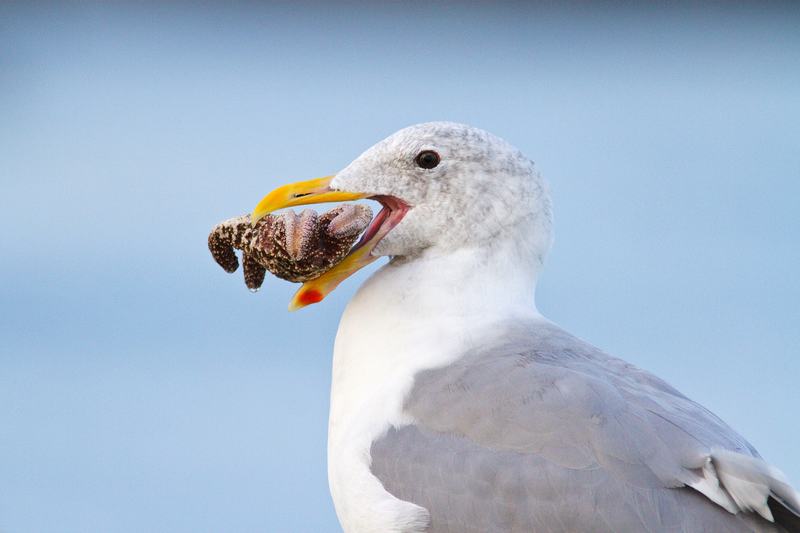
Not everything about starfish is cheerful. From 2013 a disease known as sea star wasting swept along the Pacific coast of North America [6]. Affected animals develop lesions, then their arms twist off and their bodies dissolve. Millions died, and the sunflower sea star was hit especially hard [6]. Losing them mattered, because these are important predators that keep other populations in balance. A slow animal, it turns out, can leave a very large gap.
Frequently Asked Questions
Are starfish actually fish?
No. Starfish are echinoderms, related to sea urchins and sand dollars, not fish. They have no backbone, no gills of the usual kind, and no fins. Because the name misleads people, many scientists now prefer the term sea star.
How do starfish eat their food?
Many starfish eat by pushing their stomach out through their mouth and onto their prey. The stomach digests a mussel or clam inside its own shell, and the animal then draws the stomach and its meal back inside. It is external digestion.
Can a starfish really grow back an arm?
Yes. Most starfish can regrow an arm lost to a predator. In some species a single detached arm can grow into a whole new animal, provided it keeps part of the central disc. Regeneration can take months to complete.
Do starfish have eyes?
Yes, though not where you would look. Each arm has a simple eyespot at its tip that senses light and rough shapes. This crude vision helps a starfish navigate back toward the reef or shelter, even without a brain to process the images.
How many arms does a starfish have?
Most starfish have five arms, but many species have more. The sunflower sea star can carry up to 24 arms and grow around a metre across. If an arm is lost, a starfish will usually regrow it over time.