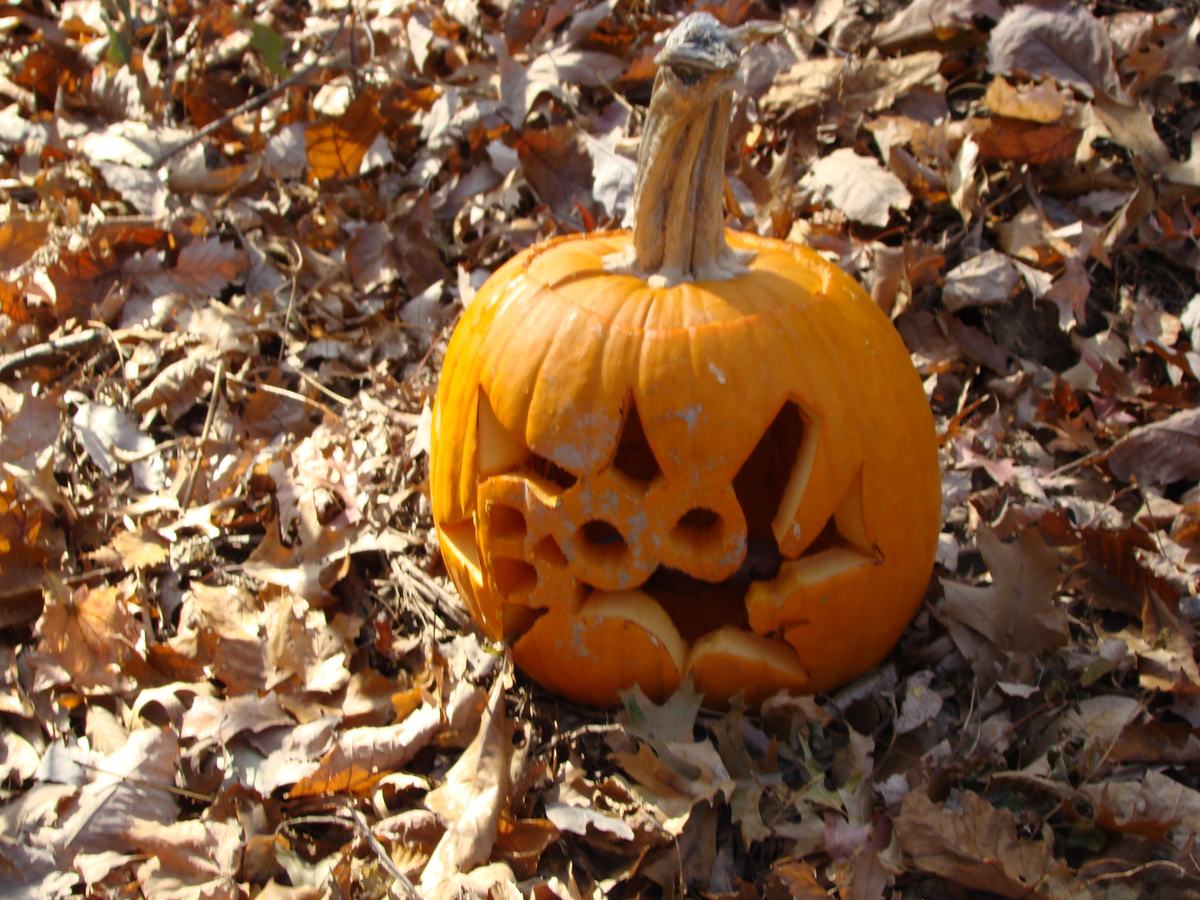
- Date: October 31, the eve of All Saints' Day [1]
- Roots: Samhain, a Celtic festival marking the end of harvest [1]
- Name: a Scottish contraction of "All Hallows' Eve" [1]
- US spending: about $13.5 billion expected in 2026, after a record $13.1 billion in 2025 [3]
- Biggest category: costumes at $4.4 billion, ahead of candy at $4.1 billion [3]
- First printed use of "trick or treat": a Canadian newspaper, 1927 [2]
I grew up thinking Halloween was an American holiday, the way Thanksgiving is American, or the Fourth of July. Our town in Montana did it the classic way. Pillowcases, cheap plastic masks with the elastic that snapped by the third house, and a hard rule about getting home before the porch lights went off. Then I started reading about where it all came from and found out we were the last stop on a two-thousand-year road trip. Most of the miles happened somewhere else.
Samhain and the Thin Night
Long before anyone carved a pumpkin, the Celts of Ireland, Scotland, and parts of Britain and France marked a festival called Samhain (you say it SOW-in). [1] It fell at the turn from the light half of the year to the dark half. Harvest was in. Cattle came down from summer pastures. Winter was the part of the year that killed people, and everybody knew it.
On that night, the Celts believed, the line between the living and the dead got thin. Spirits wandered back. Some came home looking for a warm seat by the fire, and families set out food for them. Others were less friendly, so people lit huge bonfires and wore disguises, partly to blend in and partly to scare off whatever was out there. [2]
Which, if you think about it, means the costume is the oldest part of Halloween. Older than the candy, the pumpkins, and the name itself.
How the Church Renamed the Night
Christianity didn't erase Samhain. It moved in next door. In the 8th century, Pope Gregory III set November 1 as the day to honor all saints, and over time the evening before became All Hallows' Eve. [1] "Hallow" just meant a holy person. The Scots squeezed the phrase down to Hallowe'en, and the poet Robert Burns helped make the word stick with a long 1785 poem called "Halloween" about country folk telling fortunes on that night. [1]
Those fortunes matter more than you'd think. A lot of what we now call party games started as serious attempts to see the future. Bobbing for apples, peeling an apple in one long strip and tossing it over your shoulder to read the shape of a lover's initial, staring into a mirror in a dark room to catch a glimpse of the person you'd marry. Young people took this stuff seriously. Halloween used to be as much about romance as about ghosts.
The Jack-o'-Lantern Was a Turnip
Here's the thing that got me. In Ireland and Scotland, the original lanterns weren't pumpkins. People carved faces into turnips, potatoes, and big beets, then set a coal or candle inside. [2]
The story behind it involves a man called Stingy Jack, who supposedly tricked the Devil twice. When Jack died, heaven didn't want him and the Devil, still sore, wouldn't take him either. He sent Jack off into the dark with a single burning coal, which Jack put inside a carved turnip. Ever since, Jack of the Lantern has wandered the countryside. People carved their own scary faces to keep him, and spirits like him, away from the house. [2]
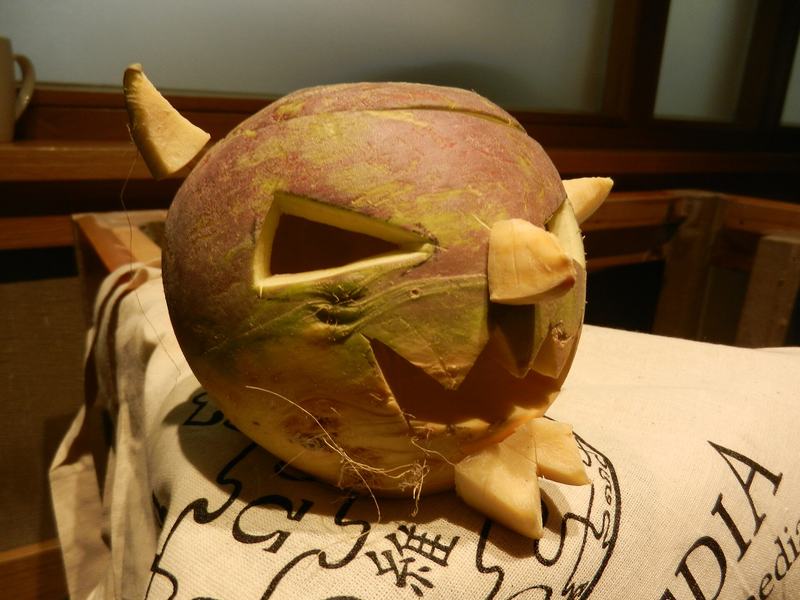

When millions of Irish immigrants came to the United States in the 1800s, many of them fleeing the famine, they brought the custom with them. And they found pumpkins. Bigger, softer, hollow inside, and a lot easier to carve than a rock-hard turnip. The swap took about one season. If you look at that turnip up there for more than a few seconds, you'll understand why nobody looked back. It looks like something out of a bad dream, which was kind of the point.
Trick or Treat Is Younger Than Your Grandparents
The phrase "trick or treat" is only about a hundred years old. The earliest known printed example comes from a newspaper in Alberta, Canada, in 1927, describing kids going door to door. [2] The tradition before that went by other names. In Scotland and Ireland it was "guising," where children in costume had to earn their treat with a song, a poem, or a joke.
The "trick" part was real, too. In early 20th-century America, Halloween got rough. Young men tipped over outhouses, took gates off their hinges, and soaped windows all over town. By the 1920s and 1930s, towns started looking for a way to channel all that energy into something less destructive. Anoka, Minnesota, held one of the first organized Halloween celebrations in 1920, with a parade and a bonfire meant to keep kids out of trouble. [4] The town still calls itself the Halloween Capital of the World. I've driven through Anoka exactly once, on a fall trip to see my cousin in the Twin Cities, and the whole place was orange.
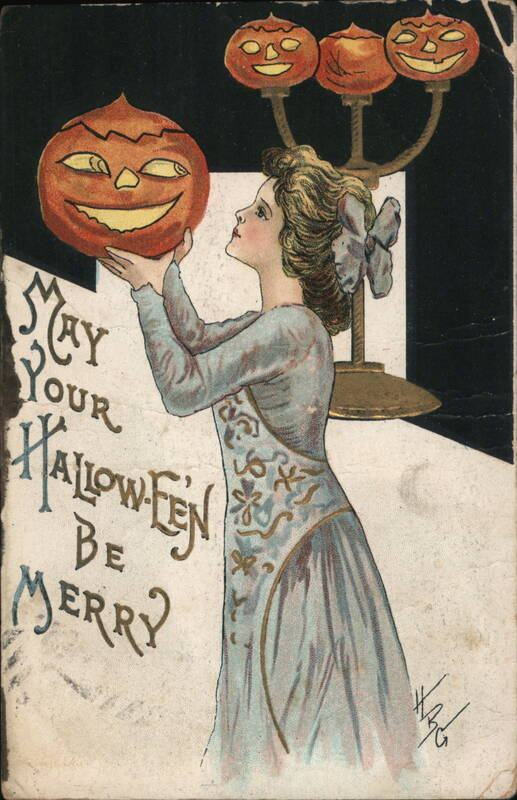

Then World War II hit, sugar went on the ration list, and trick-or-treating mostly stopped. [2] It came back hard after the war, during the baby boom, when suburbs filled up with kids and candy makers figured out what a gold mine this night could be.
Candy Corn and the Poisoned Candy Myth
Candy corn is older than trick-or-treating. A candy maker in Philadelphia came up with it in the 1880s, and back then people bought it all year round, not just in October. [2] It was a farm-country candy, shaped like the corn kernels that a lot of Americans still worked with every day.
These days the money is almost hard to believe. Americans spent a record $13.1 billion on Halloween in 2025, and the National Retail Federation expects about $13.5 billion this year. [3] The part that surprised me is where it goes. Costumes now pull in $4.4 billion, decorations $4.3 billion, and candy comes third at $4.1 billion. [3] The holiday built on sugar now spends more on what you wear and what you hang on the porch.
And nobody talks about this, but the big fear every parent had when I was a kid, the razor blade in the apple or the poisoned candy from a stranger, never really happened. Researchers who went looking for cases of strangers killing children with Halloween candy came up empty. [5] The most famous case, from Texas in 1974, involved a father who poisoned his own son with laced Pixy Stix to collect insurance money. He tried to make it look like a random stranger. It wasn't. [5] My mom still checked every wrapper anyway. So did everyone's mom.
A Few Odd Halloween Coincidences
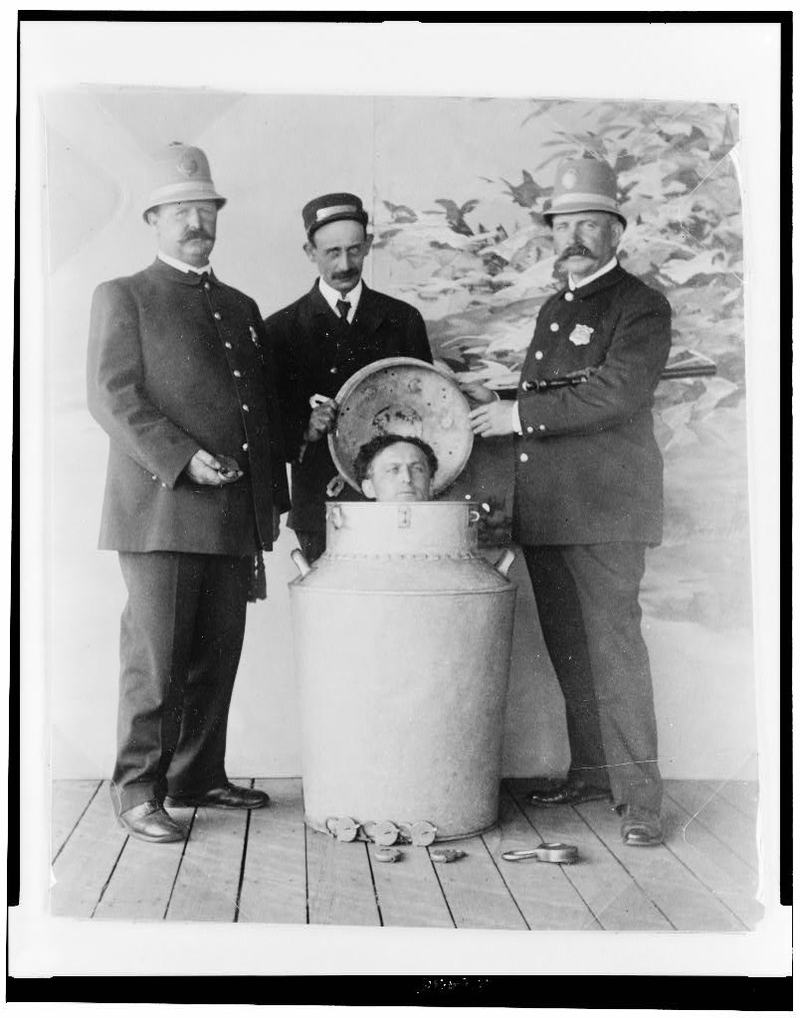
Some things about this night just feel scripted. Harry Houdini, the most famous escape artist who ever lived and a man who spent years trying to expose fake psychics, died on Halloween in 1926. [1] For decades afterward, fans held séances on October 31 hoping he'd send a message from the other side. He promised his wife he'd try. Nothing came through.

The colors have a story too. Orange stands for the harvest and the fall leaves. Black stands for the dark half of the year and for death. Put them together and you've got Samhain in two colors, still printed on every bag of fun-size candy at the grocery store, two thousand years after the bonfires went out.
Frequently Asked Questions
Where did Halloween originate?
Halloween comes from Samhain, a Celtic festival held in Ireland, Scotland, and nearby regions to mark the end of harvest. The Celts believed the dead could return that night. Later, Christian All Hallows' Eve merged with it, and Irish and Scottish immigrants brought the customs to North America.
Why do we carve pumpkins on Halloween?
People carve pumpkins because of an Irish and Scottish tradition of carving faces into turnips and potatoes to scare off wandering spirits. Irish immigrants in the United States switched to pumpkins in the 1800s because they were native, larger, and much easier to hollow out.
When did trick-or-treating start?
Trick-or-treating as we know it took shape in North America in the 1920s and 1930s. The phrase first appeared in print in a Canadian newspaper in 1927. It grew from older Scottish and Irish customs called guising, where costumed children performed for food.
How much do Americans spend on Halloween?
The National Retail Federation expects Americans to spend about $13.5 billion on Halloween in 2026, close to the record $13.1 billion of 2025. Costumes lead at $4.4 billion, followed by decorations at $4.3 billion and candy at $4.1 billion. The average shopper plans to spend about $115.
Has anyone actually been poisoned by Halloween candy from a stranger?
No confirmed case exists of a stranger killing a child with poisoned Halloween candy. The best-known case, from Texas in 1974, involved a father who poisoned his own son and blamed strangers. The fear spread widely, but researchers have found it is largely a myth.