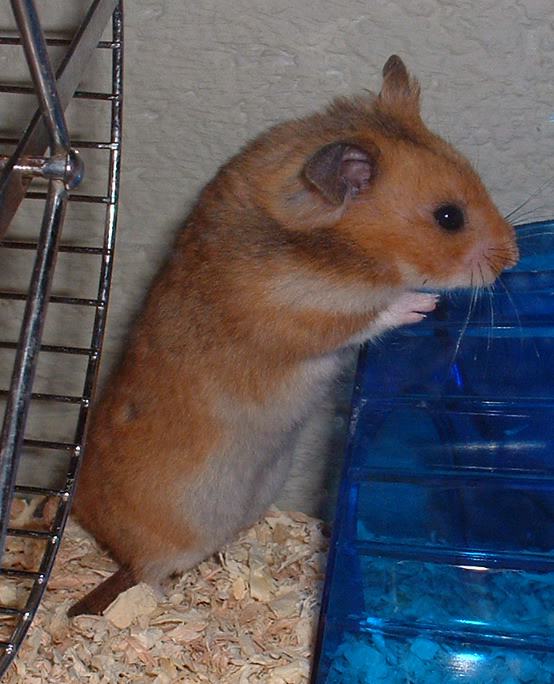
Ask my Year 4 class to describe a hamster and you get "small", "fluffy", and "sleeps a lot". All true. What they miss is that this pocket-sized rodent is a champion hoarder, a long-distance runner, and, in the wild, a creature most people will never clap eyes on. There is a great deal packed into something roughly the size of a bread roll.
The Cheek Pouches Reach the Hips
A hamster's cheek pouches are not little cheeks. They are elastic pockets that stretch all the way back towards the shoulders and hips. Stuffed full, a Syrian hamster can look as though its head has doubled in width. The pouches carry seeds, grain, the odd scrap of bedding, and, when a mother feels threatened, her own pups. She tucks them in, trots somewhere safer, and lets them back out. Nobody warned me about this.
Nearly Every Pet Hamster Shares One Ancestor
Here is the odd bit. Most pet golden hamsters in the world trace back to a single family. In 1930, the zoologist Israel Aharoni dug a female and her litter out of a wheat field near Aleppo, in Syria. A handful of those pups survived, bred at the Hebrew University in Jerusalem, and their descendants spread across the globe. So the hamster in a classroom in Bristol is, in a real sense, a distant cousin of almost every other pet hamster alive. (Yes, really.)
Built for the Night
Hamsters are crepuscular, which is a lovely word meaning they are busiest at dawn and dusk. Come daytime, they sleep. Come night, they run. On a wheel, a pet hamster can clock several kilometres before morning, which makes more sense once you learn how far their wild relatives roam to find food. If your hamster seems dull in the afternoon, it is not sulking. It is simply off shift.
The Name Means 'To Hoard'
The word "hamster" comes from the German "hamstern", meaning to hoard or store away. It is a fitting name. Wild hamsters dig burrows with dedicated larders and pack them with grain for the winter. A European hamster can stash several kilograms of seeds underground, which is a serious shopping trip for an animal that small. My kids found this far funnier than they should have.
Teeth That Never Stop Growing
A hamster's front teeth never stop growing. They are open-rooted, which means they keep pushing outward for the animal's whole life. Left unchecked they would become a real problem, so a hamster gnaws, on seeds, on wood, on the bars of its cage at three in the morning. The chewing wears the teeth down and keeps them in trim. It is maintenance, not mischief, though it rarely feels that way at 3am.
They Prefer Their Own Company
Syrian hamsters are loners, and firmly so. In the wild they live alone and defend their patch. Put two adults together and they will usually fight, sometimes badly. This is why keepers house them one to a cage. It is not loneliness, it is simply how the species is wired. Some dwarf hamsters tolerate company a little better, but even they can fall out. Which, fair enough.
The Wild Cousin Most People Never See
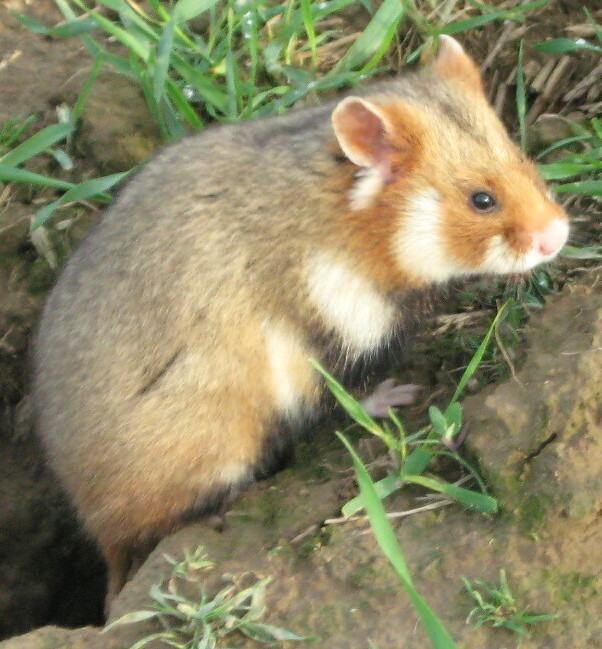
Beyond the pet shop lives the European hamster, a much larger, boldly marked animal with a black belly. It was once so common that farmers treated it as a pest. Then it collapsed. In 2020 it was listed as critically endangered, having vanished from most of its old range as farmland changed around it. The tame golden hamster is thriving in bedrooms worldwide while its wild relation is quietly disappearing. And yet.

Small, Smaller, Smallest
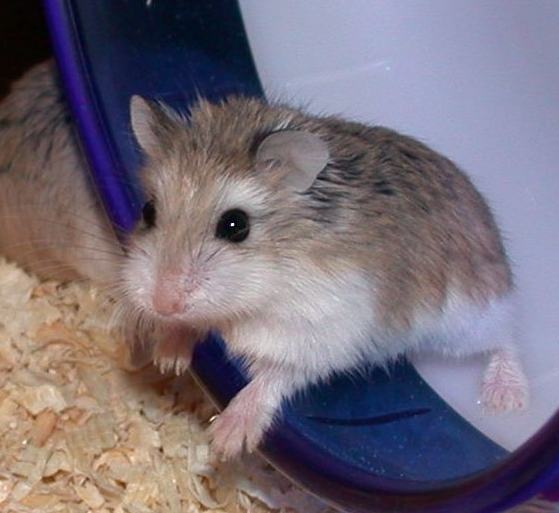
Not all hamsters are the same size. The Roborovski dwarf is the smallest kept as a pet, roughly five centimetres of pure momentum. It is also the fastest and twitchiest, which makes it a poor choice for small hands and a brilliant one for watching. I saw one at a friend's house once and lost track of it four times in a single minute. Somehow it never left the tank.

Frequently Asked Questions
Do hamsters need to live alone?
Syrian hamsters should always live alone. They are naturally solitary and territorial, and housing two together usually leads to fighting. Some dwarf species tolerate company, but they still need careful monitoring, as even settled pairs can turn on each other without much warning.
Why do hamsters stuff their cheeks?
Hamsters use their cheek pouches to carry food back to a safe place to store or eat later. The pouches stretch towards the shoulders and can hold a surprising volume. Mother hamsters sometimes use them to carry their young to safety when they feel threatened.
Are hamsters nocturnal?
Hamsters are mainly crepuscular, most active at dawn and dusk, and they also move about during the night. They sleep through much of the day. This is normal behaviour, so a hamster that is quiet in daylight is resting rather than unwell.
How long do pet hamsters live?
Most pet hamsters live around two to three years. Syrian hamsters tend to sit at the longer end, while smaller dwarf species often have shorter lives. A good diet, a clean home, and space to exercise all help a hamster reach a healthy old age.