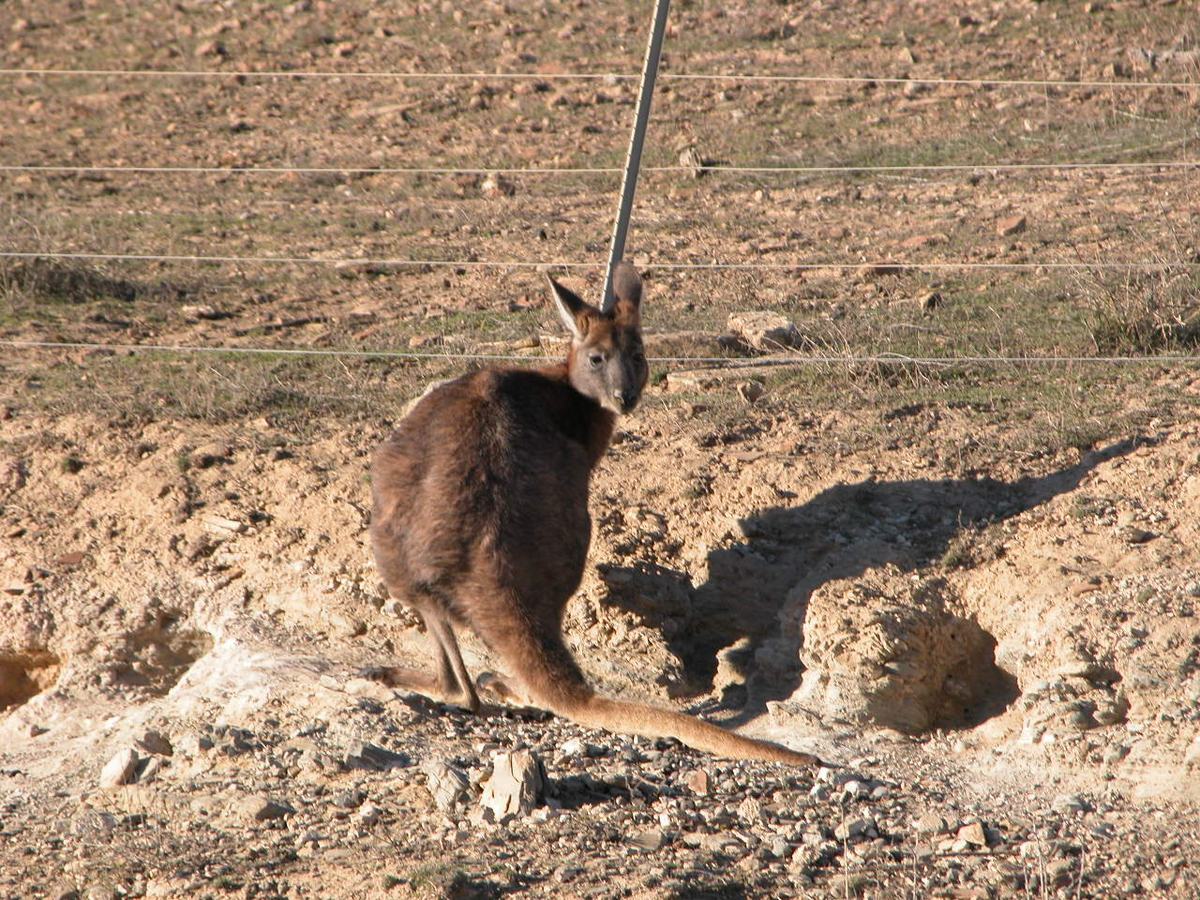
If you asked my Year 4 class to describe a kangaroo, they would mime a hop and then stop, because that is genuinely most of the story. But not all of it. Kangaroos are stranger than the hopping suggests. They cannot walk backwards. They can pause a pregnancy. And the females raise young the size of a jellybean inside a pocket. Here are the facts I bring back from Australia, minus the sunburn.
Built to Hop, Not to Walk
A kangaroo does not run. It bounces, and it does so with the efficiency of a good spring. The big tendons in its back legs store energy on landing and fling it back on the next push, so hopping faster barely costs extra effort. A red kangaroo can cruise at around 25 kilometres per hour, sprint near 70 in short bursts, and clear nine metres in a single bound. Somehow, all of that runs on grass.
They Cannot Go Backwards
Here is a fact Australia liked so much it put it on the coat of arms. The kangaroo sits there alongside the emu, both chosen because neither can easily move backwards, a tidy symbol of a nation going forward. The kangaroo's problem is design. Those enormous feet and that thick tail get in the way, so reversing is clumsy at best. A kangaroo would rather turn its whole body around than attempt it. Which, fair enough.
The Tail Is a Fifth Leg
When a kangaroo moves slowly, it does something no other animal does. It plants its tail on the ground and pushes. A 2014 study measured the force and found the tail does as much work as a human leg, propelling the animal forward while the front paws and back legs shuffle along. Scientists call this pentapedal walking, which is a grand term for getting about on five limbs. The tail is not a prop. It is an engine.

A Joey the Size of a Jellybean
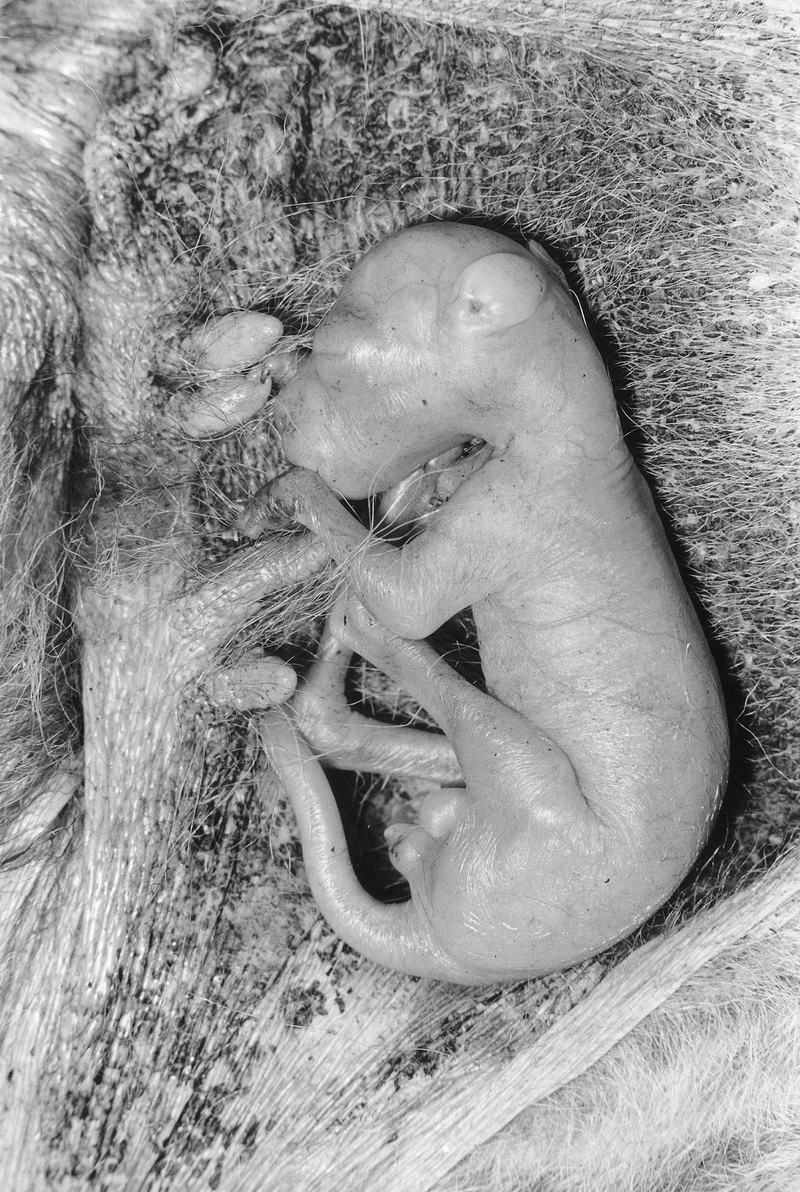
A newborn kangaroo is about two centimetres long, pink, blind, and roughly the size of a jellybean. It has no back legs to speak of yet. What it does have is two working front arms, and it uses them to haul itself up through its mother's fur and into the pouch, entirely alone. Once there, it clamps onto a teat and stays put for months. My kids never quite believe the jellybean part until I show them the photograph.
Pregnancy on Pause
This is my favourite, so bear with me. A female kangaroo can hold a fertilised embryo in a kind of suspended animation, pausing its development until the moment is right. If there is already a joey in the pouch, the spare embryo simply waits. When the pouch frees up, or when the rains return and food is plentiful, development switches back on. A mother can have a hopping joey, a pouch joey, and a paused embryo all at once. Nature, hedging its bets.

Boxing Matches Are Real
Male kangaroos really do box, and it is not a cartoon. When two males compete, they grapple with their forearms, then lean back on that sturdy tail and deliver a hard kick with both hind legs. The tail works as a tripod so the whole body weight goes into the kick. It settles who gets to mate. A large male red kangaroo can stand nearly as tall as a person, so this is not a gentle disagreement.
Licking to Keep Cool
Kangaroos cannot sweat the way we do, so on a hot day they do something that looks odd. They lick their forearms, thoroughly, over and over. The skin there sits close to a network of blood vessels, and as the saliva evaporates it cools the blood passing underneath, rather like a radiator. It is not grooming and it is not nerves. It is air conditioning, done with a tongue. Nobody warned me about this the first time I watched it.
Most Are Left-Handed
For a long time, true handedness was thought to be a mostly human and primate trait. Then researchers watched wild kangaroos grooming, feeding, and leaning, and noticed something consistent. Most of them favoured the left hand for fine tasks, a preference published in 2015 that caught the field off guard. It seems standing upright on two legs, as kangaroos often do, may nudge a species towards picking a dominant side. So the average kangaroo is a leftie, and rather committed about it.
Where the Name Came From
There is a popular story that 'kangaroo' means 'I don't understand', supposedly what a local person said when Captain Cook's crew asked what the animal was. It is a lovely tale and completely untrue. The word comes from Guugu Yimithirr, an Aboriginal language of far north Queensland, where 'gangurru' referred to a particular large grey kangaroo. The crew wrote it down in 1770. They understood each other perfectly well. The myth just makes a better anecdote.
Frequently Asked Questions
How fast can a kangaroo hop?
A red kangaroo cruises at about 25 kilometres per hour and can reach around 70 in short bursts. Its elastic tendons make fast hopping barely more tiring than slow hopping, which is why kangaroos can cover long distances across the Australian outback without wearing out.
Can kangaroos really not walk backwards?
Kangaroos cannot easily move backwards. Their large hind feet and heavy tail make reversing awkward, so they turn around instead. This reputation for only going forward is why the kangaroo appears on Australia's coat of arms, standing as a symbol of a nation that keeps moving ahead.
How big is a baby kangaroo when it is born?
A newborn joey is about two centimetres long, roughly the size of a jellybean, and hairless and blind. Using only its front arms, it climbs unaided through its mother's fur into the pouch, where it attaches to a teat and continues developing for several months.
What is a group of kangaroos called?
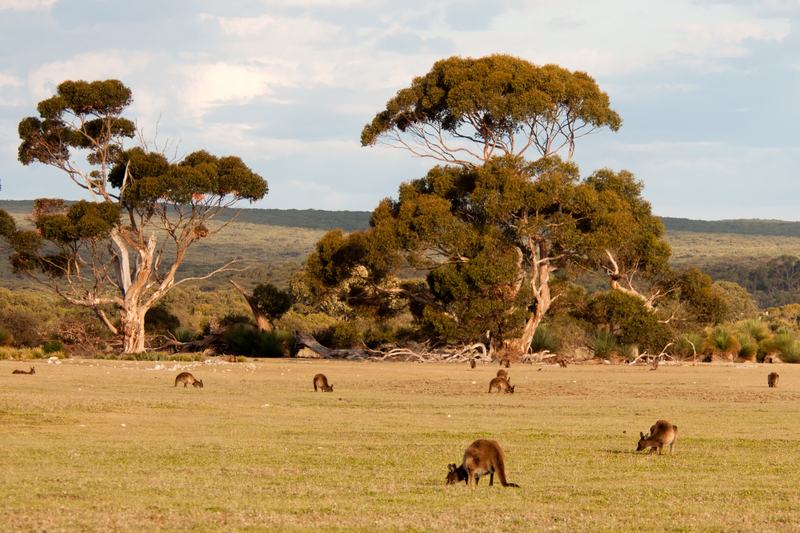
A group of kangaroos is called a mob, and it can range from a few animals to more than fifty. Mobs offer safety in numbers, with more eyes watching for danger. Membership is loose, and individuals often move between mobs depending on food and conditions.