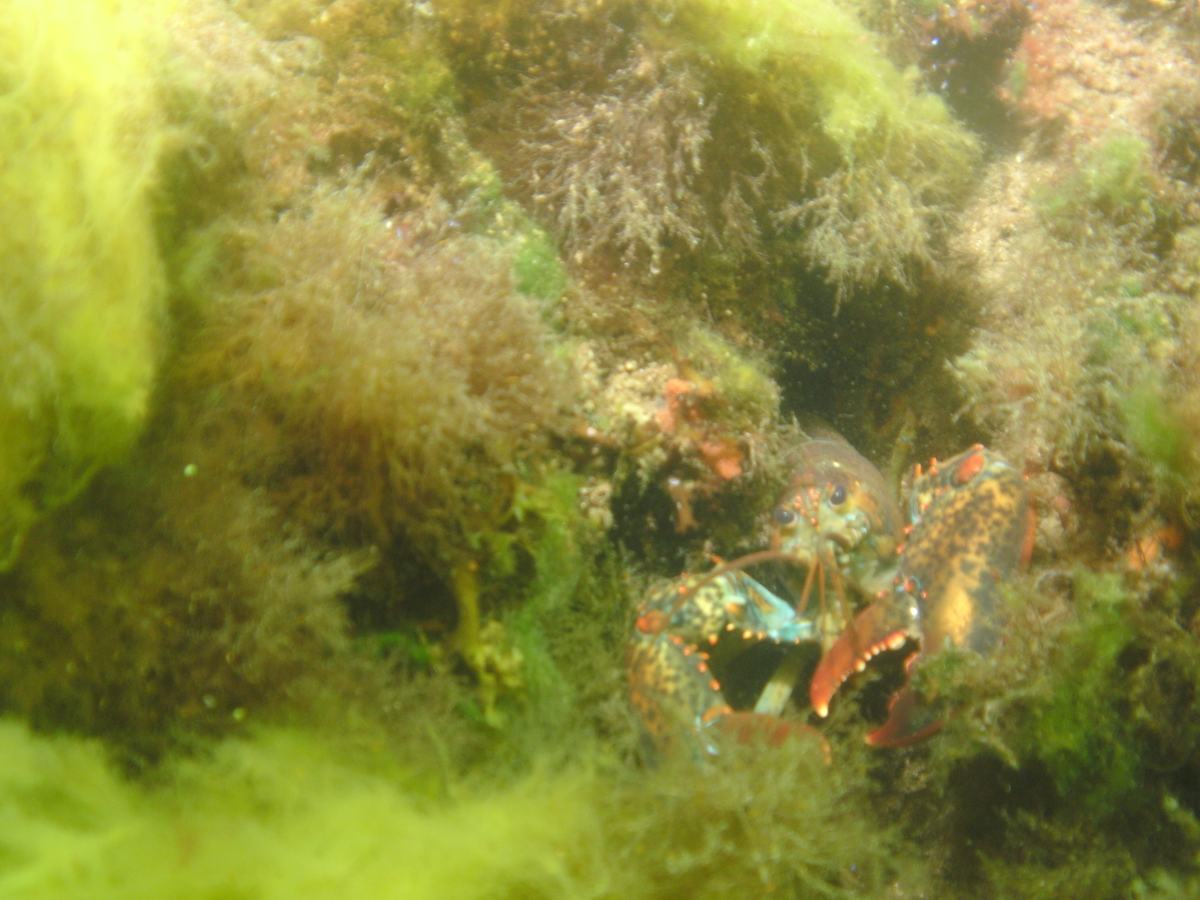
A lobster tastes its food with its feet, chews with its stomach, and bleeds blue. If you served one to a colonial New Englander, they might have been mildly insulted. Lobster was poor people's food back then, so common it washed up on beaches in heaps. It has come a long way since, though the animal itself stays far stranger than the butter and the bib let on.
Once a Food for Prisoners
In colonial New England, lobster was not a treat. It was so abundant that storms piled it up on the shore, and people fed it to servants, apprentices and prisoners rather than serve it as anything special [5]. Some servants are said to have grumbled about eating it too often. (There is even a tale of contracts limiting how many times a week they could be given it. Probably exaggerated, but you can see the mood.) It only became a delicacy much later.
They Taste With Their Legs
A lobster is covered in tiny sensory hairs, and a great many of them sit on its legs and feet [2]. So as it walks across the seabed, it is tasting and smelling everything it steps on. Its mouth, tucked away underneath, is almost the last part to get involved. When you next see a lobster picking its way along a tank floor, it is not just wandering about. It is reading the menu with its feet.
Teeth Inside the Stomach
Here is the part that surprises my Year 4 class every time: a lobster has no teeth in its mouth. It chews in its stomach instead. A structure called the gastric mill, fitted with three hard tooth-like plates, grinds the food up once it has been swallowed [2]. So the lobster swallows first and chews second, which is entirely the wrong way round by our standards. Nobody warned me about this.
Blood That Runs Blue
Lobster blood is clear while it moves inside the body, then turns a pale blue when it meets the air [2]. The reason is a molecule called haemocyanin, which carries oxygen the way our haemoglobin does - except it is built around copper rather than iron [2]. Iron makes our blood red. Copper makes theirs blue. Same job, different metal, and a rather fancier colour, frankly.
Two Very Different Claws
A lobster's two front claws do not match. One is a heavy crusher, blunt and powerful, for cracking shells open. The other is a slimmer ripper, edged like a steak knife, for tearing softer food [1]. And like us, a lobster is right- or left-handed: the crusher sits on whichever side the animal favours [1]. So there are right-clawed lobsters and left-clawed ones, a fact I find far more charming than I can properly justify.

They Never Stop Moulting
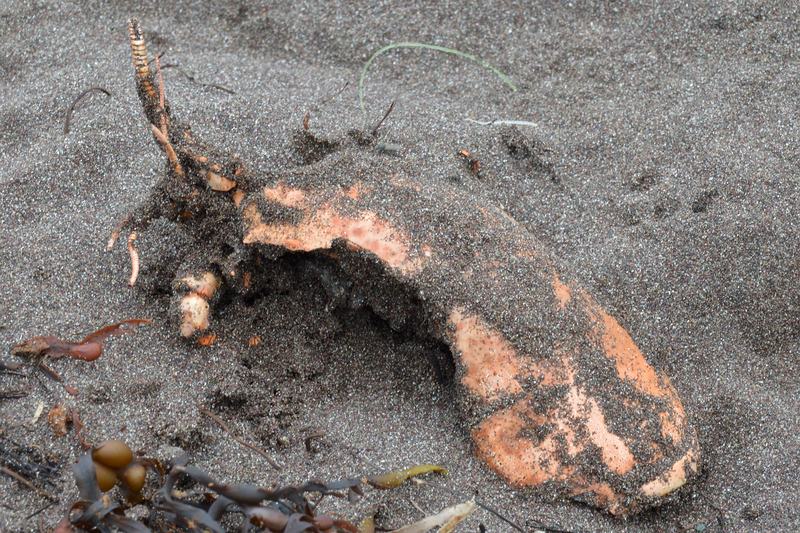
A lobster wears its skeleton on the outside, so to grow it must climb out of the old one entirely. This is moulting, and a young lobster does it again and again. The tiny drifting larvae moult four times before they even settle to the bottom [1]. Each time, the lobster is soft and defenceless for a while, so it hides until the new shell hardens a size up. They carry on growing this way for the whole of their lives.
A Life of a Hundred Years
Some lobsters may live to around 100 [1]. The awkward part is that nobody can easily prove it. Because a lobster sheds its shell over and over, there are no growth rings to count and no tidy record of the years [1]. Scientists have to estimate from size and condition. So the next old lobster you meet could be older than your great-grandmother, and there is simply no polite way to ask.
The Heaviest One on Record
The biggest lobster ever recorded was an American lobster caught off Nova Scotia in 1977. It weighed 20.14 kilograms, which is 44 pounds 6 ounces, and stretched over a metre from tail to claw tip [4]. That is roughly the weight of a large dog, with claws to match. It still holds the Guinness World Record for the heaviest marine crustacean [4]. I would not want to meet it in a rock pool.
Blue, Yellow and Rarer Still
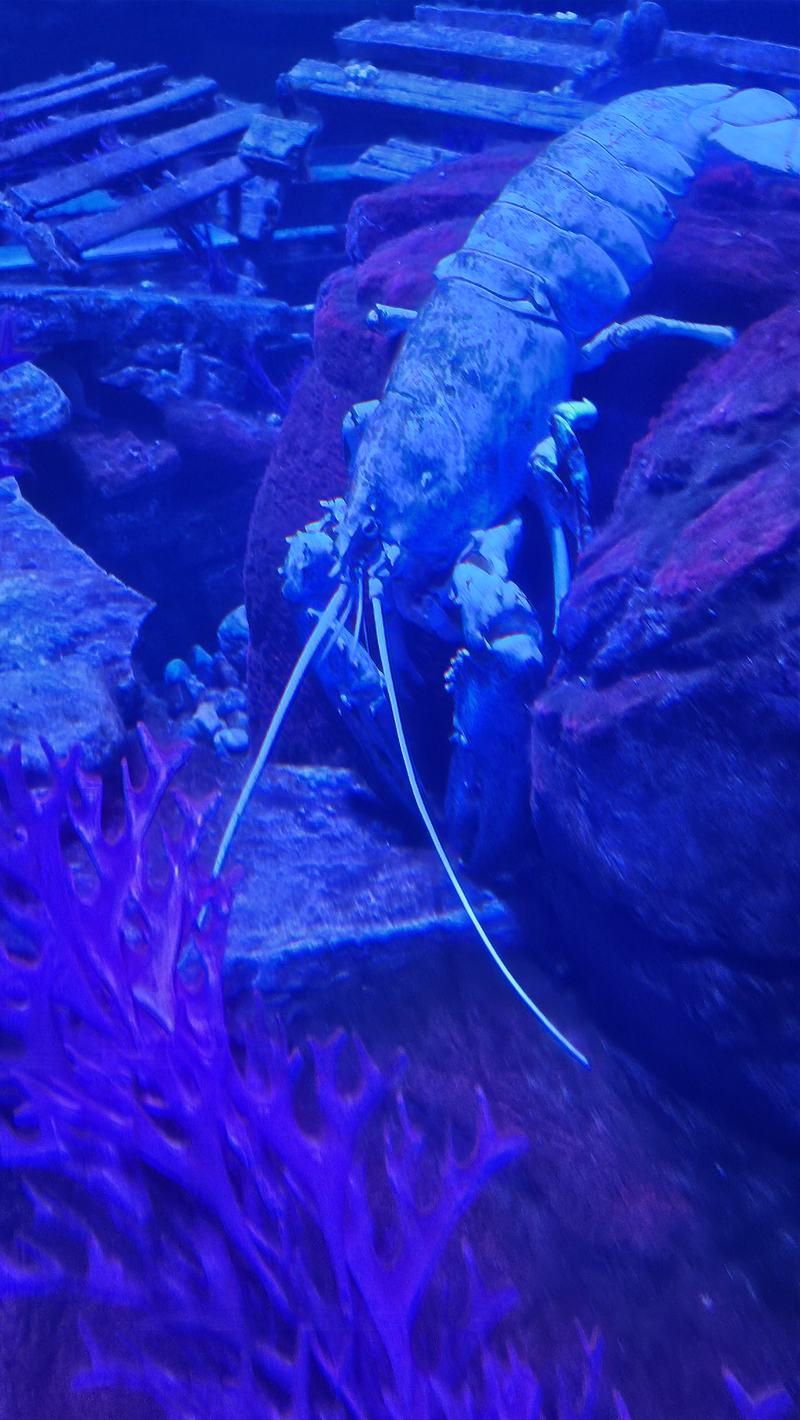
Most lobsters are a mottled greenish-brown, which hides them nicely on the seabed. Now and then a mutation produces something else. A blue lobster turns up about once in two million [3]. A yellow one is rarer, around one in 30 million, and a true albino, ghostly white, may be one in 100 million [3]. They taste no different from the rest. They are just walking lottery tickets, which is a lovely thing for a lobster to be.

Lost Claws Grow Back
Lose a claw in a fight and a lobster is not finished. Over its next few moults it grows a replacement, starting small and reaching full size across several shell changes [3]. Young lobsters manage this faster than old ones, having more moults ahead of them. It is a handy trick for an animal that settles most arguments with its hands, and one more reason the lobster keeps surprising people who thought they knew it from a plate.
Frequently Asked Questions
Do lobsters really have blue blood?
Yes. Lobster blood is colourless inside the body and turns pale blue when exposed to air. This happens because it carries oxygen using haemocyanin, a copper-based molecule, rather than the iron-based haemoglobin found in our own red blood.
How long do lobsters live?
Some lobsters are thought to live around 100 years. Their exact age is hard to confirm, because they shed their shell as they grow and leave no growth rings behind. Scientists can only estimate a lobster's age from its size and general condition.
How rare is a blue lobster?
A blue lobster occurs roughly once in two million. The colour comes from a genetic mutation affecting the pigments in the shell. Yellow lobsters are rarer still, at about one in 30 million, and albino lobsters may be around one in 100 million.
Why was lobster once considered poor people's food?
In colonial New England, lobster was so abundant it washed ashore in heaps and cost almost nothing. It was fed to servants, apprentices and prisoners rather than served as a treat. Only later, with rail travel and clever marketing, did it become a luxury.