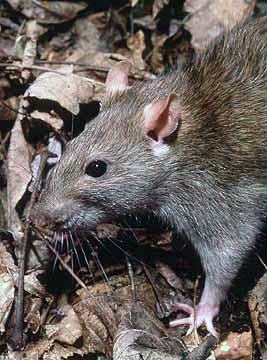
Ask my Year 4 class what they know about rats and you get roughly one idea: they live in sewers and they are up to no good. Both things are a little true. But rats are also ticklish, careful with their friends, and clever enough to be trained to sniff out landmines. They have followed us around the planet for thousands of years, mostly because we keep leaving snacks out. Here are a few things worth knowing about the neighbour nobody invited.
A Mischief, Not a Pack
Here is a collective noun that earns its keep. A group of rats is called a mischief. (Yes, really.) It is one of those old English words that sounds made up and is not. Rats do live in groups, usually family ones, and they are genuinely social. They groom each other, sleep in heaps, and can grow lonely on their own. So the word fits better than whoever coined it probably realised.

They Laugh When Tickled
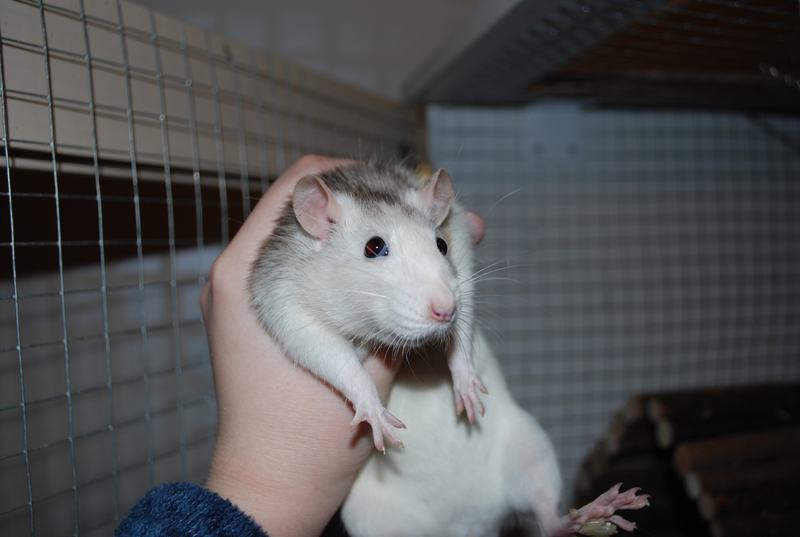
Rats laugh. Not out loud, and not in a way you would catch across a room. When rats play, and especially when a gentle human tickles them, they make rapid high-pitched chirps at around 50 kilohertz, far above what our ears can pick up. The neuroscientist Jaak Panksepp spent years recording these calls. The ticklish rats, as it turns out, were also the most playful ones, and they came back for more. My kids would love this.
Teeth That Never Stop
A rat's front teeth never stop growing. The incisors push out through its whole life, which is why a rat gnaws at almost everything: wood, wire, the occasional unlucky pipe. The gnawing files the teeth back down. Skip it, and the teeth would curve round and cause real trouble. The enamel on the front is tinted orange too, thanks to iron in it, which makes it tougher than our own.
The Norway Rat Is Not Norwegian
The common brown rat is often called the Norway rat. It is not from Norway. The name stuck from an old and wrong assumption about where it arrived from, when the species almost certainly spread out of eastern Asia. From there it hitched rides on ships and carts and followed people onto nearly every landmass except Antarctica. Which, fair enough, is a hard commute even for a rat.
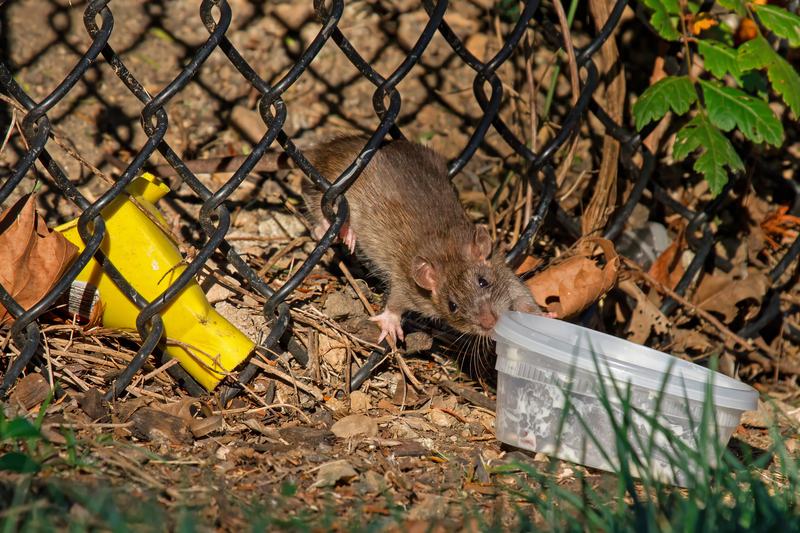
_also_called_Norway_Rat_or_Common_Rat_-with_food_container_-_Mathias_Baldwin_Park,_Philadelphia,_Pennsylvania,_USA.jpg)
Built to Squeeze Through Gaps
If a rat can fit its skull through a gap, the rest of it will follow. A brown rat can squeeze through a hole about the width of a large coin, roughly two centimetres, because its ribs are hinged in a way that lets the body flatten. This is the unhappy news for anyone with a shed. They also climb well, swim well, and can tread water for a surprisingly long time before giving up.
They Cannot Be Sick
Rats cannot vomit. The muscles and nerve wiring that let most mammals bring food back up simply are not there. This sounds like trivia until you realise it shapes how rats live. Because they cannot undo a bad meal, they are cautious eaters. A rat will nibble a tiny amount of something new and wait to see how it feels before committing. It is why rat poisons are built to work slowly, and why rats are so hard to catch out.
Rats That Free Their Friends
In one well-known experiment, a rat was left in a pen with a cagemate trapped in a small tube. The free rat worked out how to open the door and let the other one out, again and again. It bothered to do this even when there was no reward and no chance to play together afterwards. Offered chocolate at the same time, many rats freed their friend first, then shared the chocolate. Empathy is a strong word, but the behaviour is hard to explain without it.
Noses That Save Lives
Rats have a superb sense of smell, and people have put it to work. A Belgian organisation called APOPO trains African giant pouched rats, a larger cousin of the common rat, to detect landmines by scent and to sniff out tuberculosis in medical samples. The rats are too light to set off the mines, and they work fast. One trained rat can clear an area in minutes that would take a person with a metal detector the best part of a day.
Frequently Asked Questions
Are rats dangerous to humans?
Rats can carry diseases and contaminate food, so they are a genuine pest problem in homes and cities. But healthy wild rats usually avoid people and rarely bite unless cornered. Pet rats, bred over many generations, are gentle and pose almost no health risk to the people who keep them.
Do rats make good pets?
Yes, domesticated fancy rats are popular pets. They are clean, social, and clever, and they bond closely with the people who handle them. They need company, ideally another rat, plus space to climb and explore. Their main drawback is a short lifespan of about two to three years.
How intelligent are rats?
Rats are highly intelligent for their size. They learn mazes quickly, remember routes, solve simple puzzles, and show signs of empathy towards other rats. This is part of why they are so widely used in psychology and medical research, and why they adapt so easily to life alongside humans.
Why can rats not vomit?
Rats lack the muscular and neural pathways that other mammals use to vomit, so they physically cannot be sick. To compensate, they eat cautiously, sampling small amounts of new food first. It is also why slow-acting poisons are used against them, since they cannot expel what they have already eaten.