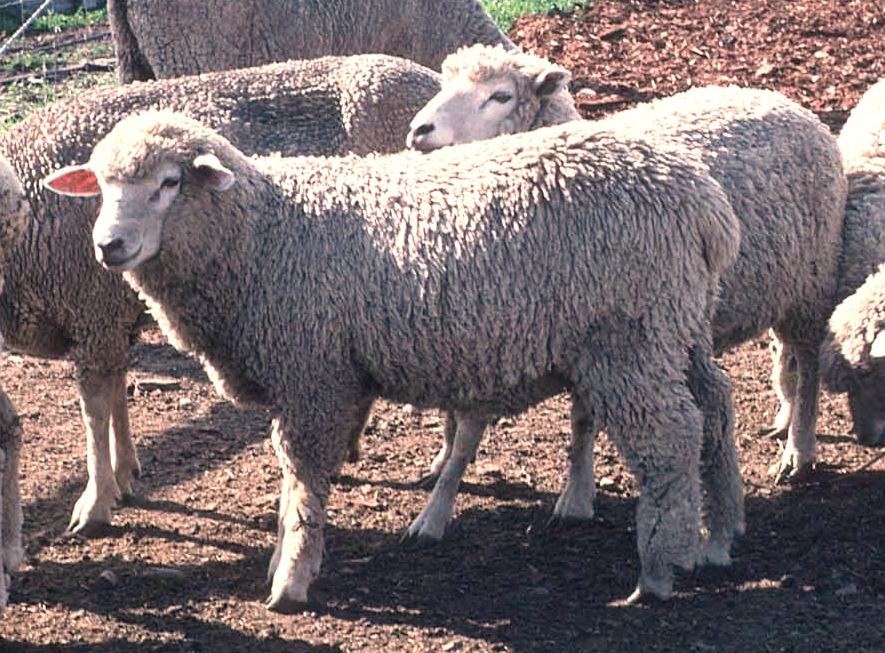
Sheep have rectangular pupils. Not slightly oval, not a squint, but properly rectangular, like little letterboxes set into the eye. It is the first thing I tell my Year 4 class about sheep, and someone always goes very quiet and then asks to see a photo. Once you have noticed it, you cannot unnotice it. And the strange pupil turns out to be the least of it.
Eyes Like Letterboxes
Those rectangular pupils are not just for show. They give a sheep a field of view of around 270 to 320 degrees, which means it can see almost all the way behind itself without turning its head. The horizontal slot keeps the ground and the horizon in focus at the same time while the animal grazes with its head down. What a sheep cannot do well is judge fine detail straight ahead, which is why it will lower and lift its head to look at you properly.
They Remember Your Face
Sheep are far better with faces than we give them credit for. In one Cambridge study, sheep learned to recognise around 50 individual sheep faces and still knew them two years later. Later work showed they can even pick out familiar human faces from photographs, including a few famous ones the researchers had trained them on. So the next time a sheep watches you cross a field, it may well be filing you away for future reference.
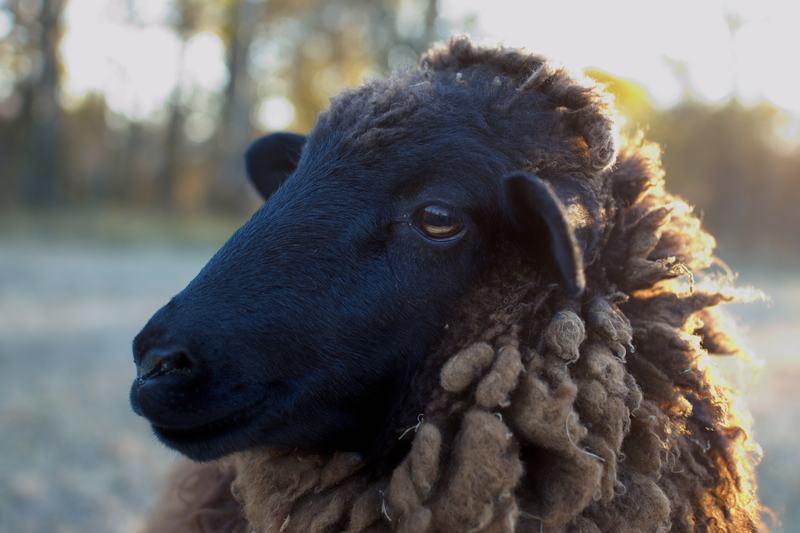

Wool That Never Knows When to Stop
Wild sheep moult. Most domestic sheep have had that instinct bred out of them, so their fleece simply keeps growing until a human turns up with the shears. The most famous reminder of this was Shrek, a Merino from New Zealand who dodged shearing for six years by hiding in caves. When he was finally caught in 2004, his fleece weighed about 27 kilograms, which is enough wool for roughly 20 large jumpers. (Yes, really.)
Best Friends in the Flock
A flock is not a single woolly blob. Sheep form close friendships, graze near particular companions, and become visibly stressed when they are separated from them. They also seem to read faces for emotion, and can tell a calm expression from an angry one. Show an anxious sheep a picture of a relaxed sheep face and it settles a little. As it turns out, the quiet ones in the field have quite a social life.
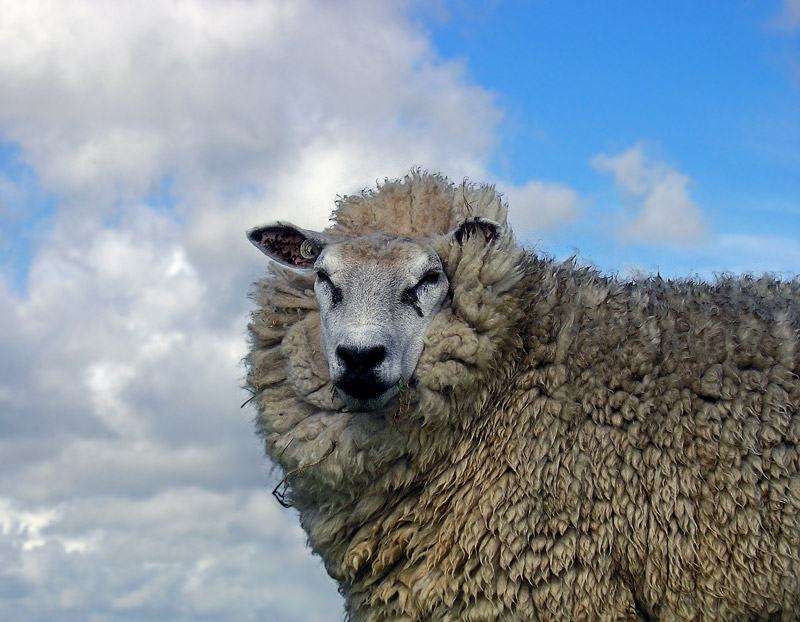

Among the First Animals We Kept
Sheep were one of the earliest animals humans domesticated, somewhere around 10,000 to 11,000 years ago in the hills of the Fertile Crescent, in what is now the Middle East. Early flocks were kept for meat, milk and skins long before anyone thought to spin their wool into cloth. That makes the sheep a quiet foundation stone of settled human life, plodding along beside us for very nearly the whole of farming history.
The Sheep That Made History
In 1996 a lamb called Dolly was born at the Roslin Institute near Edinburgh, and she changed biology. Dolly was the first mammal cloned from an adult body cell, grown from a single cell taken from another sheep's udder. She lived about six years and had lambs of her own the ordinary way. Of all the animals to become a scientific landmark, a sheep feels both unlikely and somehow entirely fitting.
Why They Follow the Leader
Sheep flock because, out in the open, sticking together is the safest option. A lone sheep is a nervous sheep. Pack them into a group and each animal is a little harder for a predator to single out. This instinct is so strong that a whole flock will follow the first sheep through a gate, across a stream, or into a pen, whether or not it was a sensible idea. It is less stupidity than very old arithmetic.
Frequently Asked Questions
Can sheep recognise people?
Yes. Studies show sheep can learn and remember individual human faces from photographs, and can tell familiar handlers from strangers. They also recognise up to about 50 other sheep by face and hold on to those memories for roughly two years.
Do sheep really never stop growing wool?
Most domestic breeds do not shed and need shearing at least once a year, or the fleece keeps growing. Wild sheep and a few primitive breeds still moult naturally. The record holder, a Merino called Shrek, grew about 27 kilograms of fleece after avoiding shearing for six years.
Are sheep intelligent?
More than their reputation suggests. Sheep remember faces and places, form friendships, respond to facial expressions, and can learn simple tasks. Their strong flocking behaviour is a survival strategy rather than a sign of stupidity.
How long have sheep been domesticated?
Around 10,000 to 11,000 years, making them one of the first livestock animals. Early flocks in the Fertile Crescent were kept mainly for meat, milk and hides, with wool becoming important only later.