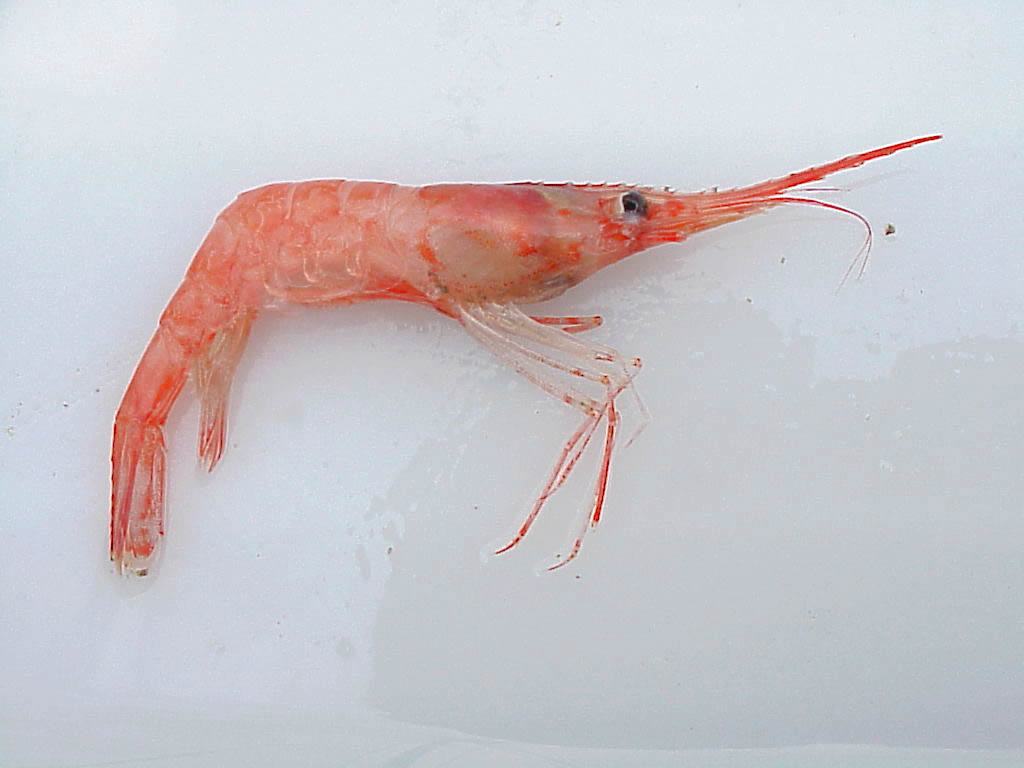
Somewhere on a coral reef, right now, a shrimp is firing a gun. Not a real one, obviously. But a pistol shrimp can snap its oversized claw shut so fast that it makes a bubble, and when that bubble collapses it briefly reaches a temperature close to the surface of the sun [1]. I did not believe this the first time I read it either. My Year 4 class did, immediately, because eight-year-olds have excellent instincts about which facts are worth keeping.
A Claw That Fires Bubbles
The pistol shrimp does not hit its prey. It shoots it. The claw snaps shut and pushes out a jet of water so quick that a bubble forms, then implodes with a crack loud enough to rank among the noisiest sounds in the sea [1]. The collapsing bubble even gives off a tiny flash of light, far too fast for us to see [1]. Small stunned fish never really work out what happened. Which, fair enough.
Shrimp Is Not One Neat Family
Here is the awkward bit. "Shrimp" is not a tidy scientific group so much as a general shape: small, long-bodied, ten-legged, lives in water. Mantis shrimp are not true shrimp at all, but stomatopods, a separate line that has been around for over 400 million years [2]. Krill are not shrimp either, despite looking the part. So when someone says "shrimp", they are describing a silhouette more than a family tree.

From Fingernail to Forearm
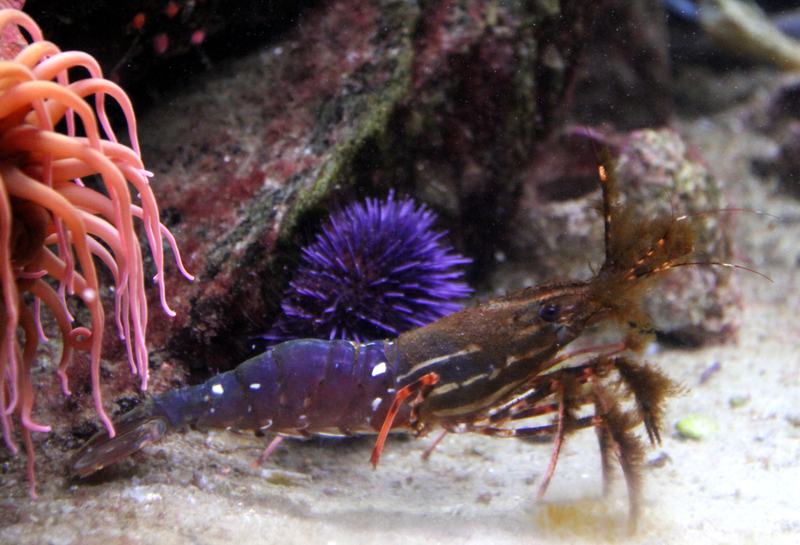
Shrimp come in a startling range of sizes. Many are barely longer than a fingernail, while the giant tiger prawn can reach around 30 centimetres, roughly the length of a school ruler [5]. Most of the ones we eat sit somewhere in the modest middle. The tiny species matter far more than their size suggests, feeding a huge share of the animals higher up the food chain. Small, and yet quietly holding the whole thing together.
The Heart Lives in the Head
A shrimp keeps its heart in what looks like its head. The organ sits in the cephalothorax, the fused head and chest section behind the eyes, rather than further back in the tail [5]. The stomach and much of the digestive kit share the same neighbourhood. So the part of a prawn most people peel away and discard is, roughly, where all the important machinery lived. Nobody warned me about this at the fishmonger.
Many Start Male, Then Turn Female
Plenty of shrimp do not stay one sex. Species such as the northern pink shrimp begin life as males, then switch to female as they grow older and larger [3]. Biologists call this protandry, and it is common enough among shrimp to be almost unremarkable to the animals themselves. It does mean that a large female was, at one point, a smaller male. Same shrimp. Different chapter.
Some Are Both at Once
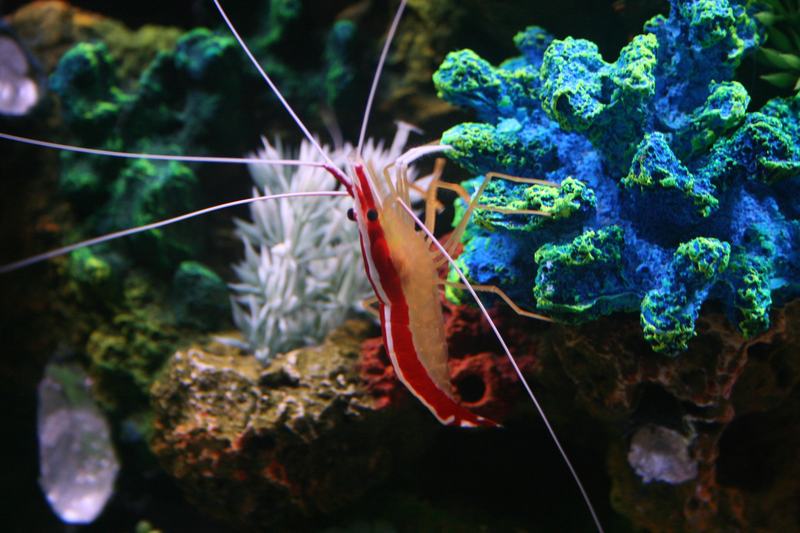
Cleaner shrimp in the genus Lysmata take it further. They become simultaneous hermaphrodites, functioning as both male and female at the same time, which is unusual among crustaceans [3]. Two of them can meet and each fertilise the other, so nobody has to be strictly the male or the female for the evening. It is an efficient arrangement for an animal that does not always bump into many neighbours.

Cleaning Stations With a Queue
Some shrimp run what is effectively a valet service. Cleaner shrimp set up at a fixed spot on the reef and fish queue up to have dead skin and parasites picked off, sometimes letting the shrimp step right inside their mouths [4]. The fish get tidied. The shrimp get fed. Neither eats the other, which for a small shrimp standing near a large mouth is a genuinely good outcome.
They Swim Backwards to Escape
When startled, a shrimp does not flee forwards. It flicks its tail hard beneath its body and shoots backwards, away from whatever alarmed it [5]. It is a fast, flat-out escape rather than a graceful exit. Anyone who has tried to catch one in a rock pool will recognise the manoeuvre, and the mild indignity of watching your target reverse neatly out of reach.
Grey in the Sea, Pink on the Plate
Most shrimp are a dull, translucent grey while alive, not pink. The pink arrives with cooking. A pigment called astaxanthin is locked to proteins in the shell, and heat breaks that bond and lets the colour show [5]. Flamingos borrow the same pigment from their food to turn pink. So a cooked prawn and a flamingo are, in one small chemical sense, wearing exactly the same colour.
Frequently Asked Questions
Are prawns and shrimp the same thing?
Not scientifically. "Prawn" and "shrimp" are used differently around the world, often loosely by size, but they do not mark a clean biological divide. In Britain "prawn" tends to mean the larger ones, while much of North America calls nearly all of them shrimp regardless of size.
Do shrimp really have their hearts in their heads?
Effectively, yes. A shrimp's heart sits in the cephalothorax, the fused head and chest region just behind the eyes, rather than in the tail. Much of the digestive system sits there too, which is one reason the tail is mostly muscle.
How loud is a pistol shrimp?
Extremely. The snap of a pistol shrimp's claw ranks among the loudest sounds in the ocean, rivalling far larger animals. The noise comes from a collapsing bubble created when the claw shuts at speed, not from the claw striking anything directly.
Why do shrimp turn pink when cooked?
Because of a pigment called astaxanthin bound to proteins in the shell. Heat breaks that bond and releases the reddish-pink colour that was hidden while the shrimp was alive. The same pigment, eaten in their food, is what turns flamingos pink.
Sources
- How Snapping Shrimp Snap: Through Cavitating Bubbles - Science
- Mantis shrimp, facts and information - National Geographic
- Hermaphroditism and Sex Change in Shrimps - University of Louisiana at Lafayette
- Cleaner Shrimp Engage in True Symbiotic Cleaning Interactions - Royal Society Open Science
- Shrimp - Encyclopaedia Britannica