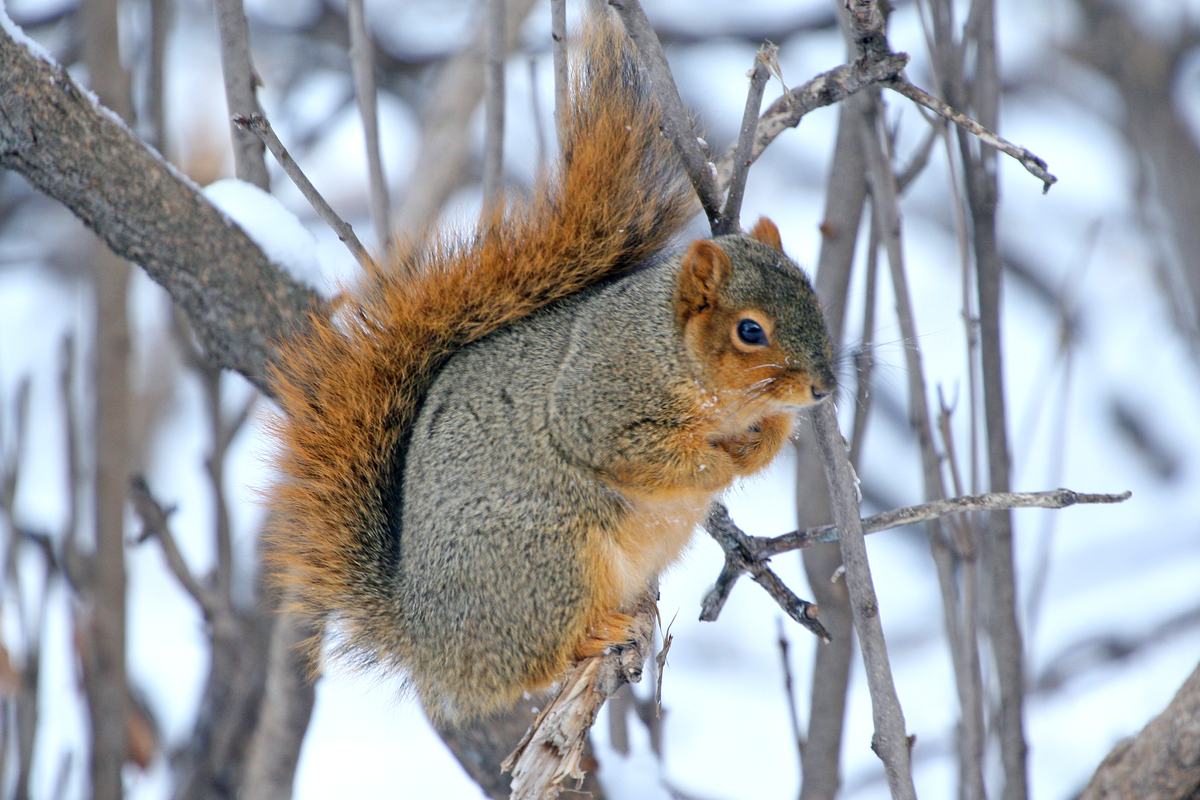
Ask my Year 4 class what a squirrel does all day, and the answer is always "eats nuts". Which, fair enough. But the same small animal in your local park runs down tree trunks headfirst, stages fake burials to con its neighbours, and quietly plants more trees than most gardeners. There is a lot going on behind that twitching tail.
Not One Animal But Hundreds
When we say "squirrel" we usually mean the bushy-tailed sort in the park. The family is far bigger than that. There are around 280 species of squirrel worldwide, and they come in three broad groups: tree squirrels, ground squirrels, and flying squirrels. The family also folds in chipmunks, marmots, and prairie dogs, which surprises people. They live on every continent except Antarctica and Australia. Somehow one tidy word covers all of them.
Teeth That Never Stop Growing
A squirrel's four front teeth never stop growing. The incisors keep pushing out for the animal's whole life, by roughly 15 centimetres a year, which would be a problem if it did nothing about them. Constant gnawing on nuts, bark, and the occasional wooden fence wears them back down to a working length. So a squirrel chewing your bird feeder is not being spiteful. It is, in a manner of speaking, filing its teeth.

The Fake Burial Trick
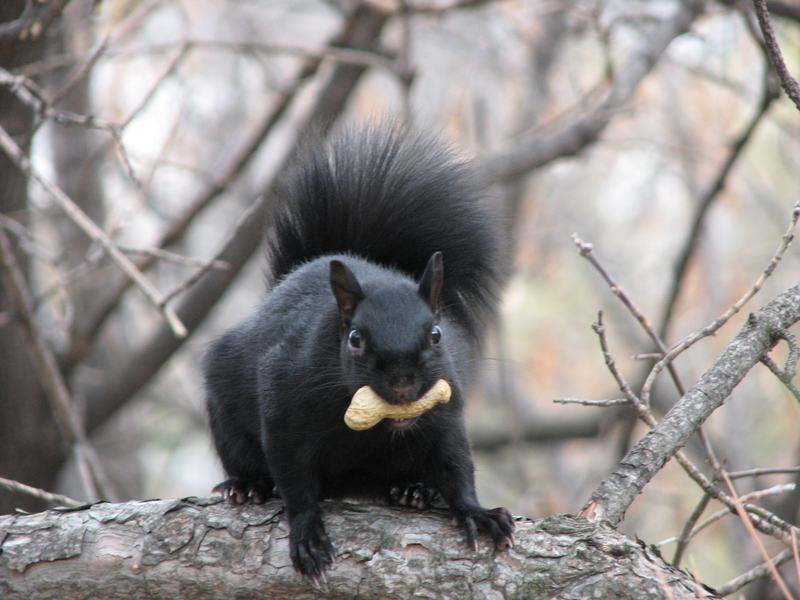
Squirrels bury food for winter, one nut at a time, in hundreds of little hidden stores. This is called scatter-hoarding. Here is the clever part. When a squirrel senses it is being watched by a would-be thief, it will sometimes dig a hole, pretend to drop a nut in, and cover it back up while keeping the real prize tucked in its cheek. Researchers have recorded this deception properly. It is the animal kingdom's version of a decoy safe.
Accidental Forest Planters
A squirrel does not remember every store it makes. Some studies suggest they lose track of a fair share of their buried nuts, and each forgotten acorn or seed sits in the soil, ready to sprout. Over a lifetime one squirrel can plant a genuine scattering of trees without meaning to. Oak woodlands in particular owe a real debt to these forgetful little gardeners. My kids love that the "silliest" habit turns out to grow forests.
Ankles That Spin Right Round
Watch a squirrel come down a tree and you will notice it goes headfirst, which most climbing animals cannot manage. The trick is in the ankles. A squirrel can rotate its back feet almost 180 degrees, turning them to face backwards so the claws grip the bark on the way down. Nothing about the descent worries them. I have watched one saunter down a beech in Bristol as if walking down stairs.

The Tail Does Everything
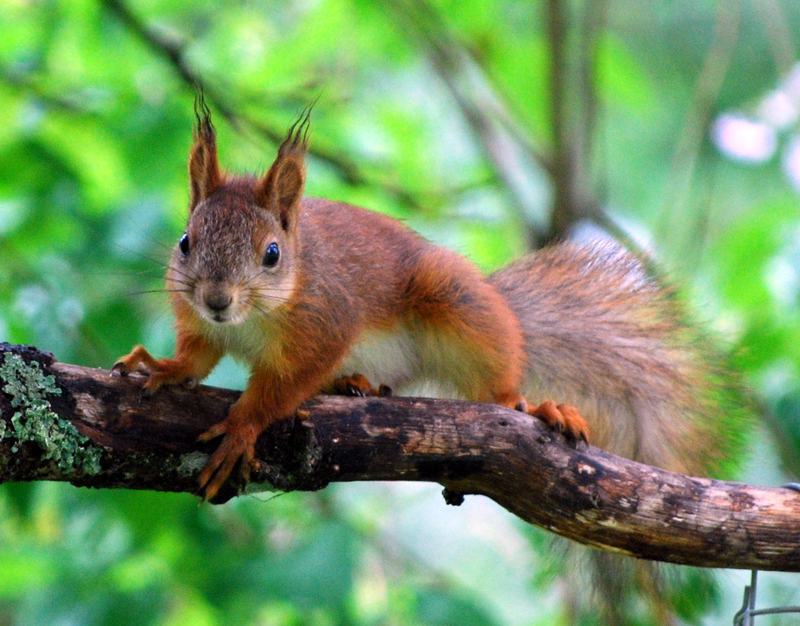
That famous tail is not just for show. It works as a balancing pole along branches, a parachute to slow a fall, a blanket wrapped round the body on cold nights, and a sunshade in summer. It is also a semaphore. A squirrel flicks and waves its tail to warn others of danger or to tell a rival to clear off. For an animal that rarely stays still, the tail is doing most of the talking.
Flying Squirrels Do Not Fly
The name oversells it a little. Flying squirrels do not flap or truly fly. They glide, using a stretchy flap of skin that runs from wrist to ankle on each side. Stretched taut, it turns the animal into a small furry kite, and a good glide can carry it many metres between trees. They steer with their limbs and brake with that tail. All of it happens at night, which is why so few people ever see it.
A Name That Means Shadow-Tail
The word "squirrel" has a lovely origin. It comes from the ancient Greek "skiouros", built from "skia" meaning shadow and "oura" meaning tail. So the name roughly translates as "the one that sits in the shadow of its own tail". Anyone who has watched a squirrel curl that tail up over its back in bright sun will know it is a fair description. The Greeks, as it turns out, were paying attention.
Frequently Asked Questions
How many types of squirrel are there?
There are around 280 species of squirrel in the world. They fall into three main groups: tree squirrels, ground squirrels, and flying squirrels. The wider family also includes chipmunks, marmots, and prairie dogs, and squirrels live on every continent apart from Antarctica and Australia.
Do squirrels really forget where they bury nuts?
Yes, at least some of the time. Squirrels scatter-hoard, hiding food in hundreds of separate spots, and they do lose track of a portion of these stores. Those forgotten nuts and acorns often germinate, which is how squirrels end up planting trees and helping woodlands spread.
Why can squirrels climb down trees headfirst?
Squirrels can rotate their hind ankles by almost 180 degrees, turning the back feet to point backwards. This lets the claws grip the bark securely as the animal descends, so it can come down a trunk headfirst. Most other climbing mammals cannot rotate their ankles this way.
Can flying squirrels actually fly?
No. Flying squirrels glide rather than fly. A flap of skin between their wrists and ankles stretches out to form a gliding surface, letting them travel many metres from tree to tree. They cannot flap or gain height, and they steer with their limbs and tail while gliding at night.