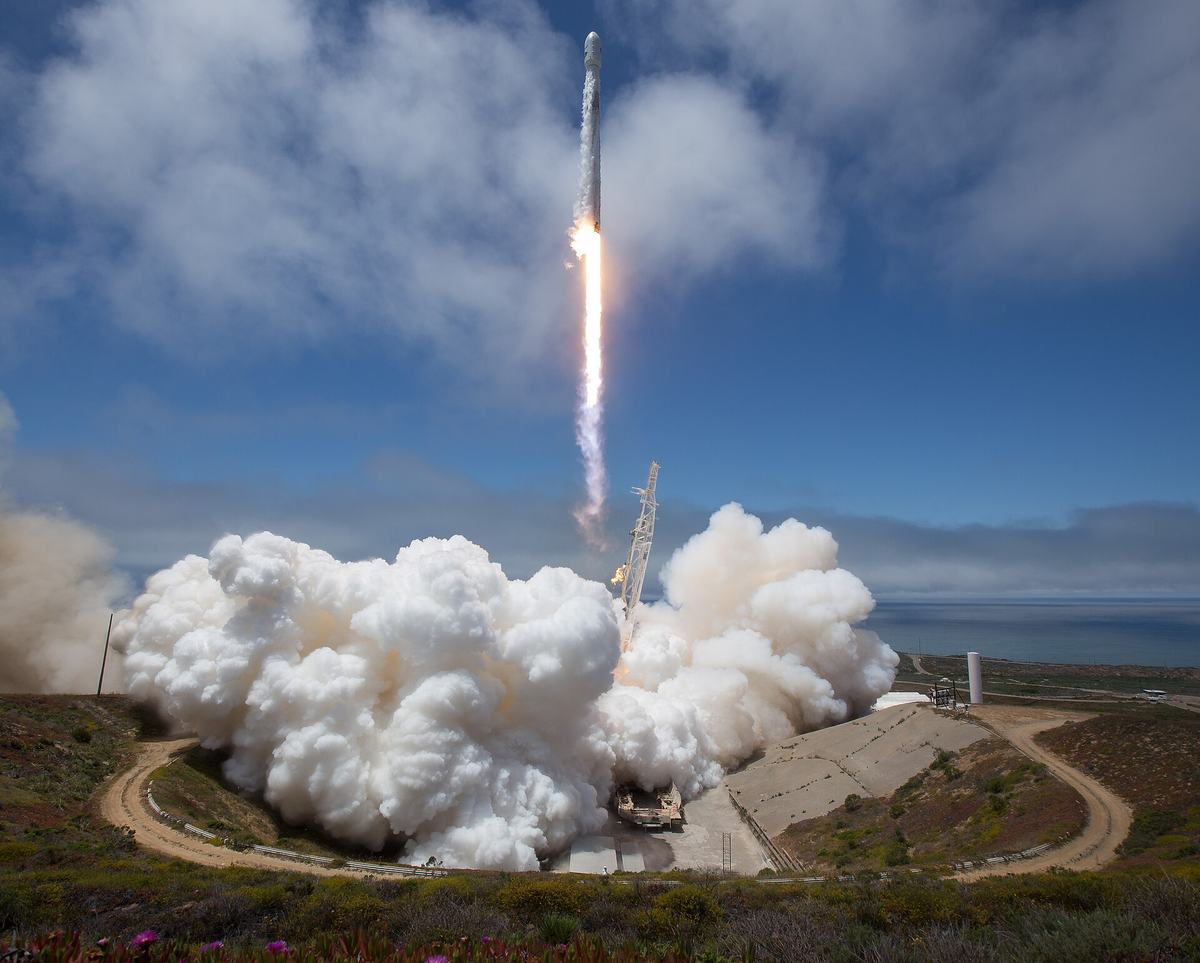
Falcon 9 has flown 660 successful missions, more than any other active launch vehicle. Its record over more than a decade and a half of flying includes just 2 failures in flight, 1 partial failure, and 1 rocket destroyed before it ever left the pad.
SpaceX's workhorse rocket debuted on June 4, 2010, and then flew SpaceX's first Commercial Resupply mission to the ISS on October 8, 2012. In the years since, Falcon 9 has become the closest thing spaceflight has to a scheduled bus service — a role built almost entirely on one trick most rockets never learn: landing itself.
This guide looks at how that trick was won, what it changed about the cost of getting to orbit, and how a rocket line that started with a fiery engine failure ended up ferrying astronauts to the International Space Station.
A Rocket Built to Come Home
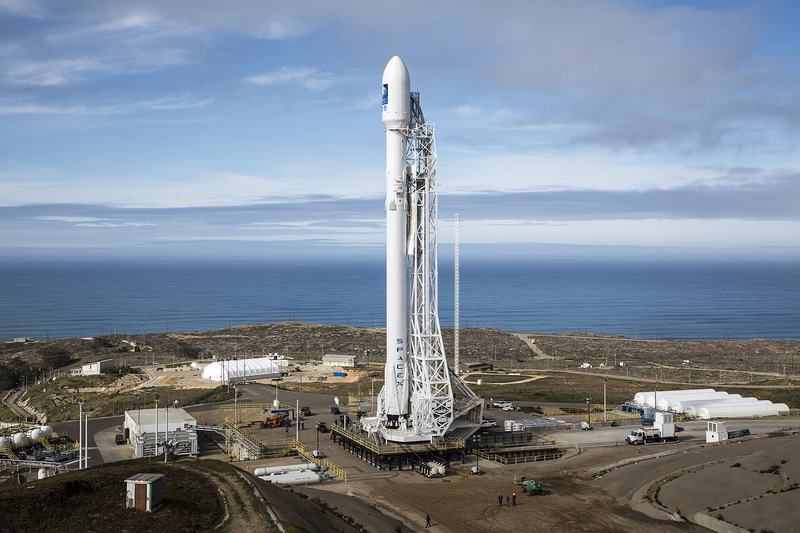

Falcon 9's first stage is designed to land vertically and fly again, something SpaceX first pulled off on the booster's 20th flight, in December 2015. That single touchdown reset what a rocket booster's job could be: instead of burning up on reentry or sinking into the ocean, the biggest and most expensive part of the vehicle could be flown, caught, and launched again.
The return trip starts almost immediately. Once Falcon 9 lifts off from Cape Canaveral and sends its payload on its way, the spent first stage flips around and starts heading back toward the landing zone roughly 4.5 minutes after liftoff — long before the upper stage has even finished carrying its cargo the rest of the way to orbit.
The Landing That Took Five Tries
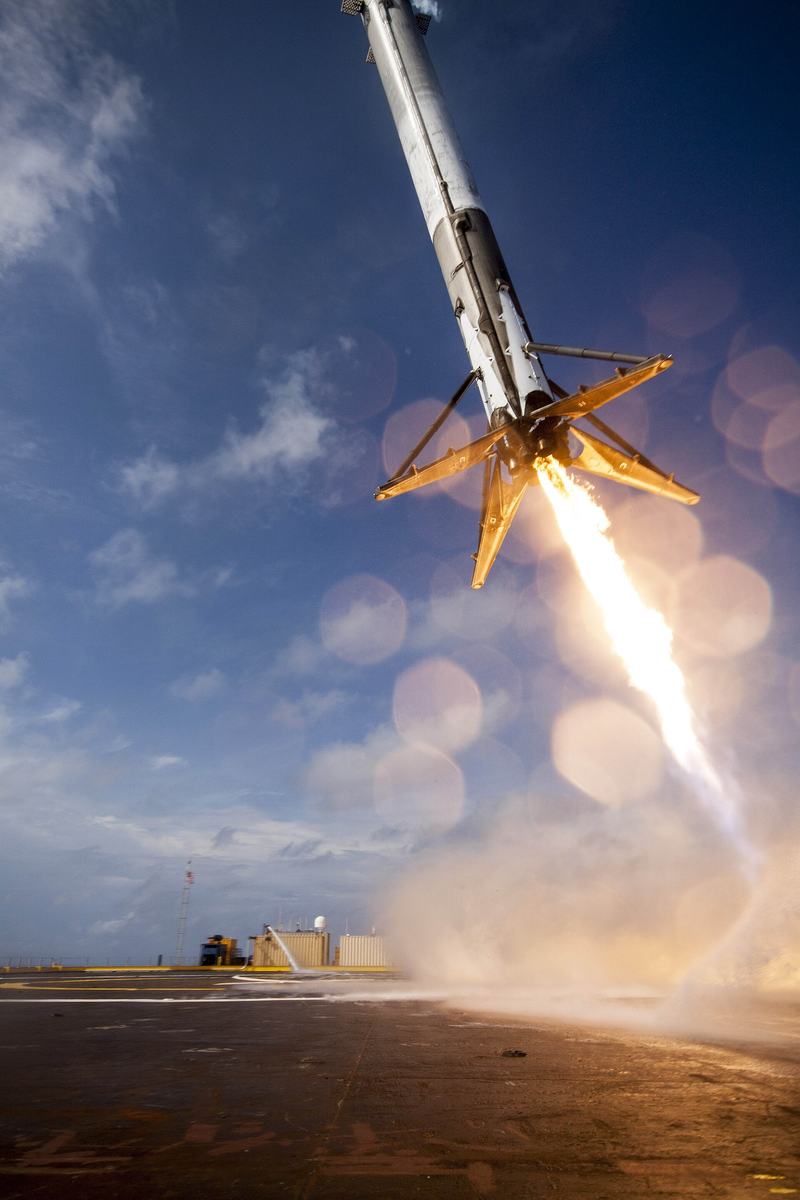

Landing on solid ground was hard enough. Landing on a ship bobbing in the open ocean was another problem entirely, and SpaceX needed several attempts to solve it. That milestone came during Flight 23, the CRS-8 cargo run — the first time a Falcon 9 booster stuck a landing on an autonomous drone ship at sea.
That touchdown was actually SpaceX's 5th attempt to bring a booster down on a ship — a much harder trick than sticking a landing on solid ground, since the ocean itself never holds still. Elon Musk admitted that going into that flight, his own team privately rated the odds of success at only 2:1, which says something about how far from routine the maneuver still felt at the time.
Flying the Same Booster Twice
Landing a booster only pays off if you can fly it again. The next milestone, flight 32's SES-10 mission, saw booster B1021 become the first orbital-class core ever to fly twice — and SpaceX recovered a payload fairing for the first time on that same flight, closing the loop on reusing nearly the whole rocket.
That first re-flight took place in March 2017, and a second reused booster followed it into space in June 2017, just 5 months after that particular core's original launch. The turnaround time mattered almost as much as the landing itself: a booster that takes years to refly barely dents launch costs, but one that can go again within months starts to look like a real fleet.
From One-Off Feat to Assembly-Line Routine
What started as a headline-grabbing experiment eventually became background noise. By 2023, the pace had turned almost routine: SpaceX launched Falcon 9 91 times that year, needed a brand-new booster for only 4 of those flights, and brought every single booster home afterward.
Individual cores also proved they could keep flying far longer than early reuse skeptics expected. By May 2021, one core in particular, B1051, had become the first Falcon 9 booster to reach 10 flights — a number that would have sounded implausible back when landing a booster even once still felt like a coin flip.
Records Set Along the Way
Reusability didn't just cut costs — it let SpaceX pack more into a single launch. On January 24, 2021, a single Falcon 9 flight set a new record by carrying 143 satellites into orbit at once, more than any single rocket had carried before.
The economics behind the reuse push were spelled out well before SpaceX ever landed a booster. A 2011 NASA report calculated that building a Falcon 9-class rocket through the agency's traditional contracting method would have cost roughly $4 billion, versus about $1.7 billion under the more commercial approach SpaceX actually used.
The Engines That Learned From Failure
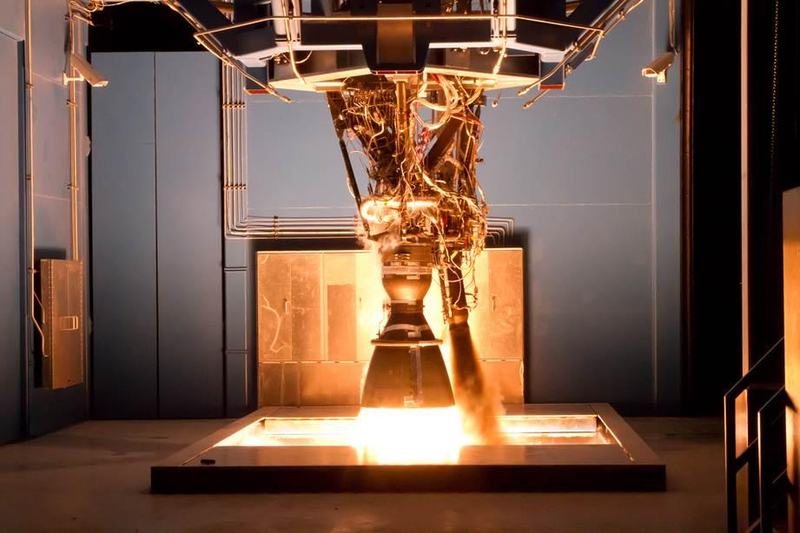

None of this reliability was inevitable. SpaceX's original Merlin 1A engine only ever flew twice. Its debut on March 24, 2006 ended when a fuel leak sparked a fire shortly after launch; a second attempt on March 21, 2007 finally worked, setting the stage for the Merlin engine family that now powers every Falcon 9.
The engine's turbopump hints at how much engineering sits underneath a routine-looking launch. Its partial-admission turbine — a design where the working fluid only strikes part of the wheel's circumference rather than the whole ring — spun at up to 20,000 rpm despite weighing just 68 kg, packing serious power into a small, light part.
Falcon 9's Human Cargo
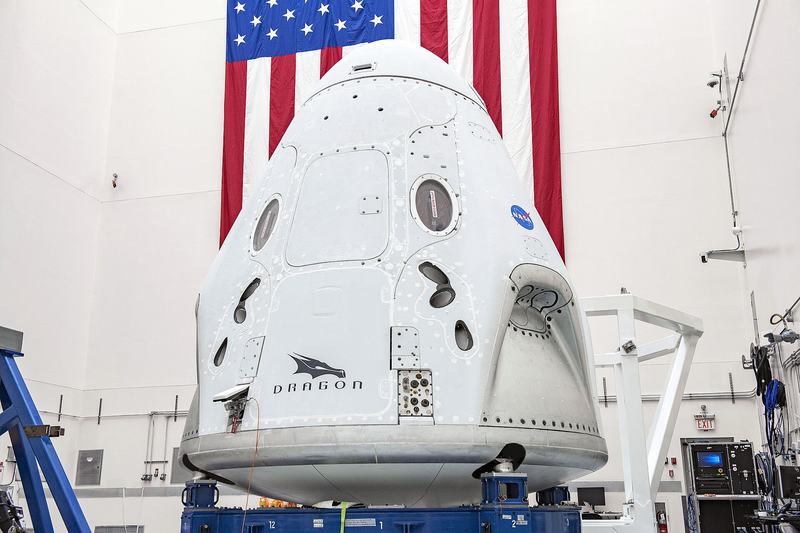

Falcon 9 doesn't just launch satellites and cargo. Demo-2, the mission that first put astronauts aboard the rocket's Dragon 2 capsule, lifted off on May 30, 2020, after repeated delays, opening a new chapter for the vehicle beyond satellites and station resupply runs.
Dragon 2 held a unique title as of January 2025: the only orbital cargo spacecraft in service anywhere that gets reused between flights. Fueling it for launch also breaks with how NASA used to do things — older vehicles like the Saturn V and Space Shuttle had their propellants loaded hours before launch, well before crews climbed aboard, while Falcon 9 waits until right before liftoff to fuel up, keeping its liquid oxygen supercooled near −340°F and its kerosene chilled near 20°F.