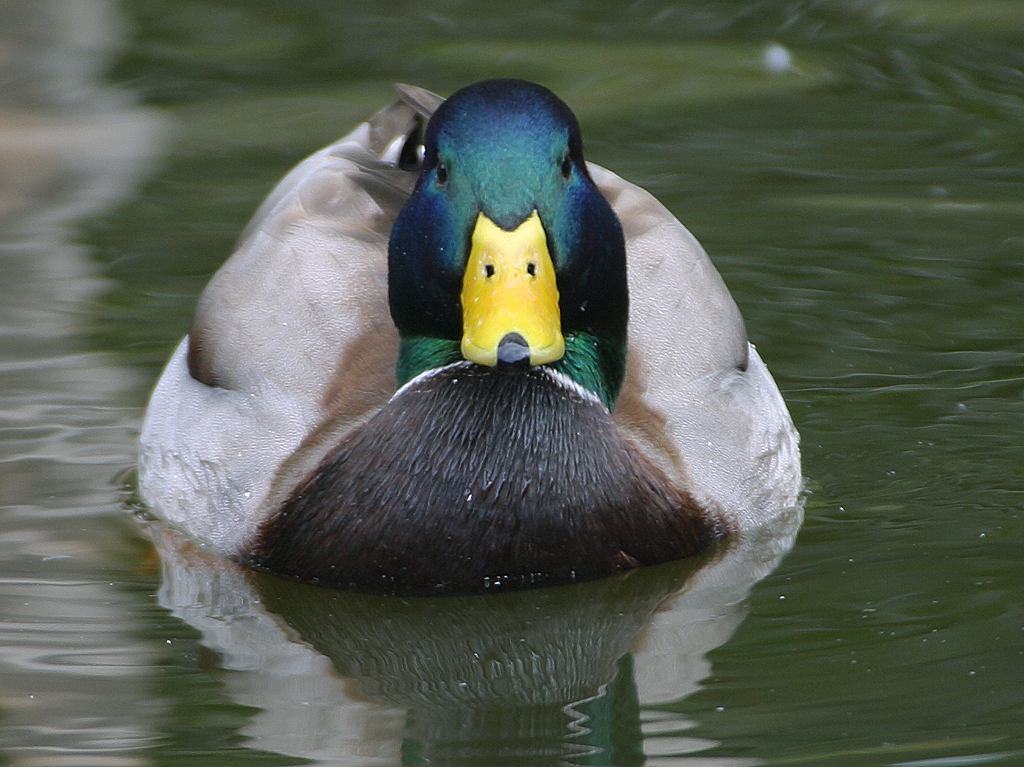
Ask my Year 4 class to describe a duck and you get the essentials at once: yellow beak, waddle, quack. What they miss is the engineering. A duck is one of the best waterproofed animals on the planet, built to sit on freezing water for hours and think nothing of it. Once you know how the coat and the feet work, the humble pond duck starts to look rather clever.
Feathers That Shrug Off Water
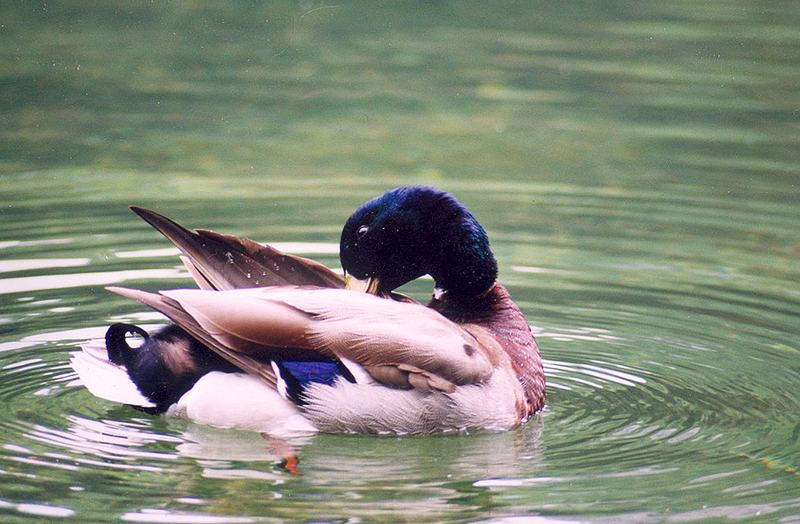
A duck does not stay dry by luck. Tucked near the base of its tail sits the preen gland, which makes a light oil. When a duck preens, it spreads that oil across every feather, and the feathers themselves are shaped to lock together like tiny zips. Water hits the surface, beads up and rolls straight off. Underneath, a layer of soft down traps warm air against the skin. So the duck stays dry and cosy while sitting in cold water.
Feet That Never Feel the Cold
Here is the part that sounds made up. A duck can stand on ice all day and not feel it. Its feet have very few nerves and almost no soft tissue to freeze, so there is little there to hurt. Better still, the blood vessels running in and coming back out sit close together, so warm blood heading to the feet hands its heat to the cold blood returning. The feet stay just above freezing, and the duck keeps nearly all its warmth. (Nobody warned me about this.)

Sleeping With One Eye Open
Ducks can sleep with one half of the brain at a time. Researchers once lined four ducks up in a row and watched them nap. The two in the middle, safe on all sides, shut both eyes. The two on the ends each kept the outer eye open, watching for trouble, while that side of the brain stayed awake. It is called unihemispheric sleep, and it lets a duck rest and stand guard at the same time. Half asleep, quite literally.
The Drake Wears the Colours
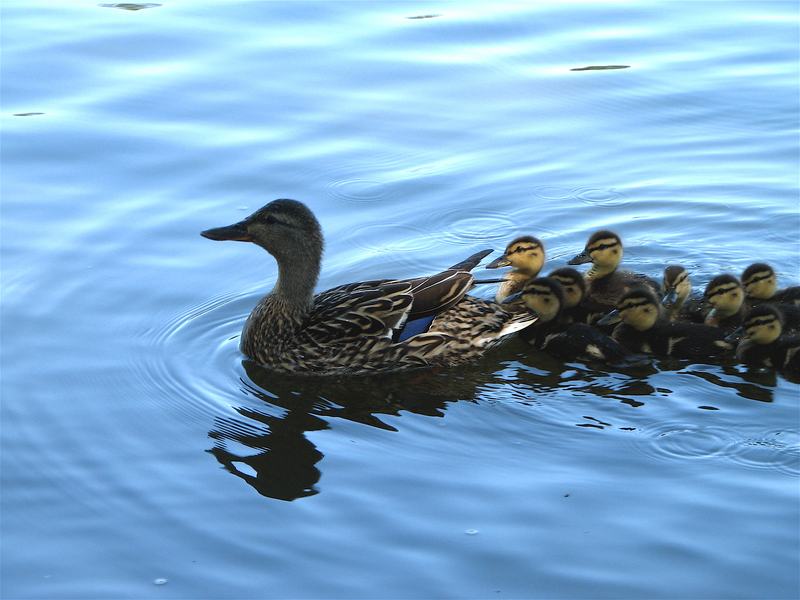
On a mallard, the flashy one is the male. The drake has that glossy bottle-green head, a white collar and a smart grey body. The female is mottled brown from top to tail, which looks dull until you remember she is the one sitting on a nest. Plain brown is superb camouflage among the reeds. So the male shows off to win her over, and the female stays hidden to keep the eggs safe. (Yes, really.)
Nearly Every Farm Duck Is a Mallard
Wander round a farm and most of the ducks you meet, from the big white ones to the little call ducks, trace back to a single wild species: the mallard. People have bred them for centuries into all sorts of shapes and sizes, much as we did with dogs. The one common exception is the Muscovy duck, which comes from a different bird altogether. So the odd duck out on the farm is, fittingly, the Muscovy.

Following the First Thing They See
Ducklings come out of the egg ready to walk, and almost at once they latch on to the first moving thing they see, usually their mother. This is called imprinting. In 1935 the scientist Konrad Lorenz hatched some mallard ducklings, made himself the first thing they clapped eyes on, and they trailed after him like a tiny devoted crowd. The window is short, roughly the first day, and then it shuts. After that, mum is mum for good.
The Quack That Supposedly Never Echoes
You may have heard that a duck's quack does not echo. It is a lovely idea and completely untrue. Sound scientists have tested it, quack and all, and the echo is there, just soft and hard to pick out against the trailing quack itself. It is also worth saying that it is mostly the female mallard doing the loud quacking. The male's call is quieter and raspier. So the classic duck sound is, more often than not, a hen.
Eyes That See Almost All the Way Round
A duck's eyes sit on the sides of its head, which gives it a field of view close to all the way round. It can spot a fox creeping up from behind without turning its head, handy when you spend your day nose-down in a pond. Ducks can also see ultraviolet light, a range we cannot, which likely helps them judge food and one another. Wide-eyed and watchful, then, even while dabbling.
Frequently Asked Questions
Why Do Ducks' Feet Not Freeze on Ice?
Their feet have very few nerves and little soft tissue, so there is little that cold can damage. The blood vessels also run close together, passing heat from the outgoing warm blood to the returning cold blood. This keeps the feet just above freezing while saving the body's warmth.
Do Ducks Sleep With One Eye Open?
Yes. Ducks can rest one half of the brain while the other stays alert, a pattern called unihemispheric sleep. Birds on the edge of a group tend to keep the outer eye open to watch for predators, while those in the safe middle usually sleep with both eyes shut.
Are All Farm Ducks Descended From Mallards?
Almost. Most domestic duck breeds, from large white ducks to tiny call ducks, were bred from the wild mallard over many centuries. The main exception is the Muscovy duck, which descends from a separate South American species and is not a mallard at all.
Does a Duck's Quack Really Not Echo?
No, that is a myth. A quack echoes like any other sound. The echo is simply quiet and easy to miss, because it blends into the fading tail of the quack itself. Tests with recording equipment have shown the reflection is clearly there.