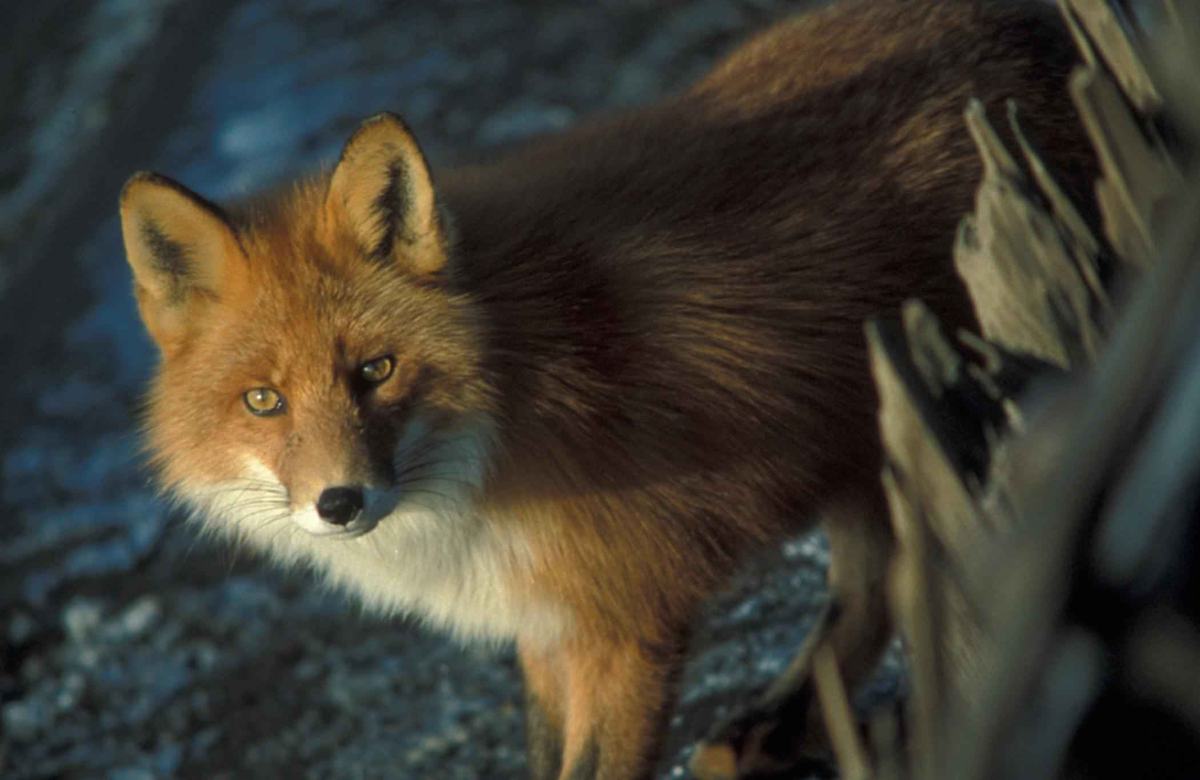
Ask my Year 4 class what a fox is and someone will say a dog, someone else a cat, and a third child will insist it is 'a bit of both, Miss'. That last one is closer to the truth than they know. Foxes are proper members of the dog family who have quietly picked up a stack of very cat like habits. The result is one of the cleverest, most adaptable animals sharing our streets and fields.
Dogs That Act Like Cats
Foxes belong to the dog family, Canidae, alongside wolves and your neighbour's spaniel. Then they go and behave like cats. They hunt alone rather than in packs, they stalk and pounce on their prey, and they have vertical slit pupils that narrow in bright light, just like a cat's. Some even climb and sleep in trees. My Year 4 class call this cheating. I call it a fox keeping its options open.
A Family of Around a Dozen
When most people say 'fox' they mean the red fox, but there are around twelve true fox species in the genus Vulpes. The red fox is the widest ranging wild carnivore on Earth, living across most of the Northern Hemisphere and, after people took it there, Australia too. From Arctic tundra to hot desert, if there is food going, a fox has usually found a way to live nearby.
The Fennec and Its Enormous Ears
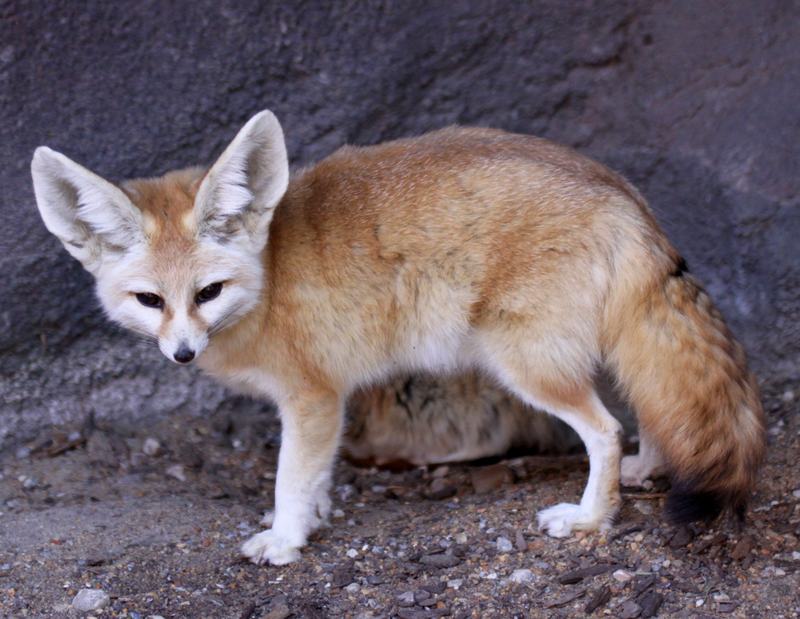
The smallest fox is the fennec, a pale desert creature that fits in two cupped hands and comes with ears far too big for its face. Those ears run up to about 15 centimetres, longer than the rest of its head, and they are not for show. They shed heat in the Sahara sun and pick up the faint scuttle of insects moving under the sand. Function, dressed up as adorable.

They Pounce Using a Compass
Here is the one that always stops me. When a red fox hunts a mouse it cannot see, hidden under snow or grass, it prefers to pounce in a north easterly direction. Researchers watched thousands of pounces and found the fox succeeds far more often when it jumps that way. The leading idea is that foxes can sense Earth's magnetic field and use it to judge distance. A living compass, aimed at lunch.
Ears That Hear a Watch Tick
A fox's hearing is absurdly good, tuned to the low frequency sounds most animals miss. It can hear a mouse squeak from about a hundred metres off, and the small rustle of a vole digging underground. This is why you often see a fox freeze, tilt its head, then plunge nose first into what looks like nothing. It was never nothing. It just was not for your ears.
The Vixen's Scream
If you have ever been woken at 3am by what sounds like someone in genuine peril, that may well have been a fox. The female, a vixen, makes a high, hoarse scream during the winter breeding season to call to males. It is a deeply unsettling noise for something the size of a small dog. Foxes have a wide vocabulary of calls, more than forty by some counts, from that scream to a soft chattering 'wow wow'.
Foxes Moved to the City
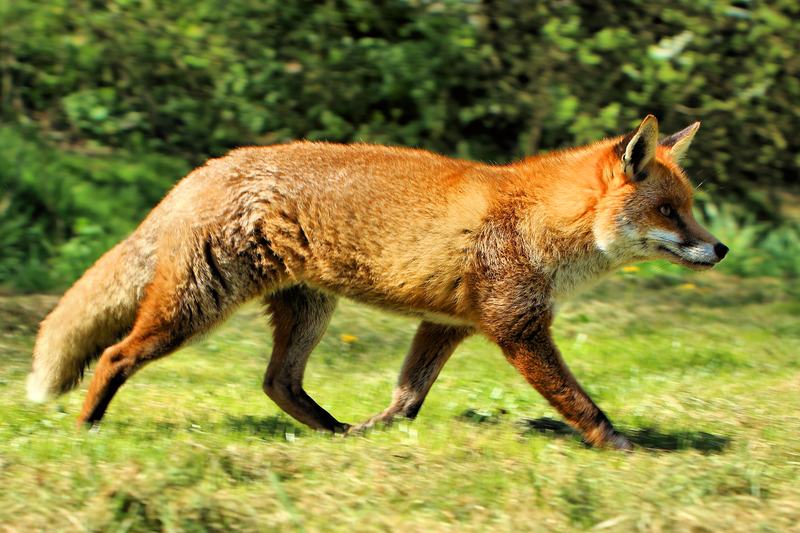
Foxes have taken to city life with alarming ease. Urban red foxes now live across British towns, including my own Bristol, trotting down pavements at dusk and raiding bins with real commitment. They do not need feeding by people, though many are, and they mostly keep to quiet routines around gardens and railway lines. A fox on the street at night is not lost. It lives there, same as you.
.jpg)
The Arctic Fox Swaps Coats
The Arctic fox has one of nature's neater tricks. In winter its fur is thick and white, hiding it against the snow. Come summer it moults to a brown or grey coat that matches bare tundra rock. It also has the warmest fur of any mammal, staying cosy down to around minus 40 degrees, and it grows fur on the soles of its feet. Its Latin name even means 'hare footed', which is a lovely detail.
A Skulk, a Tod and a Vixen
Foxes come with a whole cupboard of old names. A group is a 'skulk' or a 'leash', a male is a 'tod' or dog fox, a female is a 'vixen', and the young are 'kits', 'cubs', or 'pups'. The kits are born blind and helpless in an underground den called an earth, and both parents help raise them. By autumn the youngsters head off to find territory of their own.
Frequently Asked Questions
Are foxes dogs or cats?
Foxes are members of the dog family, Canidae, so technically they are closer to dogs and wolves. However, they hunt alone, pounce on their prey, and have vertical slit pupils like a cat. This blend of traits is why foxes often seem to behave more like cats than dogs.
What is a group of foxes called?
A group of foxes is called a skulk or a leash. A male fox is a tod or dog fox, a female is a vixen, and the young are known as kits, cubs, or pups. Foxes are mostly solitary, so large groups are fairly uncommon.
Why do foxes scream at night?
The eerie night time scream usually comes from a vixen during the winter breeding season, calling to attract males. Both male and female foxes also scream to communicate and warn off rivals. The sound is loud and oddly human, which is why it startles so many people.
Where do foxes live?
Foxes live almost everywhere in the Northern Hemisphere, from Arctic tundra to hot desert, and the red fox has spread to Australia. Many red foxes now thrive in towns and cities, living around gardens, parks, and railway lines rather than open countryside.
What do foxes eat?
Foxes are omnivores with a broad diet. They eat small mammals such as mice and voles, along with birds, insects, worms, and fruit. Urban foxes add human food waste to the menu. Foxes also bury surplus food to dig up and eat later.