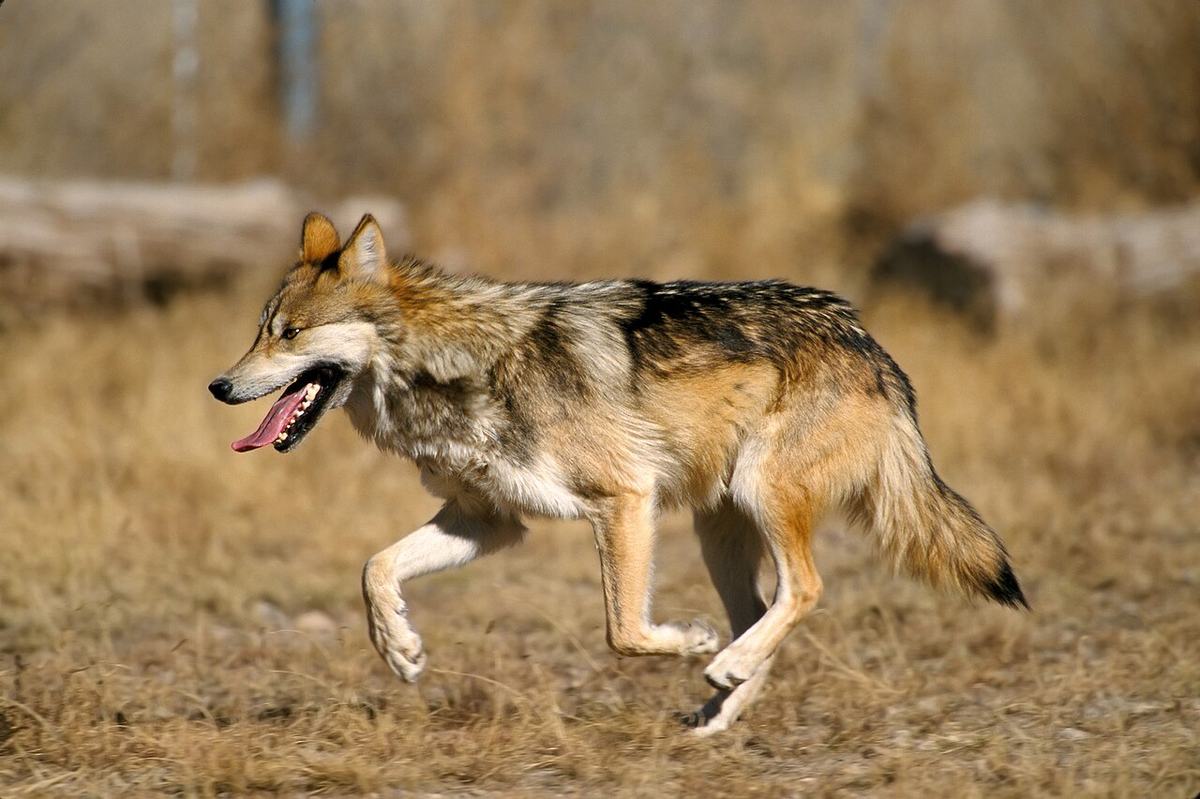
Ask my Year 4 class to draw a wolf and you get the same picture every time. A lone grey shape on a hill, teeth out, moon behind. Fair enough, that is the fairy tale. The real animal is softer and stranger than that. A wolf is a family animal that hunts with its relatives, feeds its neighbours' pups, and holds a conversation across an entire valley. Here is what actually goes on.
A Pack Is Just a Family
For years people described wolf packs as gangs, ruled by an "alpha" who fought his way to the top. As it turns out, that was mostly wrong. It came from studying unrelated wolves crammed together in captivity, which is a bit like studying strangers stuck in a lift. In the wild, a pack is a family. Two parents and their pups from the last few years. The "alphas" are simply mum and dad.
Howling Is a Phone Call
A wolf does not howl at the moon. It howls to say where it is. A howl carries for miles, so a scattered pack can regroup, and a rival pack knows to keep its distance. Each wolf has its own voice, and they can recognise one another by sound alone. My kids love this bit. It is, more or less, a very loud family phone call across the forest.

Every Dog Is a Wolf, Sort Of
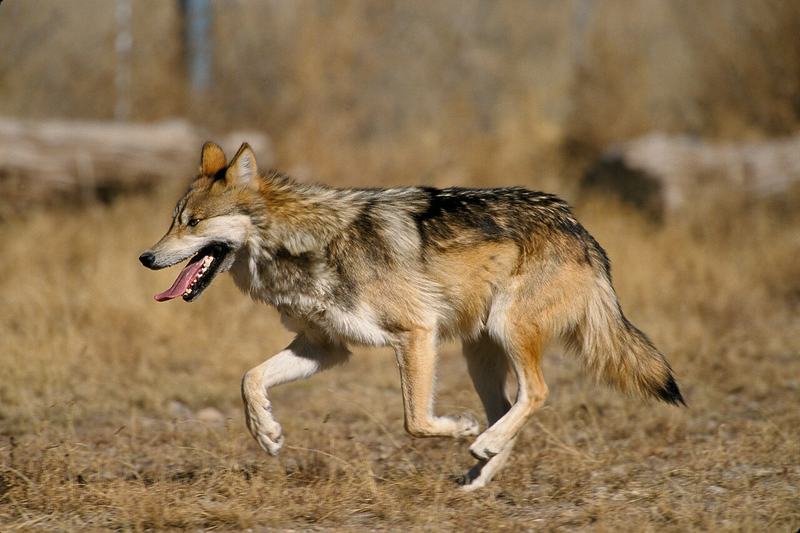
Your spaniel, your sausage dog, your enormous soppy retriever - all of them are the same species as the grey wolf, near enough. Dogs descend from wolves that began keeping company with humans somewhere between fifteen and forty thousand years ago. Somehow, a wary wild predator became the thing that sleeps on your sofa. The next time a dog rolls over for a belly rub, remember what it used to be.
They Wolf It Down, Literally
The phrase is not an accident. A wolf can eat around nine kilograms of meat in a single sitting, which is roughly a full picnic hamper of food at once. This makes sense when meals are unpredictable. A pack might feast one day and then go without for the better part of a week. So when food appears, you take as much as your stomach will hold. Sensible, really.
A Territory the Size of a City
A wolf pack does not potter about in one field. It patrols a territory that can stretch across hundreds of square kilometres, and it marks the edges with scent so neighbours get the message. They think nothing of trotting fifty kilometres in a day on those long legs. If you gave a wolf a map of London, it would consider the whole thing a reasonable back garden.

Pups Are Raised by the Whole Pack
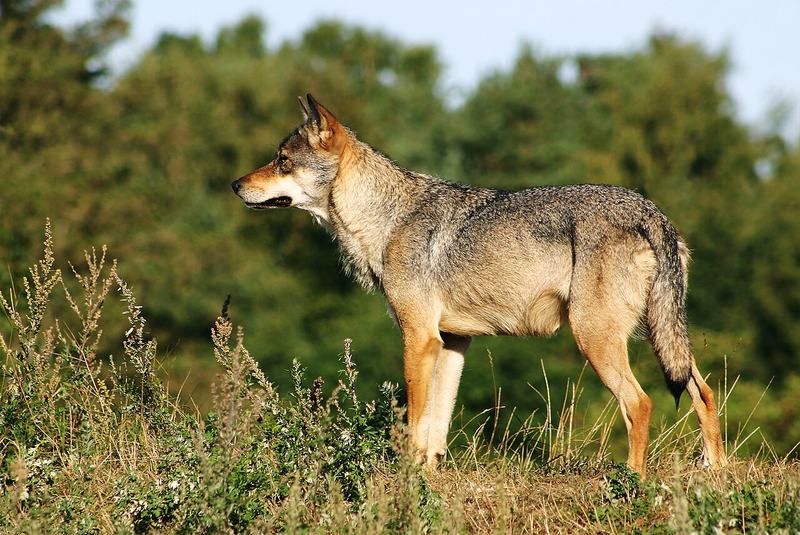
Wolf pups are born blind, deaf and utterly helpless in a den, usually a litter of four to six. Here is the lovely part. The whole pack pitches in. Older brothers and sisters guard the den and bring back food, coughing up meat for the pups to eat. (Yes, really.) It takes a village, and for wolves the village is a set of aunties and uncles who never left home.
Wolves Changed a Landscape
When wolves were brought back to Yellowstone in 1995, after a seventy-year absence, something quietly remarkable happened. With wolves about, the elk stopped lingering in one spot and stripping it bare. Young trees recovered along the rivers. Birds and beavers followed. Scientists still argue about how much of the change to credit to the wolves, and that is fair. But few doubt that one predator rippled through the whole system.
A Nose That Does the Hard Work
A wolf's world is mostly built of smell. Its sense of smell is thought to be many times keener than ours, good enough to pick up prey or another pack from well over a kilometre away in the right conditions. The hearing is superb too. Sight comes a distant third. Where you or I would look, a wolf simply lifts its nose and reads the air like a newspaper.
Frequently Asked Questions
Are wolves dangerous to humans?
Healthy wild wolves very rarely attack people, and verified attacks are extremely uncommon. Wolves are naturally wary of humans and tend to avoid us. Most risk comes from wolves that have lost their fear through being fed, or from rabies in regions where it is present.
What do wolves eat?
Wolves are carnivores that mainly hunt large hoofed animals such as deer, elk, moose and wild boar. When big prey is scarce they take smaller animals like hares, beavers and rodents. A pack shares a kill, and a single wolf can eat up to nine kilograms in one meal.
Is the "alpha wolf" idea real?
Not in the way it is usually meant. The idea came from captive, unrelated wolves and was later corrected by the same researcher who popularised it. In wild packs the leaders are simply the breeding parents, so "alpha" really just means mum and dad.
How long do wolves live?
In the wild, wolves typically live around six to eight years, though some reach their teens. Life is hard, with hunger, injury and territorial disputes all taking a toll. In captivity, with steady food and veterinary care, wolves often live into their mid teens.
Are wolves endangered?
The grey wolf as a whole is listed as Least Concern globally, but that hides a patchy picture. Some populations are healthy and expanding, while others remain small, isolated or legally protected. Numbers depend heavily on local laws, habitat and human tolerance.