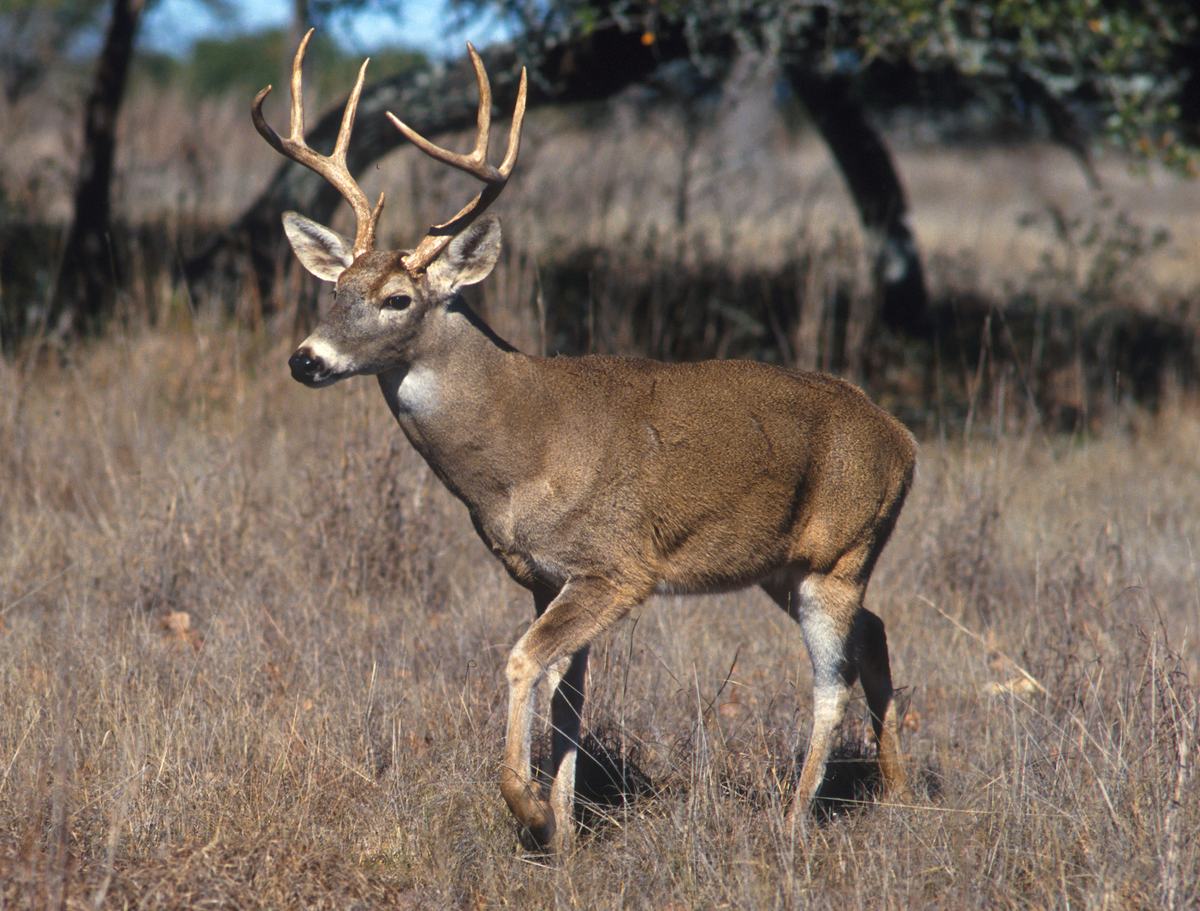
Ask my Year 4 class what a deer is and you get 'the brown one from the Christmas film'. Fair enough. But a deer is a stranger animal than Bambi lets on. It grows a full set of bone on its head every year, then throws it away. It raises babies that barely smell of anything. And it can clear a garden fence from a standing start. Here is what deer are actually up to when nobody is filming them.
Antlers Grow Faster Than Almost Any Bone
Antlers are bone, and they are in a tremendous hurry. In peak summer a big stag can add up to two and a half centimetres of antler in a single day. That makes them some of the fastest growing tissue of any mammal. While they grow, they are wrapped in a furry skin called velvet, packed with blood vessels doing the heavy lifting. My kids find it hard to believe a bony chandelier can sprout that quickly. So did I.
New Antlers Every Single Year
Here is the part that surprised me most. A deer does not keep its antlers. Each year the old set drops off, sometimes one at a time, and a fresh pair grows back from scratch. This is why antlers are not horns. Horns, on a cow or a goat, stay put for life. Antlers are grown, shown off through the mating season, then shed and started again. An annual do-over, in bone.

Deer Live on Almost Every Continent
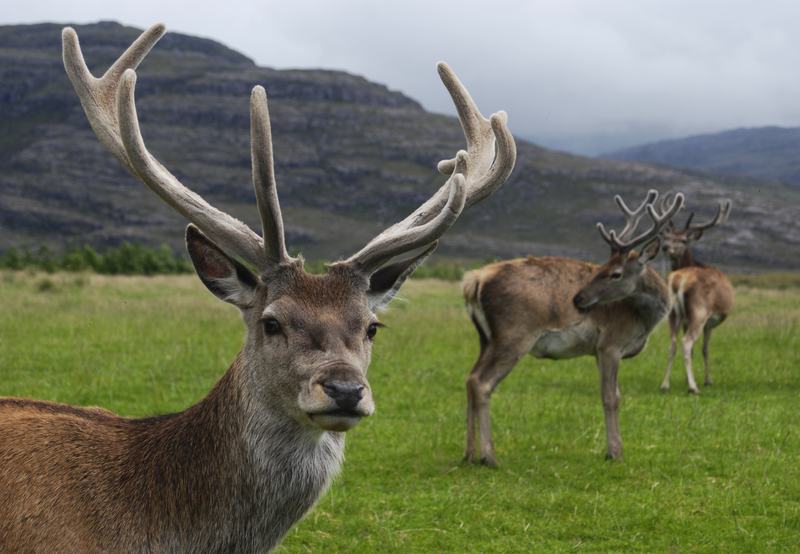
There is no single deer. The deer family holds roughly fifty species, from the moose, which stands taller than a man, to the southern pudu, which is about the size of a spaniel. Between them they live wild across Europe, Asia, and the Americas, and have been introduced elsewhere. The only places without native deer are Antarctica and Australia. Wherever there are woods and grass, as it turns out, something deer-shaped tends to move in.
Fawns Come With Camouflage
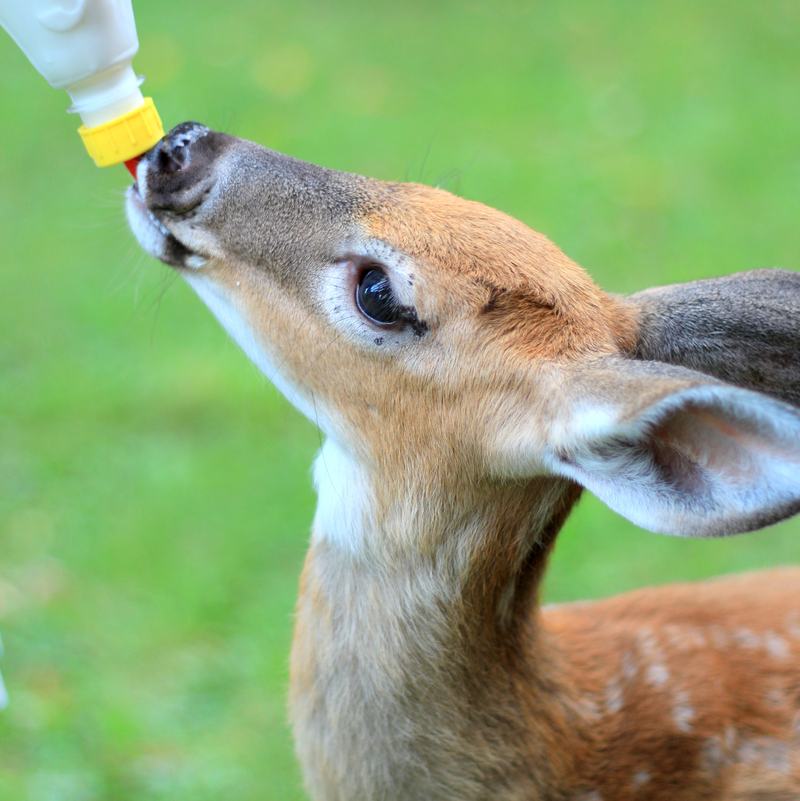
A newborn fawn has two clever tricks. Its coat is dappled with pale spots that break up its shape in patchy sunlight, so it melts into the forest floor. And it gives off almost no scent, which matters when predators hunt by nose. For the first weeks a fawn simply lies still and waits while its mother feeds nearby. Doing nothing, in this case, is the whole survival plan.

A Stomach in Four Parts
Deer are ruminants, like cows and sheep, which means their stomach has four chambers. They bolt a quick mouthful of leaves and grass, then find somewhere safe to bring it back up and chew it properly later. That mush is the cud. It is a tidy trick for a nervous animal. Eat fast in the open where it is risky, then do the slow digesting under cover where it is not.
Built to Jump and Bolt
A deer that feels watched does not hang about. A white-tailed deer can clear obstacles around two and a half metres high and sprint at roughly forty-eight kilometres an hour. They twist and dodge as they go, which makes them hard to catch on open ground. This is why a deer will sail over a fence you thought was quite tall enough. From the deer's point of view, your fence is barely a suggestion.
The Tail That Signals Danger
The white-tailed deer is named for a built-in alarm. The underside of its tail is bright white, and when the animal senses danger it lifts the tail straight up, flashing that white flag as it flees. The signal warns every other deer nearby to run too, and it may tell the predator it has been spotted, so there is little point giving chase. One raised tail, and the whole clearing empties.
Reindeer Break the Antler Rule
In most deer, only the males grow antlers. Reindeer, the ones you may know as caribou, are the exception. Both sexes grow them, and the females often keep theirs through winter after the males have shed. Reindeer have another quiet talent too. Their eyes can pick up ultraviolet light, which helps them spot lichen and predators against endless snow. Which, for an animal that lives in the Arctic dark, is rather handy.
Frequently Asked Questions
What is the difference between antlers and horns?
Antlers are bone that a deer grows and sheds every year, usually only on males. Horns, found on animals like cattle and goats, are permanent and made of a bony core covered in keratin. Antlers branch and are dropped annually, while horns keep growing throughout the animal's life.
Do all deer have antlers?
No. In most deer species only the males grow antlers, and they drop and regrow them each year. Reindeer, also called caribou, are the exception, since both males and females grow antlers. Water deer grow no antlers at all and instead have long tusk-like canine teeth.
What do deer eat?
Deer are herbivores that browse on leaves, shoots, grass, fruit, nuts and bark, with the mix changing by season. As ruminants they have a four-chambered stomach, swallowing food quickly and later chewing the cud in a safer spot. Their diet is entirely plant based.
How fast can a deer run?
White-tailed deer can run at around forty-eight kilometres an hour and jump roughly two and a half metres high. They also change direction sharply while sprinting, which helps them escape predators. Speed and agility, rather than stamina, are a deer's main defence in open country.
How long do deer live?
In the wild, most deer live around six to fourteen years depending on species, predators and hunting pressure. Many fawns do not survive their first year. In captivity, with steady food and no predators, deer often live longer, sometimes approaching twenty years.