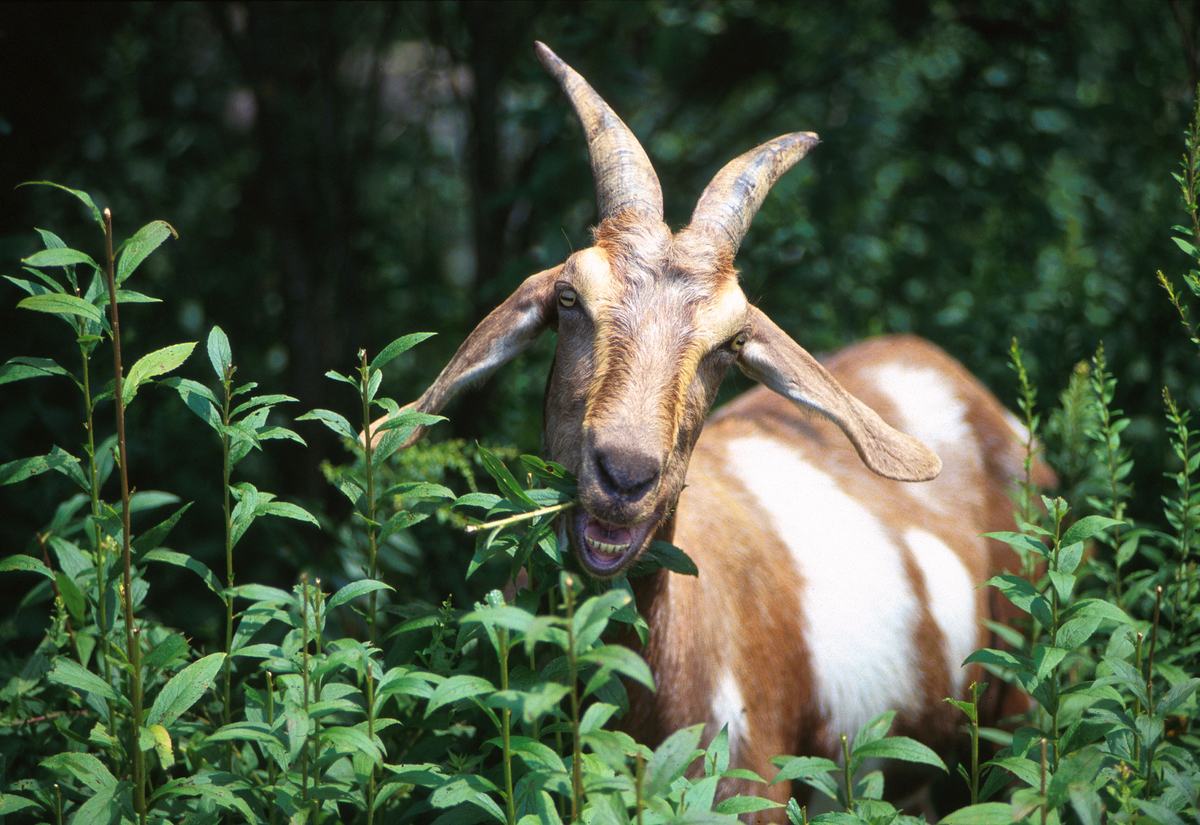
If you asked my Year 4 class to describe a goat, you would get horns, a beard, and something about eating a jumper off a washing line. All fair. But goats are quietly one of the strangest and cleverest animals on the farm, and most of us walk straight past that. Here are the bits worth stopping for.
Among Our Oldest Companions
Goats were one of the first animals we ever tamed. People in the hills of what is now Iran and Turkey started keeping wild goats around 10,000 to 11,000 years ago, which puts them right at the start of farming itself. They came for the milk, the meat, the hides, and the sheer convenience of an animal that eats almost anything. That head start shows. There are now close to a billion goats in the world.
Those Strange Rectangular Eyes
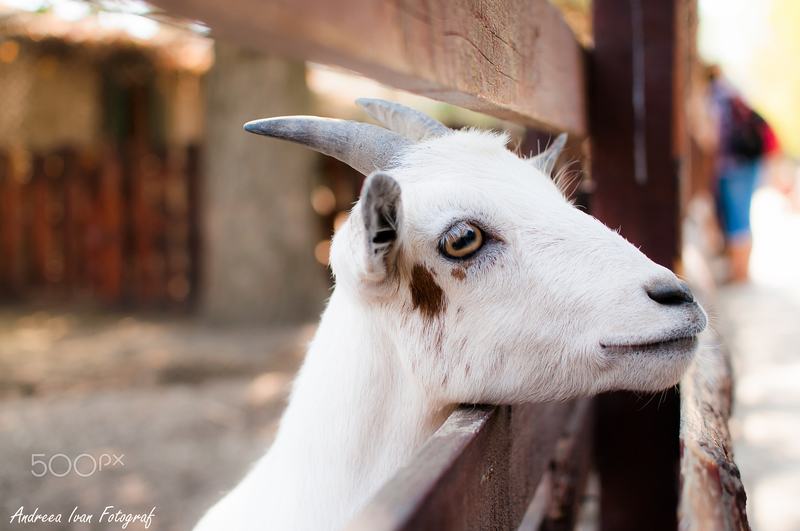
Look a goat in the eye and you will notice the pupil is not round. It is a horizontal rectangle, like a letterbox turned on its side. This gives a grazing prey animal a very wide view of the world, roughly 320 to 340 degrees, so a goat can watch for danger in nearly every direction without turning its head. Cleverer still, the pupils rotate to stay level with the ground even when the goat lowers its head to feed. (Yes, really.)
Browsers, Not Grazers
The tin can thing is a myth, but it comes from something true. Goats are browsers, not grazers, which means they prefer leaves, twigs, shrubs, and bark to plain grass. Their upper lip is mobile and fussy, and they use it to test and sort what goes in. So a goat mouthing your coat is not eating it. It is reading it, the way my class reads the back of a cereal box at breakfast.
.jpeg)
Champion Climbers
Goats climb the way other animals walk. In Morocco they famously scramble up argan trees, balancing on branches to reach the fruit, and herds have been photographed standing on the near vertical face of dams in the Alps, licking the stone for salt. Their split hooves have soft inner pads that grip like rubber, and a low centre of gravity keeps them steady. Nobody warned me about this the first time I saw one on a shed roof.
Cleverer Than They Look
Researchers at Queen Mary University of London set goats a fiddly puzzle: pull a lever with the mouth, then lift it, to release a food reward. The goats worked it out, and when tested again up to ten months later they solved it almost straight away. That is a long memory for a farm animal, and it puts goats in the same bracket as some of the problem solvers we usually think of as clever.
They Look to Us for Help
Set a goat an impossible task, a treat sealed in a box it cannot open, and it does something rather dog like. It stops, turns, and gazes back at the nearest human, as if to say, a hand would be nice. This kind of referential glance was long thought to belong to dogs and horses, animals bred to work with us. Goats do it too, which hints at just how closely they have read us over ten thousand years.
.JPG)
Every Herd Has an Accent
Goat kids are not born sounding like their herd. As they grow and move into social groups with other youngsters, their calls drift and start to match the group they spend time with. Scientists call this vocal plasticity, and it is rare in mammals. In plainer terms, a goat picks up the local accent, which is more than I can say for some people who move to Bristol.
Kids, Bucks and Nannies
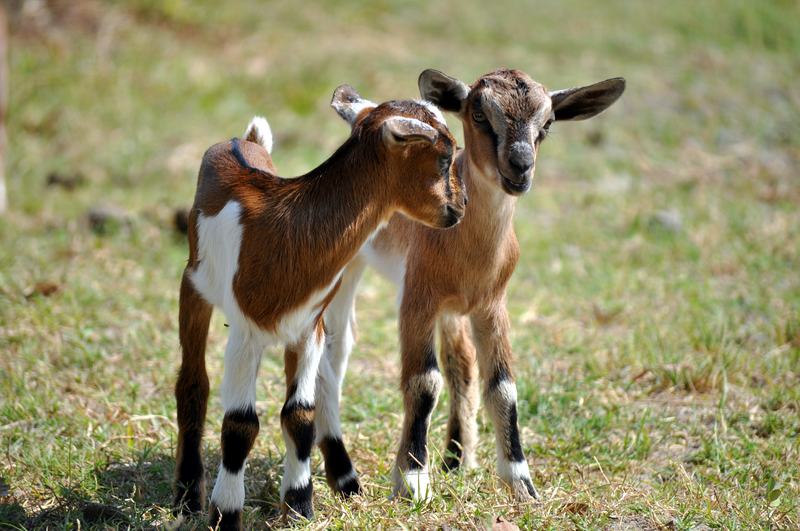
The vocabulary is its own small pleasure. A baby goat is a kid, giving birth is called kidding, an adult male is a buck or billy, and a female is a doe or nanny. Some breeds carry little dangling flaps of skin on the neck called wattles, which do very little except look charming. And the fainting goats you may have seen online are not really fainting. A harmless muscle condition makes them stiffen and topple when startled, then get straight back up.
Frequently Asked Questions
Why do goats have rectangular pupils?
The horizontal, rectangular pupil gives goats a very wide field of view, around 320 to 340 degrees, helping them spot predators from almost any angle. The pupils also rotate to stay parallel with the ground as the goat lowers its head to feed, keeping the horizon in sharp focus.
Are goats intelligent?
Yes. In controlled studies goats have solved mechanical puzzles for food and remembered the solution up to ten months later. They also look to humans for help when a task is too hard, a behaviour once thought limited to dogs and horses. Goats are considered among the more cognitively capable farm animals.
What do goats actually eat?
Goats are browsers, so they prefer leaves, twigs, shrubs, and bark over plain grass. They use a mobile upper lip to test and select their food carefully. The idea that goats eat tin cans is a myth, though their habit of nibbling and mouthing objects is where it came from.
How long do goats live?
Domestic goats typically live around 15 to 18 years, with many reaching the higher end when well cared for. Lifespan varies with breed, diet, and whether the animal is kept for dairy, meat, or as a companion. Good nutrition and veterinary care make a real difference.