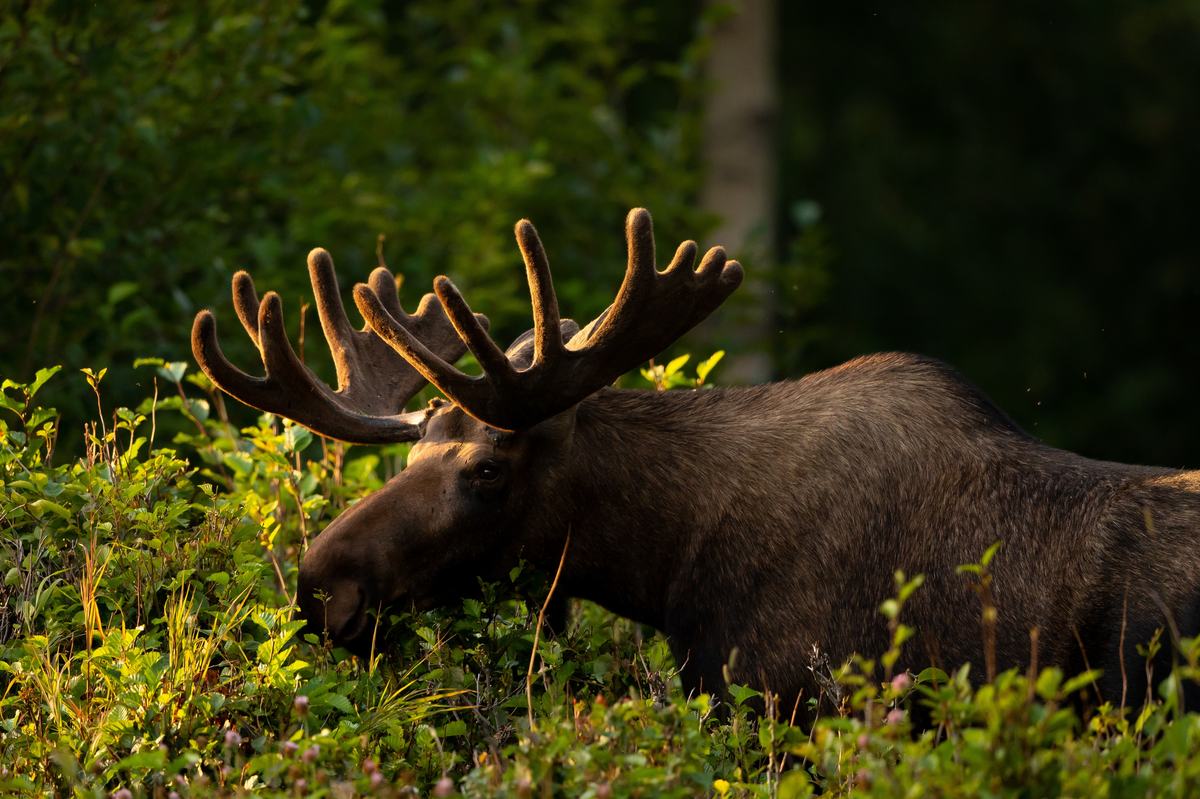
If you asked my Year 4 class to draw the biggest deer in the world, they would draw something the size of a large dog. Then they would double it, and still be wrong. A fully grown bull moose stands taller at the shoulder than most horses, and can weigh more than half a tonne. It is a deer, technically. It just did not read the memo about being dainty.
The Tallest Deer on Earth
The moose is the largest member of the deer family, full stop. A big bull stands up to 2.1 metres at the shoulder, which is roughly eye level with the top of a doorframe. Weights of 500 to 600 kilograms are normal in Alaska and eastern Canada. The size is not for show. Long legs let a moose step over fallen logs and wade through snow that would stop a smaller animal cold.
Antlers That Regrow Every Year
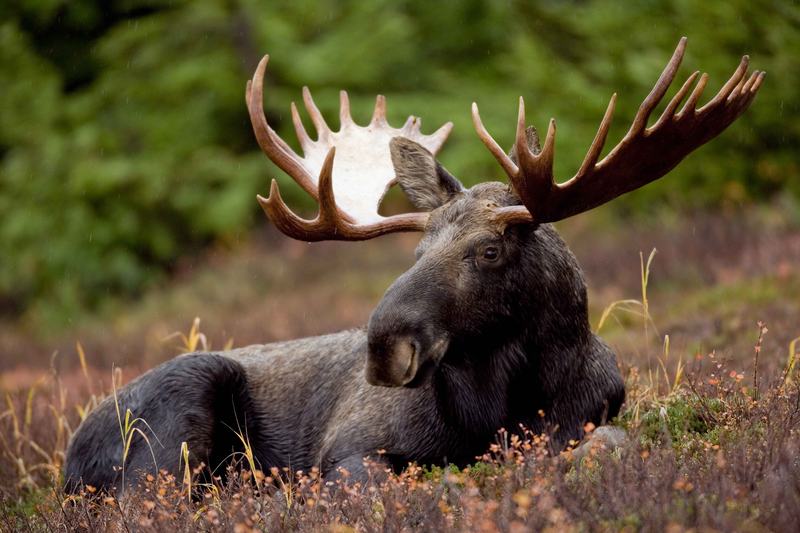
Each spring, a bull grows a fresh set of antlers from scratch, and each winter he drops them. The broad, flat 'palmate' antlers can span nearly 1.8 metres from tip to tip. While growing, they are covered in a soft, blood-rich skin called velvet, and they count among the fastest growing tissues of any mammal. Then, once the autumn rut is over, the whole heavy structure simply falls off. He grows it all again next year. Somehow.

The Odd Flap Under the Throat
That dangling pouch of skin beneath a moose's chin has a name. It is called a bell, or a dewlap, and nobody is entirely sure what it is for. The leading idea is that it carries scent during the breeding season, letting bulls and cows advertise to one another. Bulls tend to have larger bells than cows. Older moose sometimes lose the lower tip to frostbite, which suggests it is not exactly essential.
They Feed Underwater
Here is the fact my class refuses to believe. Moose wade into ponds and lakes and feed on plants growing at the bottom, ducking their whole head under. They can close their nostrils, hold their breath, and reach plants several metres down. Why bother? Aquatic plants are rich in sodium, which moose crave, and they are soft and easy to crop. A feeding moose in a lake looks less like a deer and more like a very large, very calm swimmer.
Built to Run and Swim
For an animal shaped like a sofa on stilts, a moose is alarmingly quick. It can run at around 56 kilometres per hour and trot for long stretches without tiring. It swims well too, capable of paddling several kilometres and staying afloat for hours. The long legs that look so ungainly on land turn out to be brilliant for powering through deep water and deep snow alike.
A Twig Eater by Name
The word 'moose' comes from an Algonquian term meaning something close to 'he strips off', a nod to how it tears bark and twigs from trees. And it eats a lot of them. An adult can put away 20 to 30 kilograms of vegetation in a day, browsing leaves, shoots, bark and water plants. In Europe the very same animal is called an elk, which is a reliable way to confuse a room full of people.

Calves That Grow in a Hurry
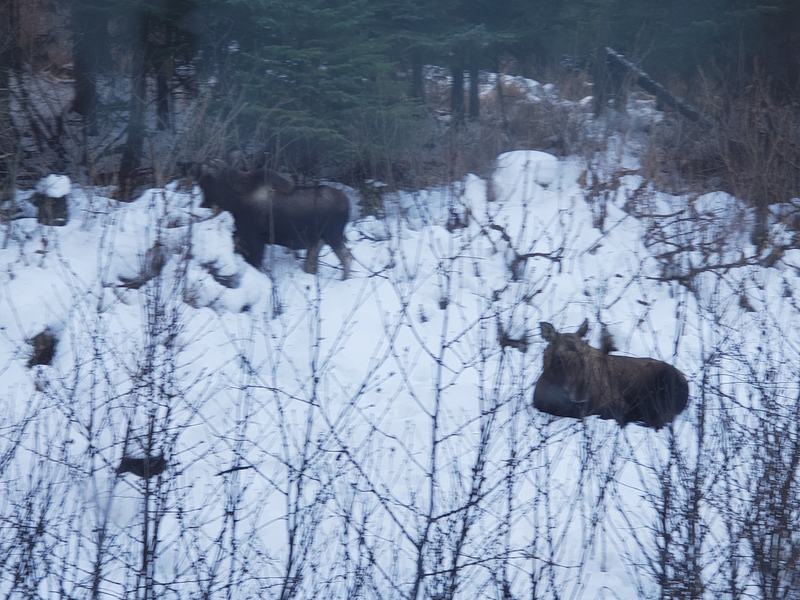
A cow usually has one calf in late spring, sometimes twins if food has been good. Moose calves are born a plain reddish-brown, without the white spots most deer fawns wear. They grow at a startling pace, putting on weight faster than almost any other young mammal, and within a few weeks a calf can outrun a person. It stays with its mother for about a year, right up until she is ready to have the next one.
Best Given Plenty of Room
Moose look placid, and mostly they are, but they are not to be crowded. In parts of Alaska they injure more people each year than bears do, usually because someone got too close to a cow with a calf, or to a bull during the autumn rut. They are large, fast, and quite capable of a warning charge. Admire them from a distance, and let the animal decide how close is close enough. Which, fair enough.
Frequently Asked Questions
How big is a moose?
A large bull moose can stand up to 2.1 metres tall at the shoulder and weigh 500 to 600 kilograms, making it the biggest member of the deer family. Females are smaller. Size varies by region, with Alaskan moose the largest and more southern populations noticeably lighter.
Can moose really feed underwater?
Yes. Moose regularly wade into lakes and dip their heads below the surface to feed on aquatic plants, and they can reach several metres down and hold their breath while doing so. They swim strongly too, crossing wide stretches of open water when they need to.
Why do moose grow and lose their antlers?
Only male moose grow antlers, and they regrow them every year for the autumn breeding season, then shed them in winter to save energy. New antlers grow back each spring covered in soft velvet. The size of a bull's antlers signals his condition to rivals and to mates.
Are moose dangerous to people?
Moose are not predators, but they can be dangerous if they feel threatened, especially cows protecting calves and bulls during the autumn rut. They are large and fast and may charge to warn you off. The safest approach is to keep well back and never come between a mother and her calf.