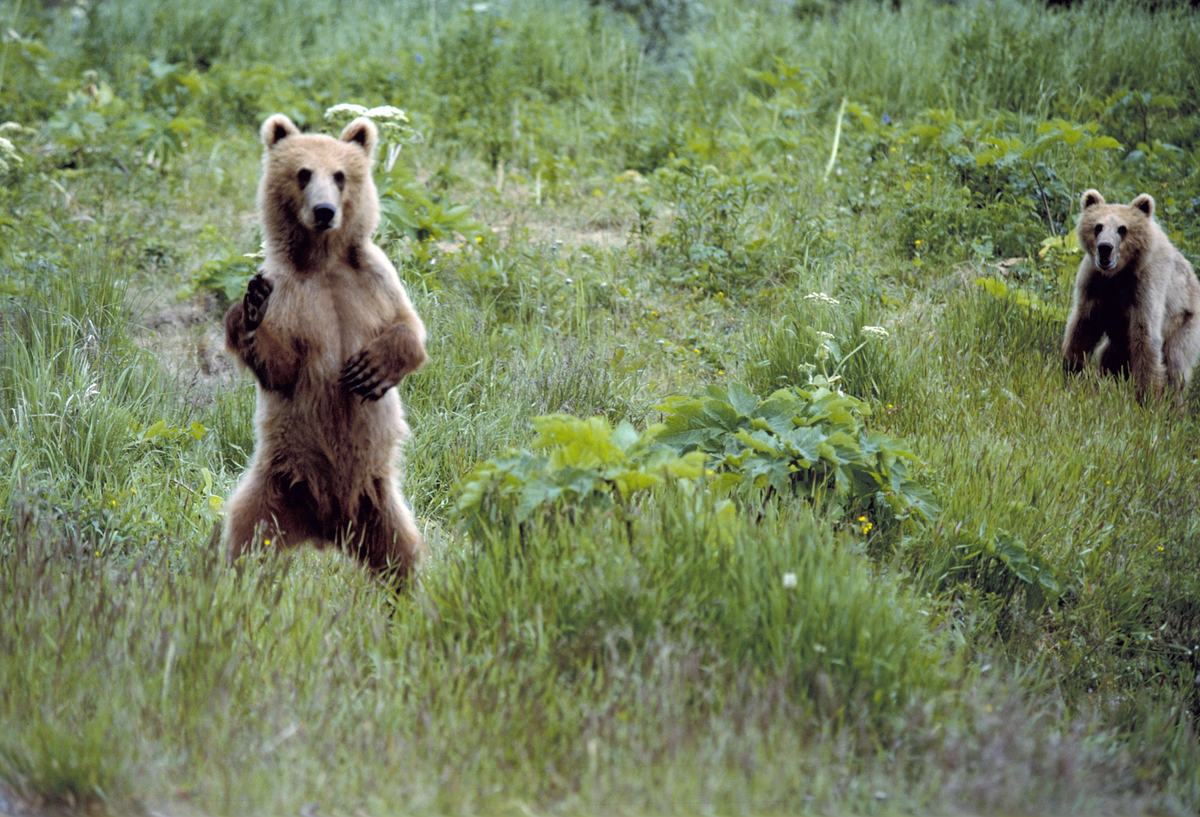
Ask my Year 4 class to draw a bear, and you get the same brown, roundish creature every time. Fair enough. But bears come in eight species, one eats almost nothing but bamboo, and another spends its life on Arctic ice. The more you look, the less tidy the picture gets.
Eight Species, One Family
There are eight kinds of bear alive today, and they are a mixed bunch. The brown bear, the American black bear, and the Asian black bear are the ones most people picture. Then come the polar bear, the giant panda, the sloth bear, the sun bear, and the spectacled bear of South America. That last one, by the way, is the only bear native to the whole continent. Somehow they all belong to the same family.
From Sun Bear to Polar Giant
The gap between the smallest and largest bear is enormous. A sun bear, the little one from Southeast Asia, weighs about 25 to 65 kilograms, roughly a large dog. A big male polar bear can top 600 kilograms, which is closer to a small car. Polar bears and the Kodiak brown bears of Alaska are the largest land predators on Earth. Standing up, a Kodiak can reach three metres, which is not a thing you want to meet on a walk.
A Nose That Beats the Bloodhound
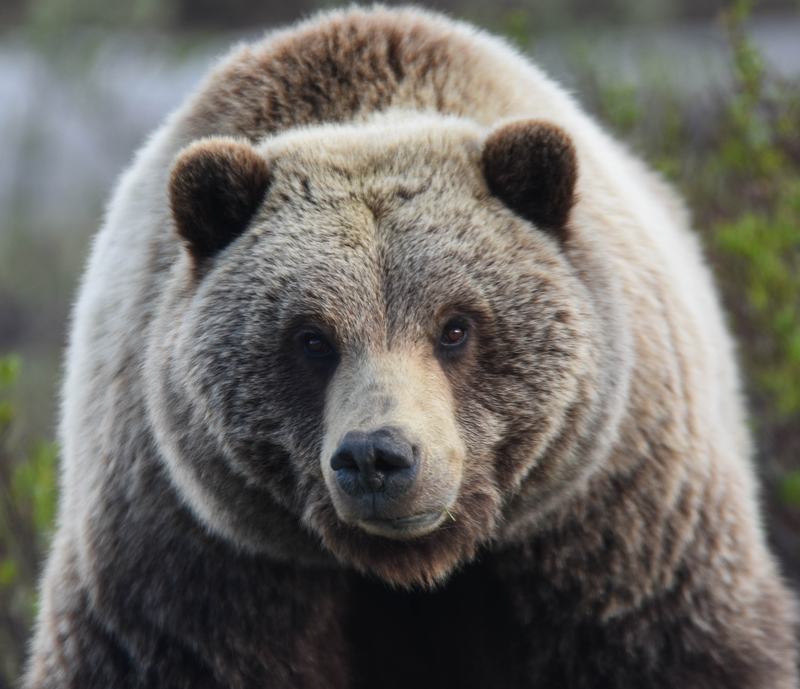
A bear's best trick is its nose. Their sense of smell is thought to be the sharpest of any land mammal, better even than a bloodhound's, and some experts reckon a bear can catch a scent from many miles off. A polar bear can smell a seal through a metre of packed snow. My kids find this brilliant and slightly alarming, which is about right. It also explains why you never leave sandwiches in a tent.
.jpg)
The Long Winter Sleep
Many bears spend the cold months in a den, living off the fat they built up all autumn. During this deep sleep their heart rate can drop from around 50 beats a minute to as few as 8, and they do not eat, drink, or go to the loo for months. What they do not do is fully cool down like a hibernating hedgehog, so scientists once argued about whether it counts as real hibernation. These days most agree it does.
Cubs the Size of a Squirrel
Here is the fact that always gets a gasp. A newborn bear cub weighs about half a pound, roughly the size of a squirrel, and it is born blind and nearly bald. The mother gives birth in the den, mid winter, while she is still half asleep. By spring the cubs come out plump and playful. Going from something that fits in a teacup to a 300 kilogram adult is quite the journey.
Faster Than They Look
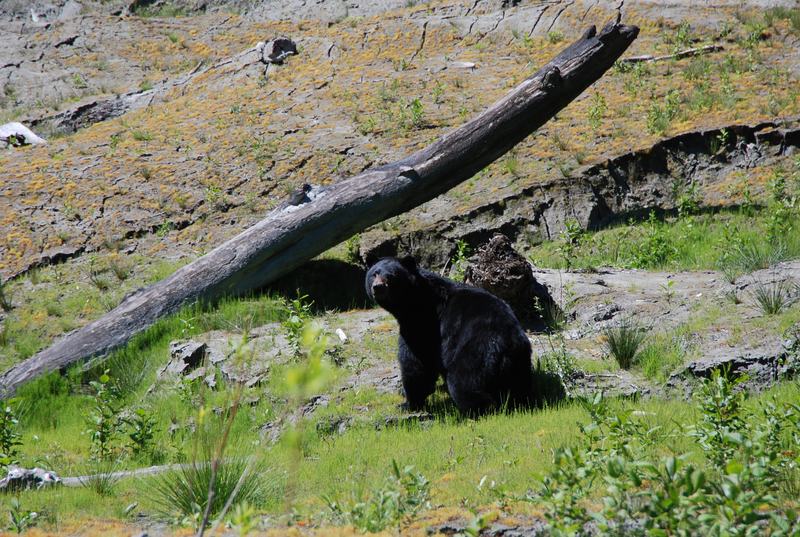
Bears look heavy and slow, which is a dangerous thing to believe. A grizzly can run at around 50 kilometres an hour, faster than any human who has ever lived. Black bears are nimble climbers and will shoot up a tree when startled. Polar bears are strong swimmers and have crossed vast stretches of open sea. So the old advice to outrun a bear was never really advice. It was wishful thinking.
.jpg)
The Panda's Extra Thumb
The giant panda is a bear with a strange diet and a stranger hand. It eats bamboo almost exclusively, up to 12 hours a day, even though its gut is built like a meat eater's. To grip the stalks it uses a sixth digit, a padded wrist bone that works like a thumb. It is not a real thumb, just a clever bit of bone doing overtime. Evolution, as it turns out, is happy to improvise.
Polar Bears Have Black Skin
A polar bear is not really white. Under all that fur its skin is jet black, and the hairs themselves are hollow and see-through. They only look white because they scatter the light around them, a bit like snow or crushed glass. The black skin helps the bear soak up what little warmth the Arctic sun offers. So the whitest looking animal in the world is, underneath, one of the darkest.
Where the Teddy Bear Came From
The teddy bear is named after a real bear and a real president. In 1902 Theodore Roosevelt refused to shoot a captured black bear on a hunting trip, calling it unsporting. A newspaper cartoon ran with the story, a shopkeeper made a stuffed bear in tribute, and 'Teddy's bear' stuck. So every cuddly toy in my classroom traces back to one American president having a fit of decency.
Frequently Asked Questions
How many species of bear are there?
There are eight living species of bear: the brown bear, American black bear, Asian black bear, polar bear, giant panda, sloth bear, sun bear, and spectacled bear. They live across North America, South America, Europe, and Asia, in habitats ranging from Arctic ice to tropical forest.
How good is a bear's sense of smell?
A bear's sense of smell is considered the best of any land mammal, sharper than a bloodhound's. Bears can detect food from a long distance, and a polar bear can smell a seal buried under about a metre of snow. This keen nose guides most of their feeding.
Do all bears hibernate?
No. Bears in cold regions den and enter a deep winter sleep, but bears in warm climates, such as sun bears, do not hibernate at all. During hibernation a bear's heart rate and metabolism slow dramatically, and it survives on stored body fat without eating or drinking.
How big are bear cubs when they are born?
Bear cubs are tiny, weighing roughly half a pound, about the size of a squirrel. They are born blind and nearly hairless in the mother's winter den. They nurse and grow quickly, emerging from the den in spring as plump, active cubs ready to explore.
Are polar bears actually white?
No. Polar bear skin is black, and their fur is hollow and translucent rather than truly white. The fur appears white because it scatters visible light. The black skin underneath helps the bear absorb heat from the sun, which matters greatly in the Arctic cold.