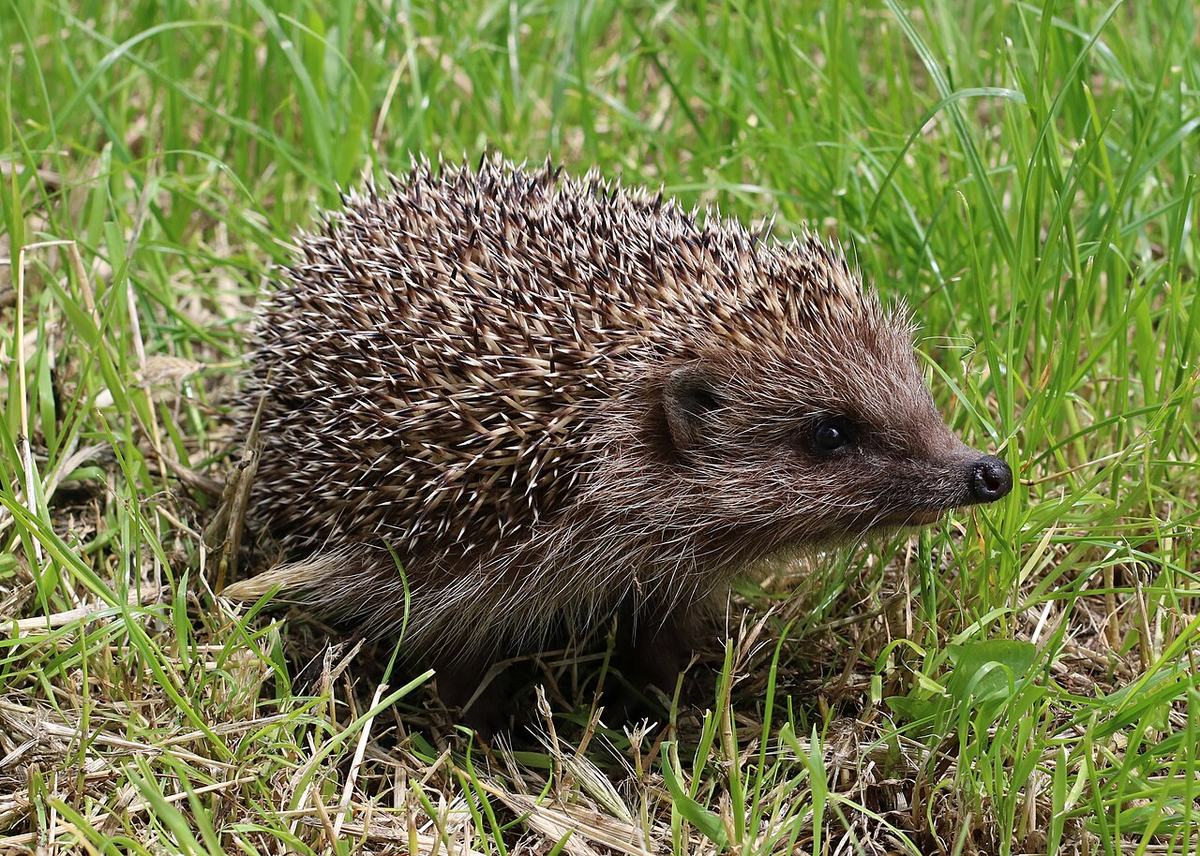
Ask my Year 4 class to describe a hedgehog and you get "spiky", "small", and "rolls up". All true. What they miss is that this garden regular is a night-shift beetle hunter, a champion sleeper, and the owner of one of the odder personal grooming habits in British wildlife. There is a great deal going on under all those spines.
The Spines Are Just Clever Hair
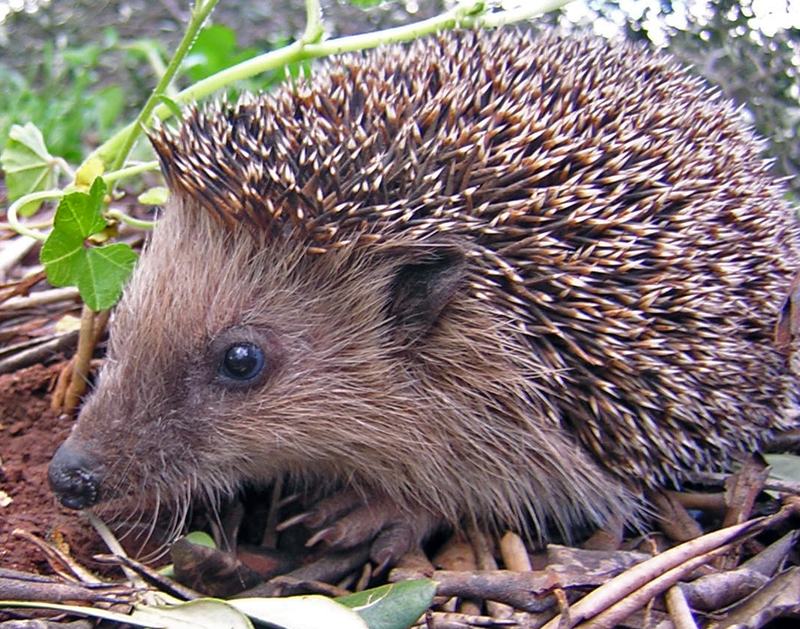
A hedgehog wears somewhere between 5,000 and 7,000 spines, and each one is a hair, stiffened with keratin. That is the same stuff as your fingernails. The spines are not barbed like a porcupine's and they do not shoot out. They sit on a hinge of muscle, lying flat when the animal is calm and standing up when it is not. A hedgehog sheds and regrows them slowly through its life, a few at a time.
Rolling Into a Ball
When a hedgehog feels threatened it does not run. It curls. A large muscle runs like a drawstring around the edge of its spiny coat, and pulling it tight tucks the soft face, belly, and legs safely inside. What is left is a bristling ball that most predators decide is more trouble than it is worth. (Badgers, sadly, disagree.) The whole manoeuvre takes barely a second.

The Frothy Spit Ritual
Here is the strange one. When a hedgehog meets a new, strong smell or taste, it sometimes chews at the source, works up a mouthful of frothy saliva, and then twists round to spread it across its own spines. Naturalists call it self-anointing. Nobody is entirely sure why they do it. The leading guesses are scent disguise or a spot of self-defence. Whatever the reason, it looks deeply peculiar. Nobody warned me about this.
They Really Do Hibernate
British hedgehogs are true hibernators, not just heavy sleepers. Through the coldest months a hedgehog lets its body temperature fall close to the surrounding air, and its heart rate drops from around 190 beats a minute to fewer than 20. It builds a snug nest of leaves, called a hibernaculum, and more or less switches itself off until spring. Waking up costs energy, so a disturbed hedgehog in January is a hedgehog in trouble.
The Name Is a Job Description
"Hedgehog" is refreshingly literal. The animal snuffles along hedgerows for food, and it grunts as it goes, a bit like a small pig. Hence hedge, and hog. A baby hedgehog is a hoglet, which my class agreed was the best animal word they had heard all term. A group is sometimes called an array, though hedgehogs are solitary enough that you will rarely see one.
Bread and Milk Is a Mistake
For years people left out bread and milk for visiting hedgehogs. It is genuinely bad for them. Hedgehogs are lactose intolerant, and dairy upsets their stomachs. In the wild they are insectivores, hoovering up beetles, worms, caterpillars, and slugs, which makes them a gardener's quiet ally. If you want to help one, a shallow dish of water and a little meaty cat food will do far more good.
A Fair Amount of Ground Each Night
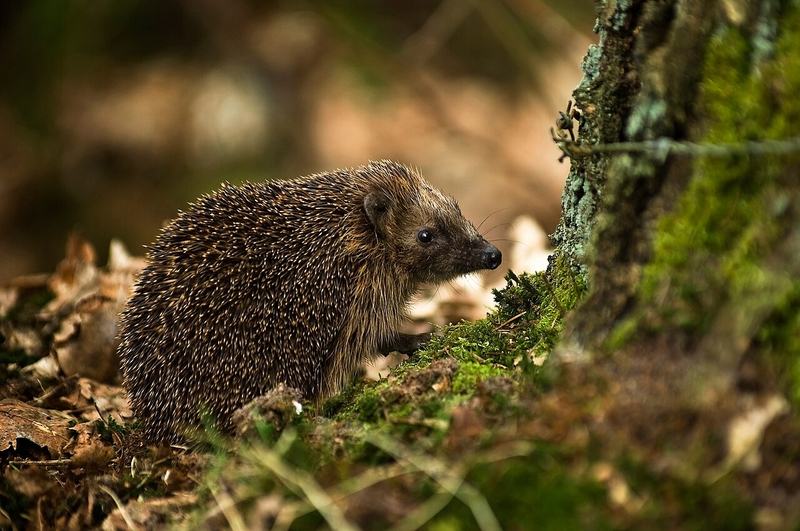
For a creature the size of a bread roll, a hedgehog covers serious distance. On a good night it can travel one to two kilometres in search of food and mates. This is why gardeners are asked to cut small "hedgehog highways", gaps in fences and walls, so the animals can roam between gardens. A fenced-off garden is, from a hedgehog's point of view, a dead end.
2.jpg)
Quietly Disappearing
The hedgehog feels like a fixture of the British garden, which makes the numbers hard to swallow. Populations have fallen sharply over recent decades, hit by busier roads, tidier gardens, and fewer of the insects they eat. In 2020 the European hedgehog was listed as near threatened on the global Red List. The most old-fashioned of garden animals now needs a bit of help to stay common. And yet.
Frequently Asked Questions
Do hedgehogs shoot their spines?
No. A hedgehog's spines are firmly rooted stiffened hairs and cannot be fired like arrows. The animal defends itself by rolling into a tight ball so the spines point outward. Old spines are shed and replaced slowly throughout its life, a few at a time.
Why do hedgehogs foam at the mouth?
This is a behaviour called self-anointing. When a hedgehog encounters a strong new smell or taste, it produces frothy saliva and spreads it across its spines. Scientists are not certain why, but the leading ideas are scent camouflage and a form of chemical defence.
Should I feed a hedgehog bread and milk?
No. Hedgehogs are lactose intolerant, so milk makes them ill, and bread offers little nutrition. If you want to help, leave out a shallow dish of fresh water and some meaty cat or dog food. Avoid dried mealworms as a main meal, as they can harm their bones.
Do hedgehogs really hibernate?
Yes. British hedgehogs hibernate through winter, usually from around November to March. Their body temperature and heart rate fall dramatically to save energy while food is scarce. They nest in piles of leaves, so it is worth checking bonfires and garden heaps before disturbing them.