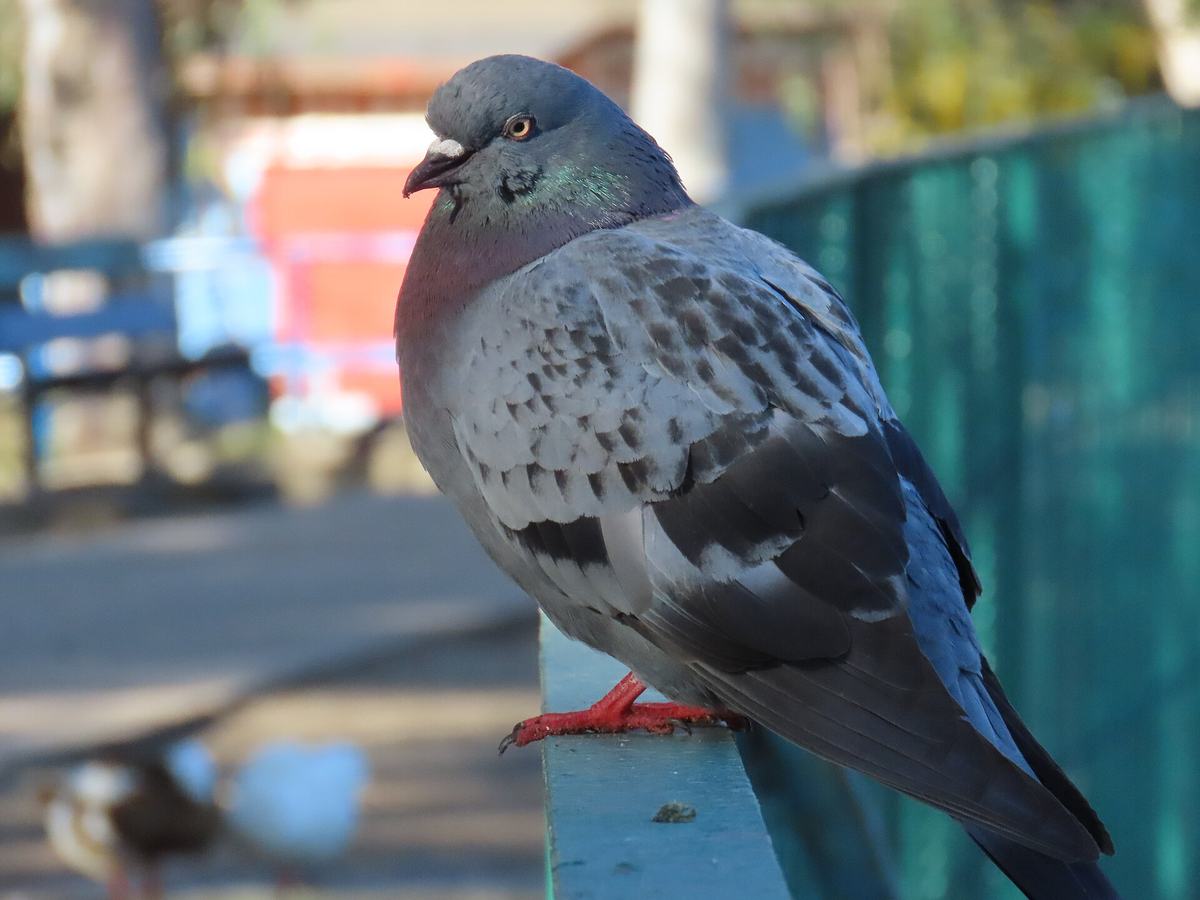
Most people step around pigeons the way they step around puddles. Which is a shame, because the ordinary city pigeon has done more for human history than most pets, and it can tell a Monet from a Picasso. (Yes, really.) Behind that head bob sits one of the more quietly impressive birds you will ever ignore.
The Pigeon and the Dove Are the Same Bird
There is no scientific line between a pigeon and a dove. Both belong to the same family, Columbidae, and the split is mostly a matter of which word sounds nicer. The white bird released at weddings and the grey one on your window ledge are, near enough, the same animal. The city pigeon is a rock pigeon, Columba livia, descended from birds people kept for food and sport [1]. As it turns out, we invited them in.
They Feed Their Chicks on Milk
Pigeons make milk. Not the dairy kind, but a rich, cheesy substance called crop milk, produced in the lining of the throat by both the mother and the father [6]. For the first days of life, the chicks eat almost nothing else. Very few birds do this. Flamingos and male emperor penguins are the other famous examples. A father pigeon nursing his young is a strange and rather lovely thing, and nobody warned me about it.
They Find Their Way Home
Homing pigeons can be driven hundreds of miles from home, released somewhere they have never been, and still turn up on the right roof by evening [1]. Quite how they manage it is still argued over. They seem to use the sun, the Earth's magnetic field, and possibly even smell, all at once. My Year 4 class found this harder to believe than dinosaurs, and I cannot say I blame them.
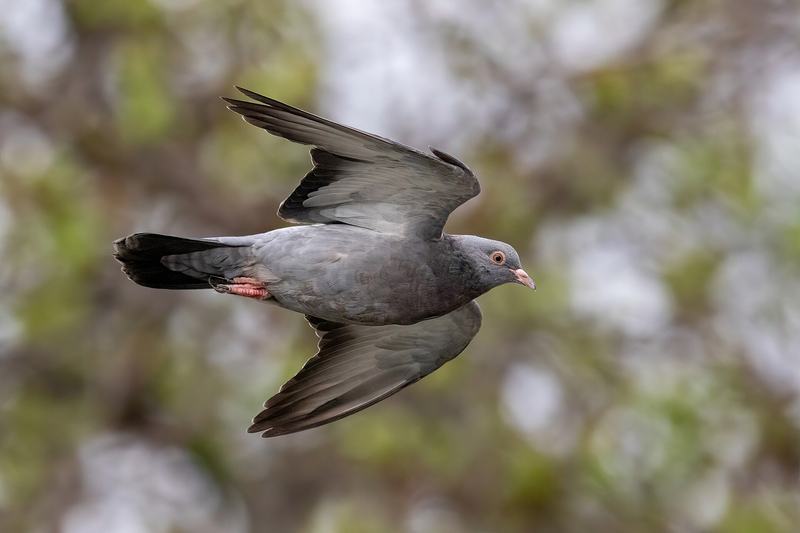

A Pigeon Won a Medal
In October 1918, an American battalion was pinned down in the Argonne forest and being shelled by its own side [2]. A pigeon called Cher Ami flew through the fire carrying their position, was shot through the breast, and delivered the message anyway. The roughly 190 surviving men were spared their own guns. The French awarded the bird the Croix de Guerre [2]. Everyone said "she" for a century, until a DNA test revealed he had been male all along.
It Can Tell a Monet From a Picasso
In a 1990s experiment, pigeons were shown paintings and rewarded for pecking at the Monets but not the Picassos [3]. They learned the difference, then correctly sorted paintings they had never seen before, and even generalised to other Impressionists. The study went on to win an Ig Nobel Prize [3]. It is a humbling thing, being out-curated by a bird that eats chips off the pavement.
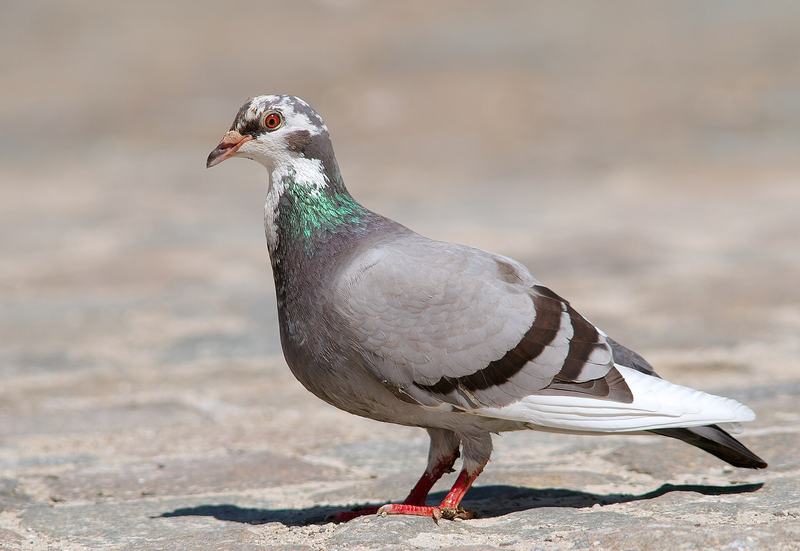

It Can Read a Medical Scan
Pigeons can be trained to spot breast cancer. In a 2015 study, birds looked at magnified tissue samples and learned to tell cancerous from healthy at nearly 90 per cent accuracy, and a flock voting together did better still [4]. They also picked out suspicious spots on mammograms. Nobody is suggesting a pigeon replace your doctor. But the sharp eyes and the small clever brain are the genuine article.
Darwin Kept Them in His Garden
Charles Darwin was, among other things, a pigeon fancier. He bred them, joined pigeon clubs, and opened his argument in "On the Origin of Species" not with finches but with domestic pigeons [5]. Fantails, pouters, tumblers, every fancy breed, all descend from the same rock pigeon [5]. Watching how breeders reshaped one bird into hundreds helped him see how nature might do the same, only far more slowly.
Why the Head Bob
Pigeons do not really bob their heads. They hold the head still while the body walks forward, then snap it ahead to catch up [1]. It looks like bobbing, but it is very nearly the opposite, a trick for keeping the world steady long enough to see it clearly. Try walking across a room while holding your gaze fixed on one spot, and you will start to sympathise.
Frequently Asked Questions
Are pigeons and doves different animals?
No. Pigeons and doves belong to the same family, Columbidae, and there is no firm scientific distinction between them. In general "dove" tends to describe smaller species and "pigeon" the larger ones, but the words are used interchangeably, and the common city pigeon is really a rock pigeon.
How do homing pigeons find their way home?
Homing pigeons use a mix of cues to navigate, including the position of the sun, the Earth's magnetic field, and possibly their sense of smell. Released far from home in places they have never seen, good birds still return, sometimes across several hundred miles in a single day.
Do pigeons really produce milk?
Yes. Both the male and female produce crop milk, a nutrient-rich secretion from the lining of the crop, and feed it to their chicks for the first days of life. Only a few birds do this, including flamingos and emperor penguins. It is regulated by prolactin, the same hormone behind milk in mammals.
Are pigeons intelligent?
Pigeons are considerably smarter than their reputation. In laboratory studies they have learned to distinguish painting styles, recognise letters and human faces, and even flag cancerous tissue on medical images. Their vision and visual memory are especially sharp.
Why do pigeons bob their heads?
Pigeons hold their heads still while their bodies move, then thrust them forward, which only looks like bobbing. Holding the head steady keeps their visual field stable, so they can judge distance and spot movement while walking. Birds kept still on a treadmill stop doing it altogether.
Sources
- Rock Pigeon Overview - Cornell Lab of Ornithology
- Cher Ami - National Museum of American History
- Pigeons' Discrimination of Paintings by Monet and Picasso - Journal of the Experimental Analysis of Behavior
- Pigeons as Trainable Observers of Pathology and Radiology Breast Cancer Images - PLOS ONE
- Pigeons - Darwin, University of Cambridge
- Histological and Global Gene Expression Analysis of the 'Lactating' Pigeon Crop - BMC Genomics