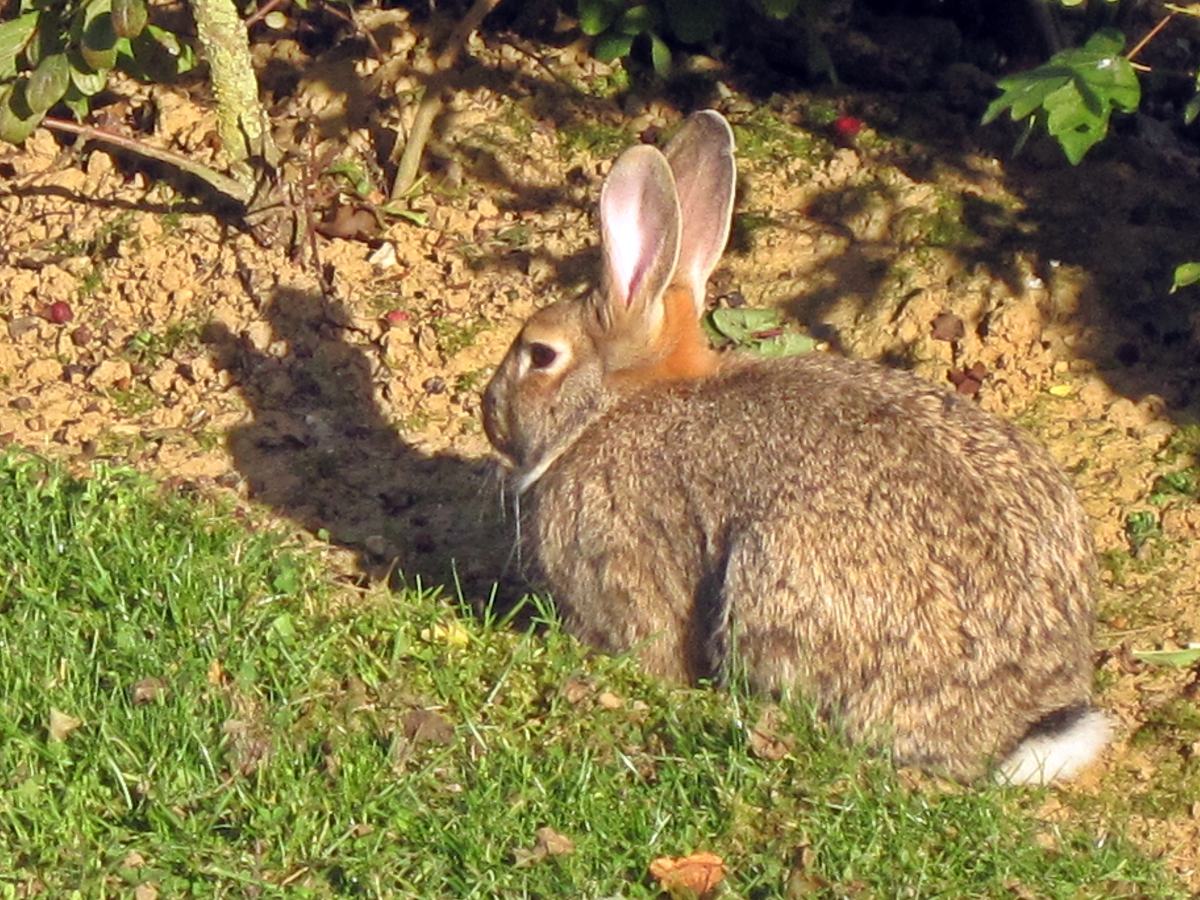
If you asked my Year 4 class how many teeth a rabbit has, they would guess two. The big ones at the front, obviously. The real answer is 28, and most of them are hiding at the back doing the actual work. Rabbits are full of this sort of thing: quietly stranger than they look, and getting on with it while we coo at them.
Their Teeth Never Stop Growing
A rabbit's teeth grow for its whole life, roughly two millimetres a week. (Yes, really.) That sounds like a design fault until you remember what they eat. Grass and hay are gritty and wear teeth down fast, so a rabbit simply grows more tooth to replace what it grinds away. The chewing keeps everything level. A pet rabbit fed only soft food can end up with overgrown teeth, which is exactly the problem the wild ones never have.
They Can Almost See Behind Themselves
A rabbit's eyes sit high on the sides of its head, which gives it a field of vision close to 360 degrees. It can spot a hawk coming without turning round. There is one catch. The blind spot is right in front of its nose, which is why a rabbit sometimes misses a treat placed directly under its face and has to sniff around for it. Brilliant at the horizon, hopeless at the tip of its own nose.

_kitten.jpg)
They Eat Their Own Droppings
This is the fact that makes my class shriek. Rabbits produce two kinds of droppings. The hard round pellets you see, and soft ones called caecotrophs that they eat straight from the source, usually at night. It is not a bad habit. Their food passes through so quickly the first time that plenty of nutrients are left over, so they run it through again to catch what they missed. A second pass at breakfast, so to speak.
They Are Not Rodents
People lump rabbits in with rats and mice, and it feels right. It is also wrong. Rabbits belong to a group called lagomorphs, together with hares and the small mountain pikas. The giveaway is those extra teeth: rabbits have a second pair of small incisors tucked behind the top front ones, which rodents lack. So the next time someone calls a rabbit a rodent, you may correct them, gently, as a treat.
Those Ears Do More Than Listen
A rabbit's ears can rotate independently and swivel towards a sound without the head moving at all. They also work as radiators. Rabbits cannot sweat and do not pant much, so on a warm day they pump blood through the thin vessels in their ears to shed heat. It is why desert rabbits, like the American jackrabbit, have enormous ears. Bigger ears, more cooling. The ears are half hearing aid, half air conditioning.

They Jump for Joy, Properly
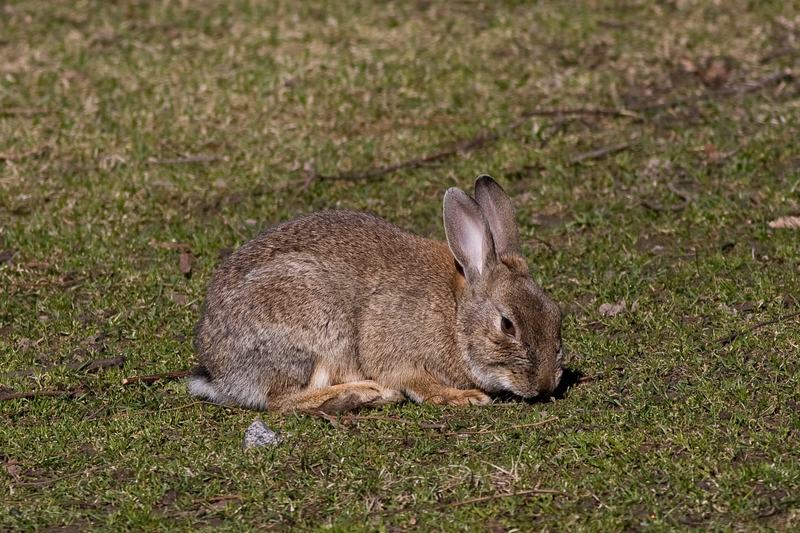
There is a word for it: binky. A happy rabbit will suddenly leap into the air, twist, kick its back legs out and land facing a new direction. No predator, no reason, just a small burst of delight. Anyone who has kept rabbits knows the feeling of watching a normally cautious animal fling itself sideways across the room. My kids would love this. Frankly, so do I.
They Warn Each Other by Thumping
When a rabbit senses danger, it thumps a back foot hard against the ground. The sound carries through the soil and the air, and other rabbits nearby freeze or bolt for the burrow. It is a proper alarm system, run without a single sound from the mouth. A thump means stop what you are doing and pay attention, which, as it turns out, is a message my classroom could also use.
They Really Do Breed Quickly
The phrase is earned. A female rabbit can be pregnant for about 31 days and produce several kits, and she can become pregnant again almost straight away. Rabbits also ovulate in response to mating rather than on a fixed cycle, which keeps the numbers climbing. In good conditions one pair can become a great many rabbits in a single year. Which, fair enough, is how they conquered so much of the world.
Frequently Asked Questions
How long do rabbits live?
Wild rabbits usually live only one or two years because of predators and disease. Pet rabbits, kept safe and well fed, often reach eight to twelve years. Good diet, space to move, and companionship all help a domestic rabbit reach the higher end of that range.
Are rabbits rodents?
No. Rabbits are lagomorphs, a separate group that also includes hares and pikas. The clearest difference is dental: rabbits have a second small pair of upper incisors behind the front ones, which rodents do not have. They are cousins, not the same family.
Why do rabbits eat their droppings?
Rabbits produce soft droppings called caecotrophs that are rich in nutrients their gut did not absorb the first time. By eating these, usually at night, they get a second chance at the vitamins and protein in their food. It is a normal and necessary part of their digestion.
Do rabbits make good pets?
They can, but they are more work than people expect. Rabbits need space to hop, hay to keep their teeth worn down, company, and regular handling to stay calm. They are prey animals by nature, so they need patience and gentleness rather than constant cuddling.