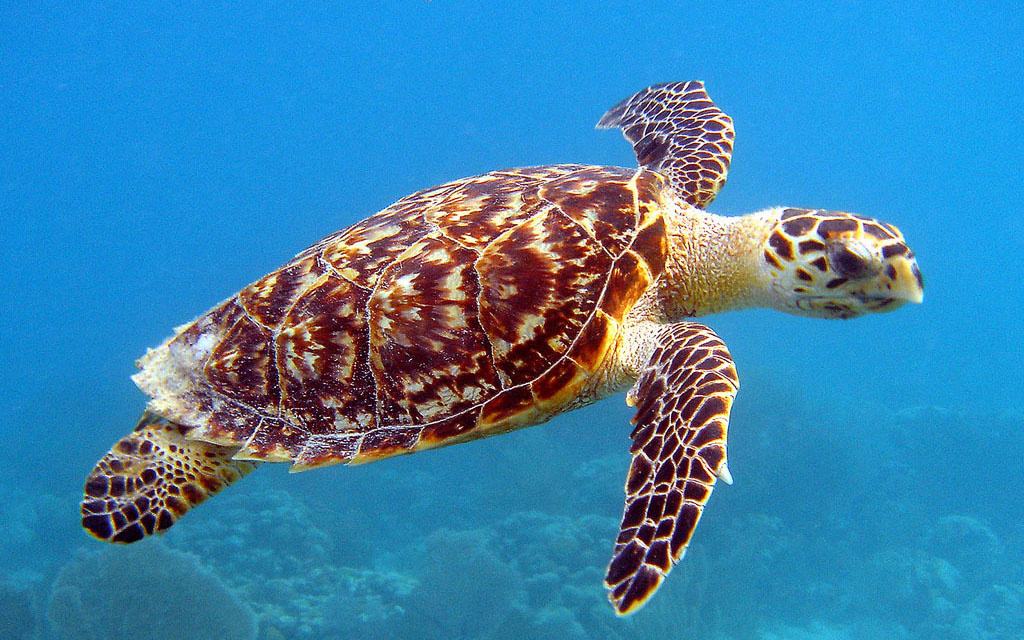
If you ask my Year 4 class what a turtle keeps inside its shell, they picture a little animal that could, in theory, climb out and go for a walk. It cannot. The shell is not a house. It is the turtle, worn on the outside, and once you know that, everything else about these animals gets a lot stranger.
The Shell Is Actually Its Skeleton
A turtle's shell is not armour it wears over a body. It is the body. The upper shell, the carapace, is made of around 50 fused bones, including the ribs and part of the spine [1]. So a turtle cannot leave its shell any more than you could step out of your own ribcage. When a cartoon shows an empty turtle shell with the turtle standing beside it, that is, biologically speaking, a crime scene.
Turtle, Tortoise, Terrapin
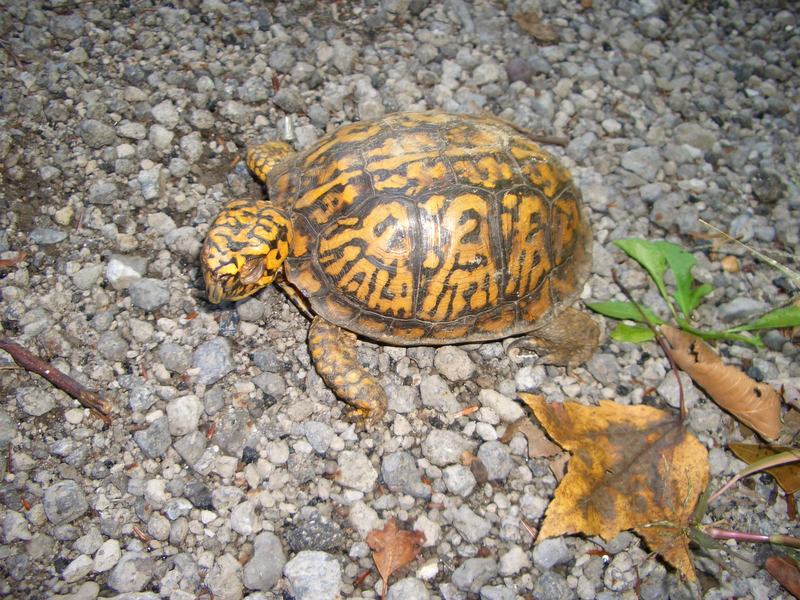
Here is the tidy version. "Turtle" is the big umbrella word for the whole group. Tortoises are the ones built for dry land, with stumpy elephant-ish feet. Terrapins live in the brackish in-between. So every tortoise is a turtle, but not every turtle is a tortoise [2]. My class find this deeply unfair, and I understand why.

Older Than the Dinosaurs Left Standing
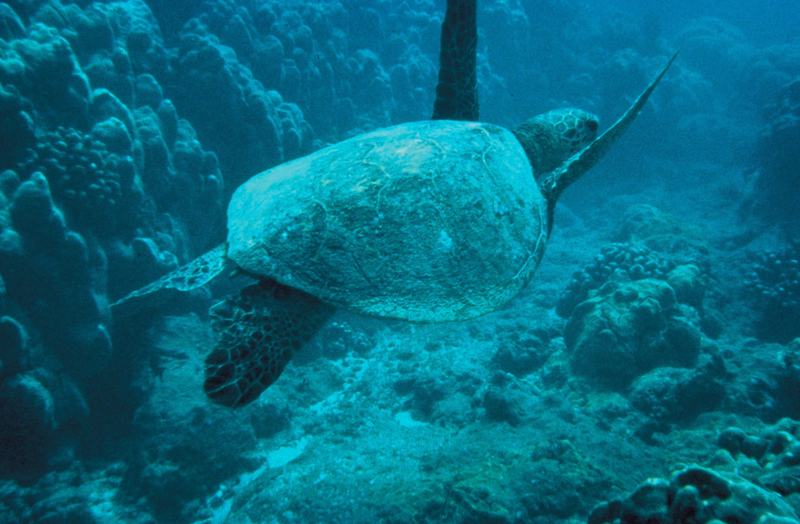
Turtles have been shuffling about for well over 200 million years [2]. That means the basic turtle design was already sorted while some of the famous dinosaurs had not yet turned up, and it carried on, unbothered, after most of them left. The shape works. When something has kept the same coat for 200 million years, you stop calling it old-fashioned and start calling it correct.
No Teeth, Just a Very Good Beak
Not a single turtle has teeth. Instead they have a hard, sharp-edged beak, a bit like a bird's, and they use it to slice, crush, or grip depending on the menu [2]. Sea turtles that eat jellyfish have spiky projections down their throats to keep the slippery things heading the right way. It is grim, and my kids love it.
Warm Sand Makes Girls, Cool Sand Makes Boys
Turtles do not have sex chromosomes deciding things at conception. The temperature of the sand around the eggs does it instead. For sea turtles, warmer nests produce mostly females and cooler nests produce mostly males, with the pivot sitting around 29 degrees Celsius [3]. The saying scientists use is "hot chicks, cool dudes", which is either helpful or unforgivable, depending on your mood. It also means a warming climate quietly tilts whole beaches female.
Some Turtles Breathe Through Their Bottoms
I need you to sit down for this one. Several freshwater turtles can take in oxygen through their cloaca, the all-purpose opening at the rear end, by drawing water across tissue rich in blood vessels [4]. This lets them stay underwater for astonishing stretches, even sleeping through cold months at the bottom of a pond without surfacing. It is, technically, breathing through your bum. Nobody warned me about this.

The Leatherback Dives Deeper Than a Submarine
The leatherback is the giant of the family. It can pass 2 metres in length and weigh up to about 900 kilograms, which is roughly a small car [1]. It regularly dives below 1,000 metres chasing jellyfish, and one tagged turtle was recorded at 1,344 metres, deeper than any other turtle and deeper than most naval submarines dare go [1]. All that from an animal with no bony shell at all, just tough, ridged, leathery skin.
They Find One Beach Across a Whole Ocean
A female sea turtle will often return to nest on the very beach where she hatched, years later and thousands of miles away. The leading explanation is that turtles read the Earth's magnetic field like a map, picking up the unique magnetic signature of their home stretch of sand and steering back to it [5]. They do this across open ocean, with no landmarks, no signposts, and no help. And yet.
Why a Green Turtle Is Not Very Green
The green sea turtle is not named for its shell, which is usually brownish. It is named for the greenish colour of the fat under its shell, a tint it gets from a life spent grazing on seagrass and algae [5]. It is one of the few sea turtles that turns largely vegetarian as an adult. So the name describes a part of the turtle you would very much hope never to see.
Frequently Asked Questions
Can a turtle live outside its shell?
No. The shell is fused to the turtle's spine and ribs and is part of its skeleton, so the animal cannot be separated from it and survive. A turtle is not hiding inside a shell; the shell is built from its own bones.
What is the difference between a turtle and a tortoise?
All tortoises are turtles, but not all turtles are tortoises. "Turtle" covers the whole group, while "tortoise" refers to the land-dwelling species with rounded, stumpy feet. Turtles that swim well and have flippers or webbed feet are usually not called tortoises.
How long do turtles live?
Many turtles are remarkably long-lived. Larger tortoises can pass 100 years, and some individuals have reached over 150. Even smaller species like box turtles can live for several decades, often outlasting the humans who first found them.
Do turtles really breathe through their rear ends?
Some freshwater turtles can. They absorb oxygen from water through blood-rich tissue in the cloaca, their rear opening, which helps them stay submerged for long periods. Sea turtles and land tortoises breathe with lungs and must surface or stay above water for air.