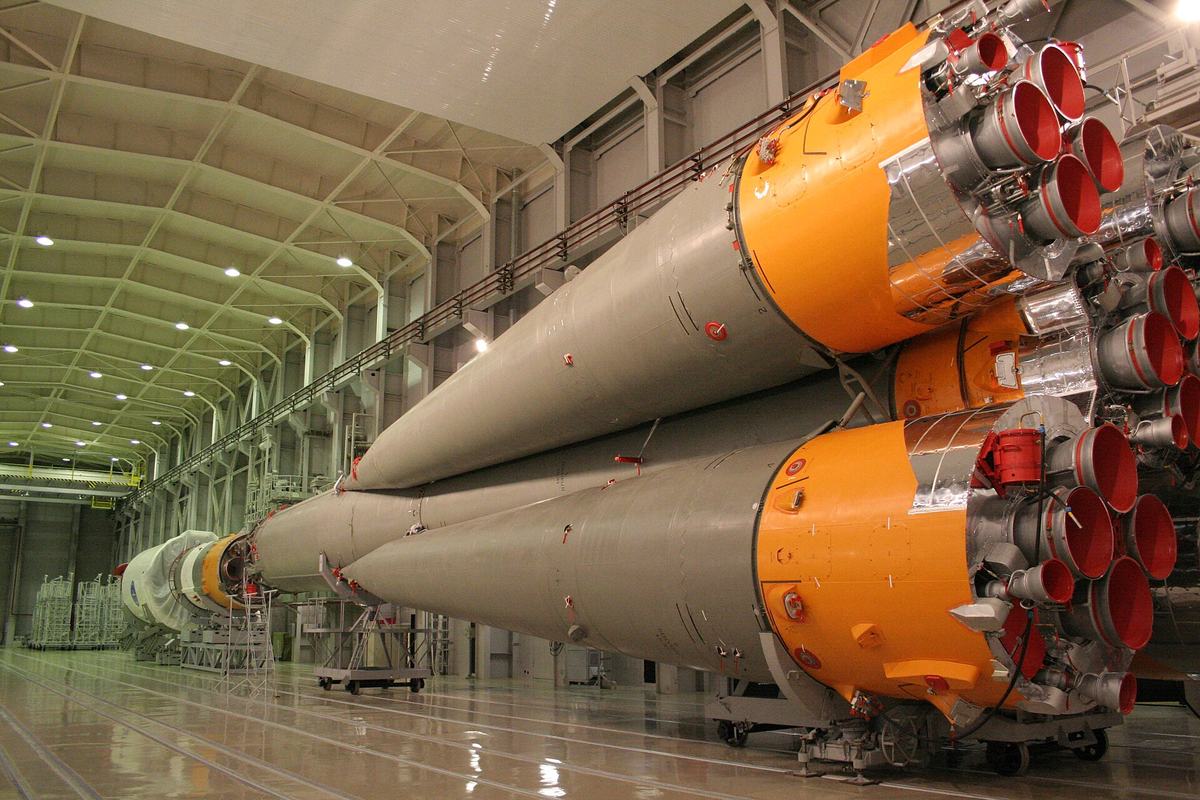
A rocket is named after a sewing bobbin. The word comes from the Italian rocchetto, meaning spool, because early versions looked like the spindle-shaped bobbins used to wind thread. It is a strange origin story for a machine that ended up carrying humans past the atmosphere.
At its core, a rocket is simple: an elongated vehicle that burns fuel it carries with it to accelerate, without needing any surrounding air. That single design choice is what separates a rocket from a jet, and it is the reason rockets can fly where jets cannot: through the vacuum of space, where a rocket's engine actually performs better than it does at sea level.
The rocket's story runs far longer than the Space Age. It stretches back through Chinese arsenals, Indian battlefields, Russian log cabins and German missile bunkers before it ever left the atmosphere on purpose. Here is how a spool-shaped firework became a spacecraft.

Not a Jet With a Better Marketing Team
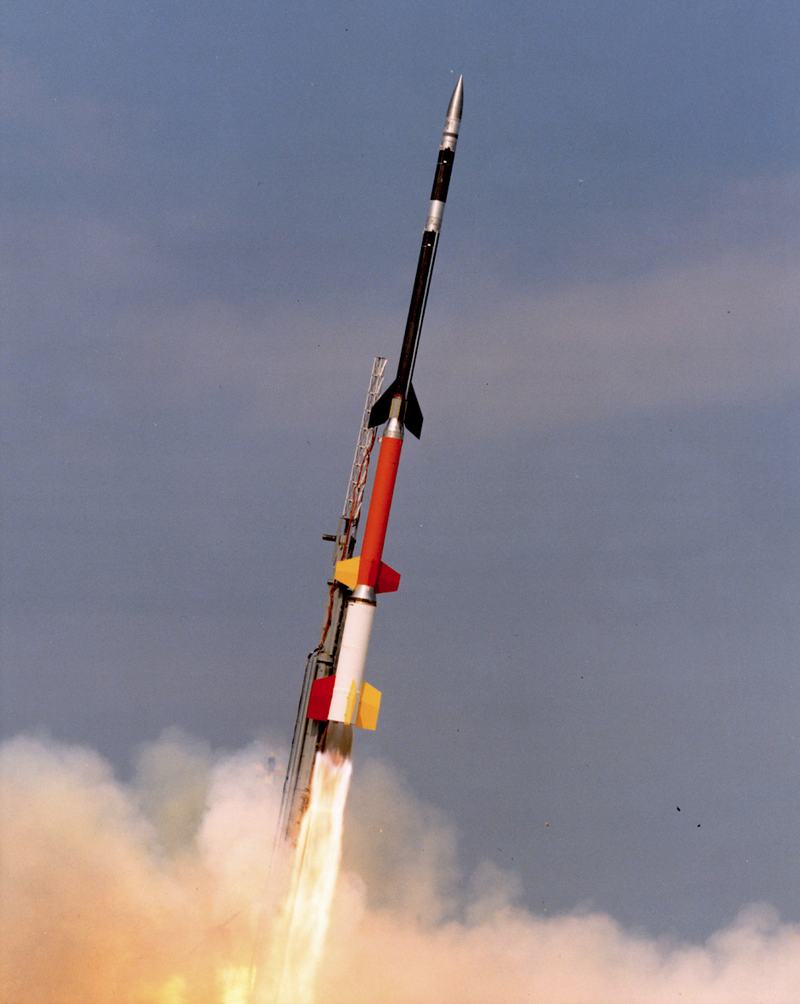
Jet engines breathe. They pull oxygen from the surrounding air and mix it with fuel to burn. A rocket instead packs both the fuel and the oxidizer into its own body, so it never needs to inhale anything. That single difference is what lets a rocket fly through the emptiness of space, where there is no air to breathe in the first place.
The counterintuitive part is what happens to performance once the air disappears. Rocket engines do not just tolerate the vacuum, they actually operate more efficiently there than inside the atmosphere. Anything designed to work well on the ground turns out to work even better once it leaves it, which is backwards from almost every other kind of engine humans have built.
Born in Song Dynasty China
Rockets built for war and celebration go back to at least the 13th century in China, making the rocket one of the oldest weapons still in active use today, just aimed somewhere far more ambitious now. According to the historian Joseph Needham, the Song dynasty navy already had rockets organized enough to use them in a documented military exercise in 1245.
That date matters because it means gunpowder rockets were a standing part of a state military's toolkit centuries before Europe had any equivalent, with their origin as a naval and battlefield tool sitting firmly in Song China.
The Dragon That Fired From the Water
Modern rockets almost always fly in stages, shedding empty fuel tanks as they climb so the vehicle keeps getting lighter and faster. That idea is not a 20th-century invention. A 14th-century Chinese military manual called the Huolongjing describes a device called the "fire-dragon issuing from the water," which is the oldest known multistage rocket, built for use by the Chinese navy.
The name alone hints at the design logic: a rocket meant to look like it burst from underwater, using one stage to get moving and a second to keep going, the same staged logic that every multistage rocket built since has followed in one form or another.

Iron Cases From an Indian Kingdom
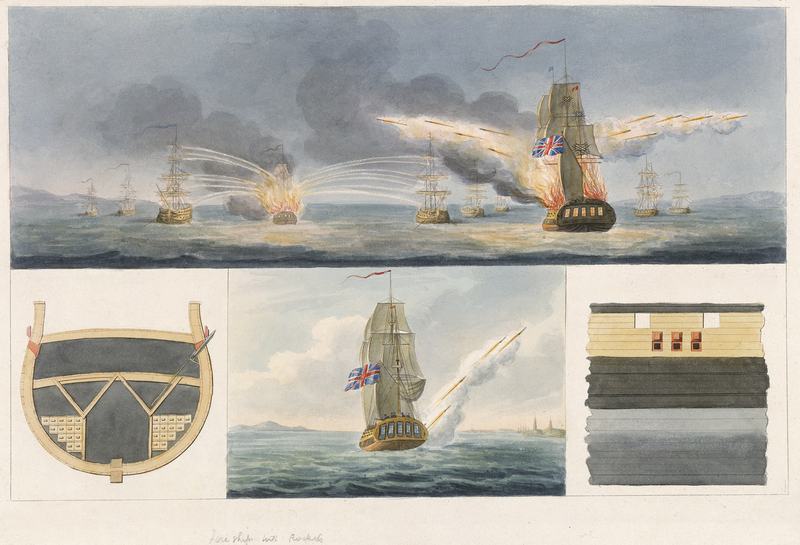
For centuries after the first Chinese rockets, most rocket bodies were made of paper or thin metal that could rupture under pressure. That changed in the late 18th century, when the Kingdom of Mysore, under the rule of Hyder Ali, built the Mysorean rockets, the first successful iron-cased rockets in history.
An iron casing let a rocket hold higher internal pressure without failing, which meant more thrust and more range. When the design later reached Britain, it inspired the Congreve rocket program, whose largest model, the 32-pound Carcass, carried a stick 15 feet long just to keep it flying straight. An Indian battlefield innovation had, within a generation, become a fixture of European artillery.
A Greek Idea Two Thousand Years Too Early
The oldest known device to demonstrate the basic principles behind rocket flight was not a weapon at all. Around 400 BC, the Greek Pythagorean Archytas built a wooden bird, suspended it on wires, and propelled it along them using steam as the driving force.
It went nowhere near space, and nobody built on the idea for a very long time. But the underlying principle, that expelling a jet of gas in one direction pushes an object in the other, is exactly what every chemical rocket engine still relies on today. Archytas arrived at it long before anyone had gunpowder to try it with.
The Man Who Designed Spaceflight on Paper
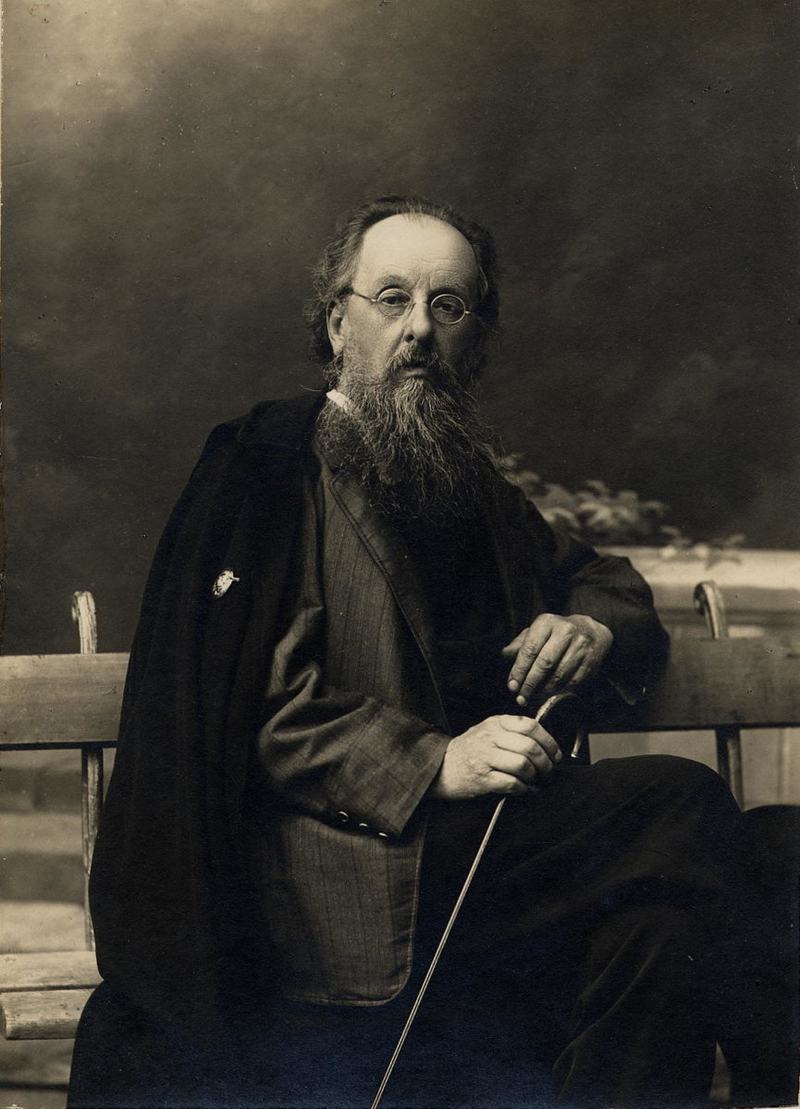
Long before any rocket left the atmosphere, a schoolteacher in provincial Russia worked out the mathematics of how one eventually could. Konstantin Tsiolkovsky is considered the father of spaceflight, and he was also the first person to conceive of the space elevator, an idea he arrived at in 1895 after seeing the newly built Eiffel Tower.
His most important paper, on exploring space with rocket-powered devices, appeared in May 1903, decades before any government had the engineering or the money to test his equations. He worked out the physics of orbital rocketry using little more than a chalkboard, in a country that would not launch anything into orbit for another half-century.

A Weapon That Reached Space by Accident
The first rocket to leave the atmosphere on purpose was designed to destroy cities, not explore them. Launching the test flight MW 18014 on 20 June 1944, the V-2 crossed the Karman line and became the first human-made object ever to reach space.
That milestone came in the middle of a bombing campaign. Starting that September, the Wehrmacht fired over 3,000 of these missiles at Allied cities, hitting London first, then Antwerp and Liege. The same engineering that first touched space was, at the time, a tool for terror, a grim reminder that rocketry's military and scientific paths have never been fully separate.
Why Rockets Come in Sections
Staging is not just a historical curiosity from the Huolongjing, it is still the working principle behind reaching orbit. Between 1948 and 1950, engineers tested the RTV-G-4 Bumper series at White Sands, then later Cape Canaveral, building the first high-speed multistage rockets of the modern era. One of them reached an altitude of 393 kilometres over White Sands on 24 February 1949, the greatest height any rocket had reached there.
The physics behind staging is straightforward: dropping dead weight partway through flight lets the remaining engines accelerate a lighter vehicle. The first stage of the Saturn V, for instance, had to lift the entire mass of everything above it, and still managed a mass ratio of about 10 and a specific impulse of 263 seconds, numbers that show why engineers keep chasing the lightest possible stage that still holds together.
Squeezing Every Joule Out of the Exhaust
A rocket engine's dry structure, everything left over once the propellant is gone, is often only 5 to 20% of the vehicle's total launch mass. That sliver of hardware, not the fuel it carries, is what ends up dominating a rocket program's cost, because building tanks and engines that are both light and strong is far harder than filling them with propellant.
Getting the most out of that hardware comes down to the nozzle. Rocket nozzles use near-adiabatic, high expansion ratio shapes that cool and accelerate the exhaust gas, reaching an energy efficiency of up to 70%. Fuel choice matters too: hydrogen and oxygen together deliver the highest specific impulse of any chemical propellant combination in use, but hydrogen's density is only about one-fourteenth that of water, so engines burning it need larger, heavier turbopumps that cut into the thrust-to-weight ratio, a tradeoff visible when comparing an engine like the RS-25 against a denser-fuelled design like the NK-33.
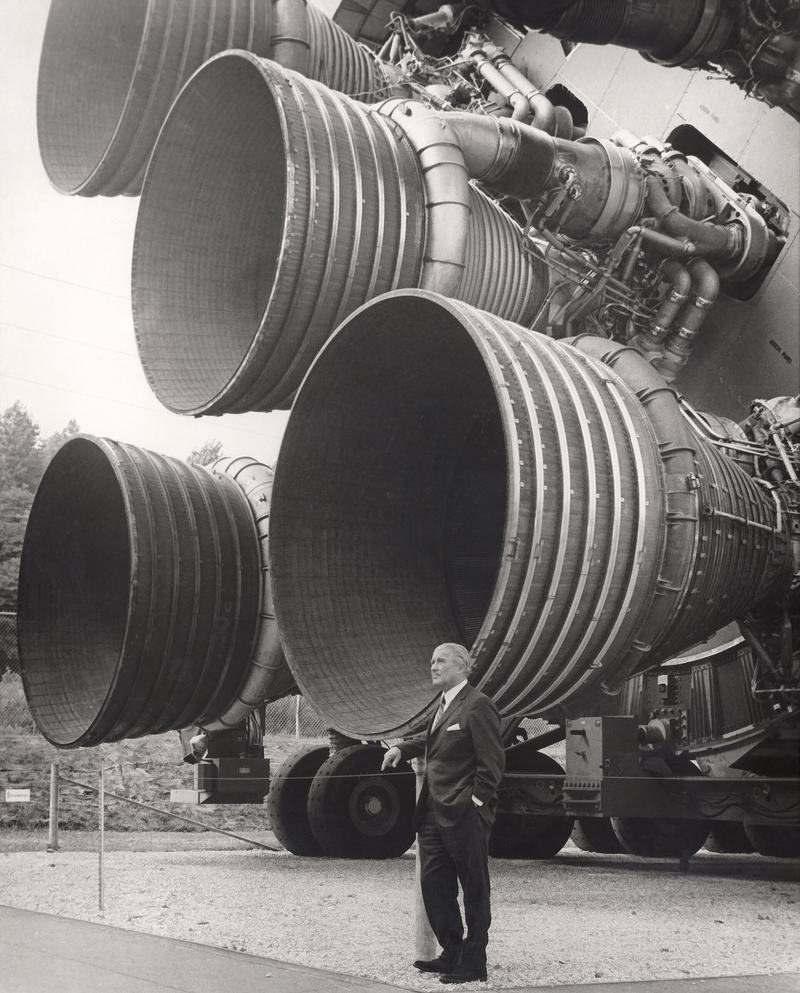

None of these compromises have gone away in a century of rocketry. Every launch is still a negotiation between how much dead weight a vehicle can shed, how efficiently its nozzle can shape the exhaust, and how dense a fuel it dares to burn, the same tradeoffs a Chinese arsenal officer and a Russian schoolteacher were already circling long before any of it had a name in English.