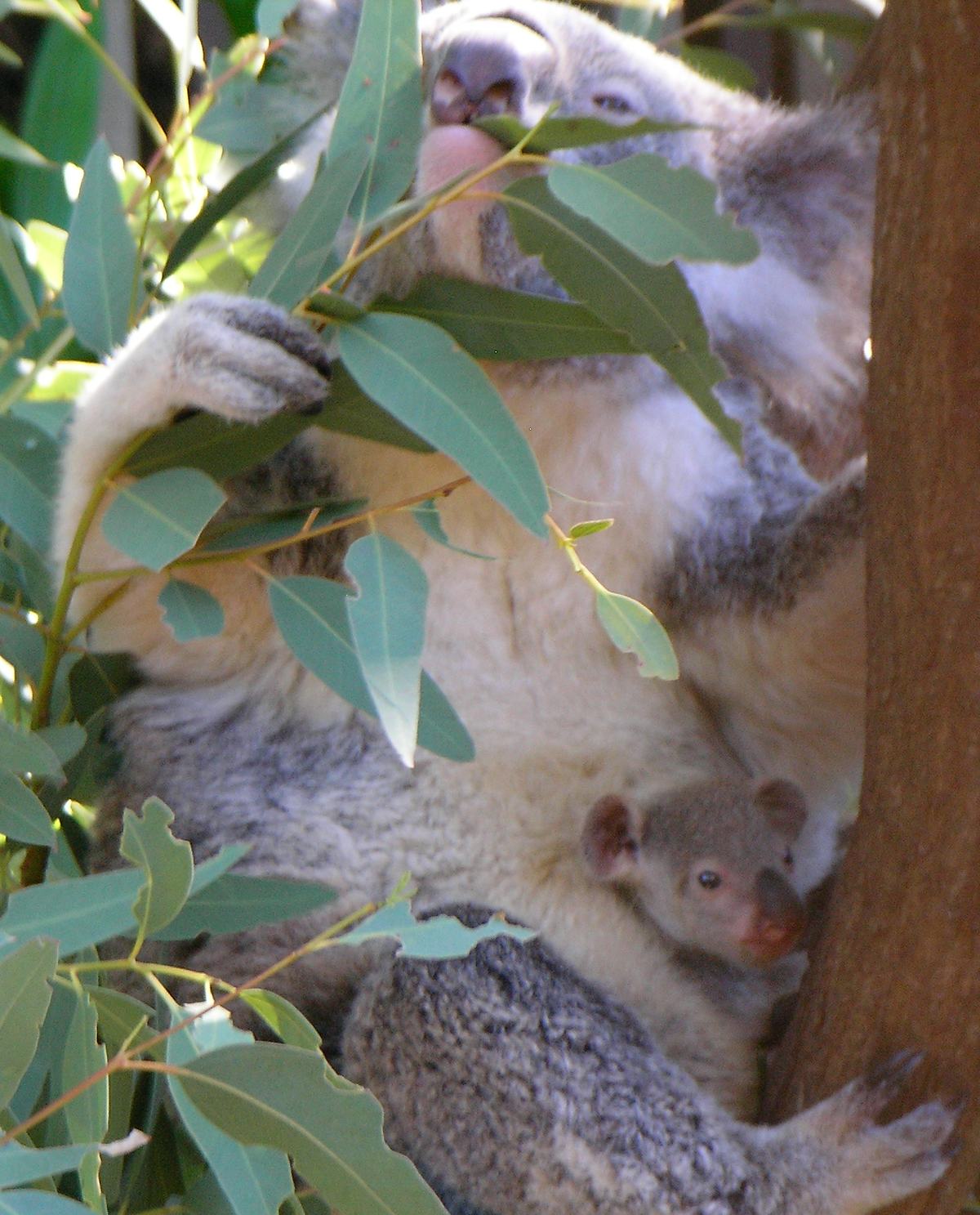
If you asked my Year 4 class to name an Australian bear, every hand would go up. And every hand would be wrong. The koala is not a bear at all. It is a marsupial, closer kin to a wombat than to anything in a honey pot. It sleeps most of the day, eats leaves that would poison the rest of us, and grips branches with a paw that has two thumbs. Let me introduce you properly.
Not a Bear at All
The name 'koala bear' has stuck for over a century, and it is wrong every time. Koalas are marsupials. They carry their young in a pouch, the way kangaroos and wombats do, and the wombat is in fact their nearest living relative. Early British settlers saw a round, grey, tree-climbing animal and reached for the word 'bear'. Fair enough, I suppose. But a koala has far more in common with the thing digging up your garden than with a grizzly.
Champion Sleepers
A koala sleeps for 18 to 22 hours a day. That is not laziness. It is budgeting. Eucalyptus leaves give back very little energy, so a koala spends most of its time sitting still and quietly digesting, wedged in a fork of the tree. My class found this deeply unfair, given their own bedtimes. When a koala is awake, it is usually eating. The rest is a long, contented doze, several metres off the ground.
A Diet of Poison
Eucalyptus leaves are toxic to most animals. They are tough, low in nutrition, and laced with oils and compounds that would make you or a dog quite ill. Koalas eat around half a kilo to a kilo of them a day and shrug it off. A long gut and a special population of bacteria break the leaves down and neutralise the toxins. Koalas are also fussy, favouring a handful of eucalyptus species out of hundreds. A picky eater with a cast-iron stomach.

How Joeys Learn to Eat
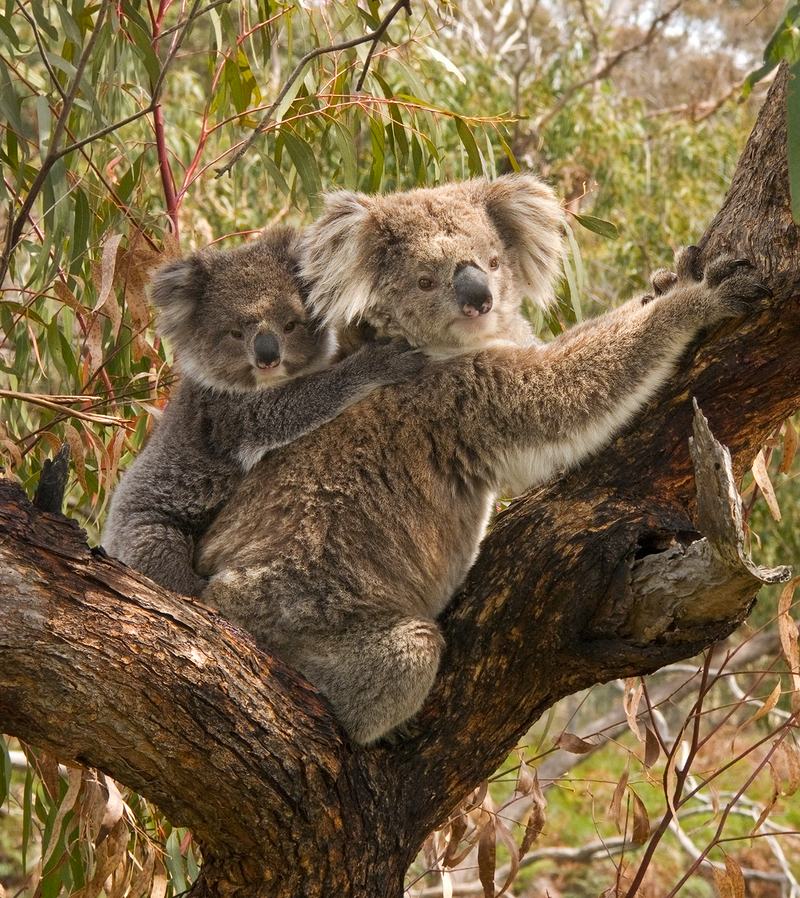
A koala joey is born pink, blind, and about the size of a jellybean. It crawls into the pouch and stays there for roughly six months. Here is the part nobody warned me about. To digest eucalyptus, the joey needs the right gut bacteria, so it eats a special runny substance from its mother called pap. Pap comes out of the same end you are now imagining. Unappetising to us, essential to a koala. It is how the microbes get passed on.

Fingerprints Like Ours
Koalas have fingerprints. Not something like fingerprints. Actual looping, whorling ridges so close to human ones that under a microscope even experts struggle to tell them apart. This is strange, because our nearest relatives, the great apes, are far more closely related to us than a koala is, yet koala prints are the dead ringers. Scientists think the ridges evolved separately, to help the animal grip and judge leaves. So in theory, a koala could muddle a crime scene. (Yes, really.)
Two Thumbs on Each Hand
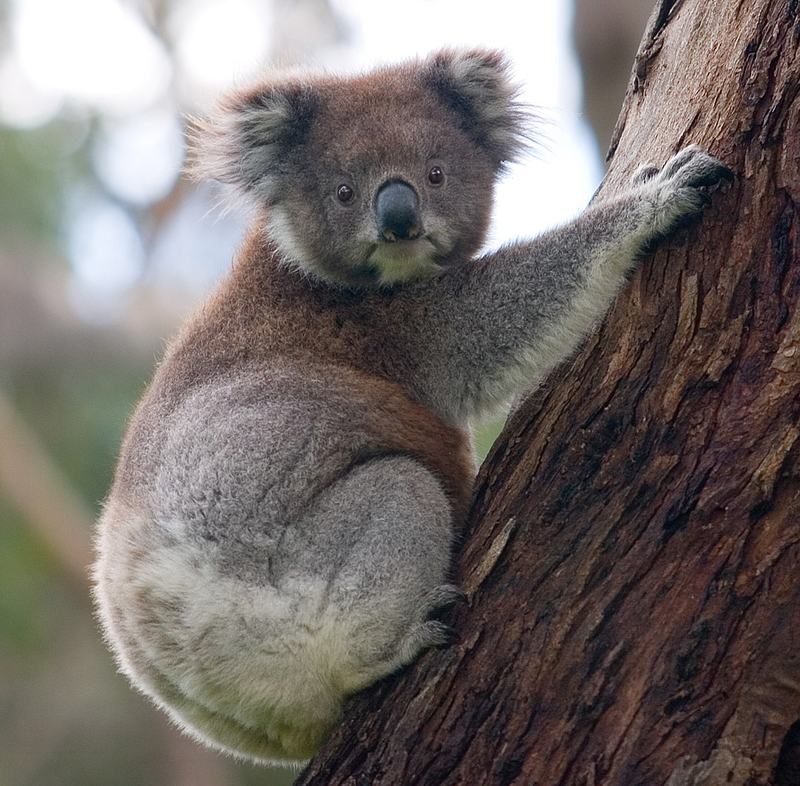
A koala's front paw has five digits, and two of them work as thumbs. That gives it a firm, pincer-like grip for hauling itself up smooth trunks and holding a bunch of leaves steady. The back paws help too, with a fused pair of toes that works as a built-in grooming comb. Everything about the animal is built for one job, which is staying in a tree and rarely leaving it. Most koalas will happily live their whole lives among a few favourite trees.
The Bellow of the Males
For an animal this sleepy, a male koala makes a startling noise. During breeding season he lets out a deep, grunting bellow, a sound far larger than the animal producing it. It carries through the forest, telling rivals his size and telling females he is around. The first time I heard a recording, I assumed it was something enormous. It was a stone or so of grey fluff in a gum tree. Somehow the smallest looking things make the biggest sound.
Why Koalas Are in Trouble
In 2022 the koala was listed as endangered across Queensland, New South Wales, and the Australian Capital Territory. The reasons stack up: land clearing removes the trees they depend on, roads and cars take a heavy toll, and a widespread disease called chlamydia causes blindness and infertility in many populations. Bushfires have made things worse. None of this is the koala's fault, and much of it is fixable, mostly by leaving their forests standing. My class had strong opinions about that.
Frequently Asked Questions
Are koalas bears?
No. Koalas are marsupials, not bears. They carry their young in a pouch and are most closely related to the wombat. The term 'koala bear' comes from early settlers who thought the animal resembled a bear, but the two are not related.
What do koalas eat?
Koalas eat eucalyptus leaves almost exclusively, around half a kilogram to a kilogram each day. The leaves are toxic and low in energy for most animals, but koalas have a specialised gut that breaks them down safely. They tend to favour only a few of the many eucalyptus species.
Why do koalas sleep so much?
Koalas sleep 18 to 22 hours a day to conserve energy. Their eucalyptus diet provides very little nutrition, so they rest for long periods to save calories while their slow digestion does its work. Staying still and high in the trees also keeps them safe.
Are koalas endangered?
Yes. In 2022 koalas were listed as endangered in Queensland, New South Wales, and the Australian Capital Territory. The main threats are habitat loss from land clearing, vehicle collisions, bushfires, and a common disease called chlamydia that affects many wild populations.
Do koalas really have fingerprints?
Yes. Koalas have fingerprints with looping ridges remarkably similar to human ones, so alike that experts can struggle to tell them apart under a microscope. The ridges are thought to have evolved independently to help koalas grip branches and handle leaves.