If you ask a class of eight-year-olds to name the biggest animal that ever lived, someone always shouts "dinosaur". It is a very good guess. It is also wrong. The biggest animal ever, as far as we know, is alive right now, swimming about in the cold parts of the ocean and eating things smaller than your fingernail. Here are a few things about whales that tend to stop a room.
Bigger Than Any Dinosaur
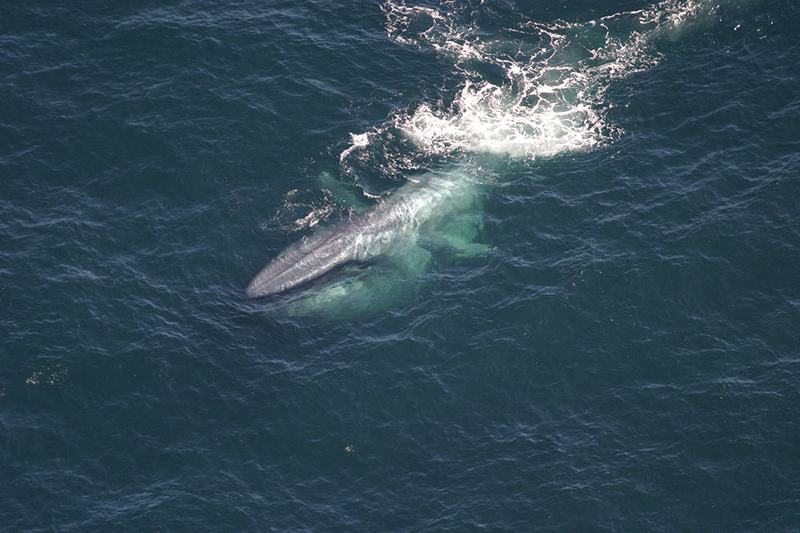
The blue whale is the largest animal known to have existed, heavier than any dinosaur we have dug up. It can reach around 30 metres long and weigh up to roughly 150 tonnes [1]. That is about the length of three buses parked nose to tail, and the weight of perhaps 25 elephants. All of that grew from a single feed of krill, which are shrimp barely longer than a paperclip. Somehow.
A Heart the Size of a Small Car
A blue whale's heart is genuinely enormous. One preserved specimen weighed about 180 kilograms, which is heavier than most fridges [2]. When I told my Year 4 class the heart alone could outweigh the lot of them added together, they went quiet, which almost never happens. The blood vessels are wide enough that, in the biggest whales, a child could theoretically crawl through the largest of them. (Nobody has tried. Please do not.)

They Breathe Air, Like Us
Whales are mammals, not fish. They breathe air through a blowhole on top of the head, and they must surface to do it [3]. A fish would drown in air. A whale drowns in water if it cannot get up for a breath. They also feed their calves milk, which is the sort of detail that quietly rearranges how a child pictures the whole ocean.
Half a Brain at a Time
A whale cannot simply fall fully asleep, because it would forget to surface and breathe. So it rests one half of its brain at a time, keeping the other half awake to come up for air [3]. One eye often stays open too. As it turns out, sleeping with one eye open is not just an expression - some whales manage it every single night.
The Ones With Teeth, and the Ones Without
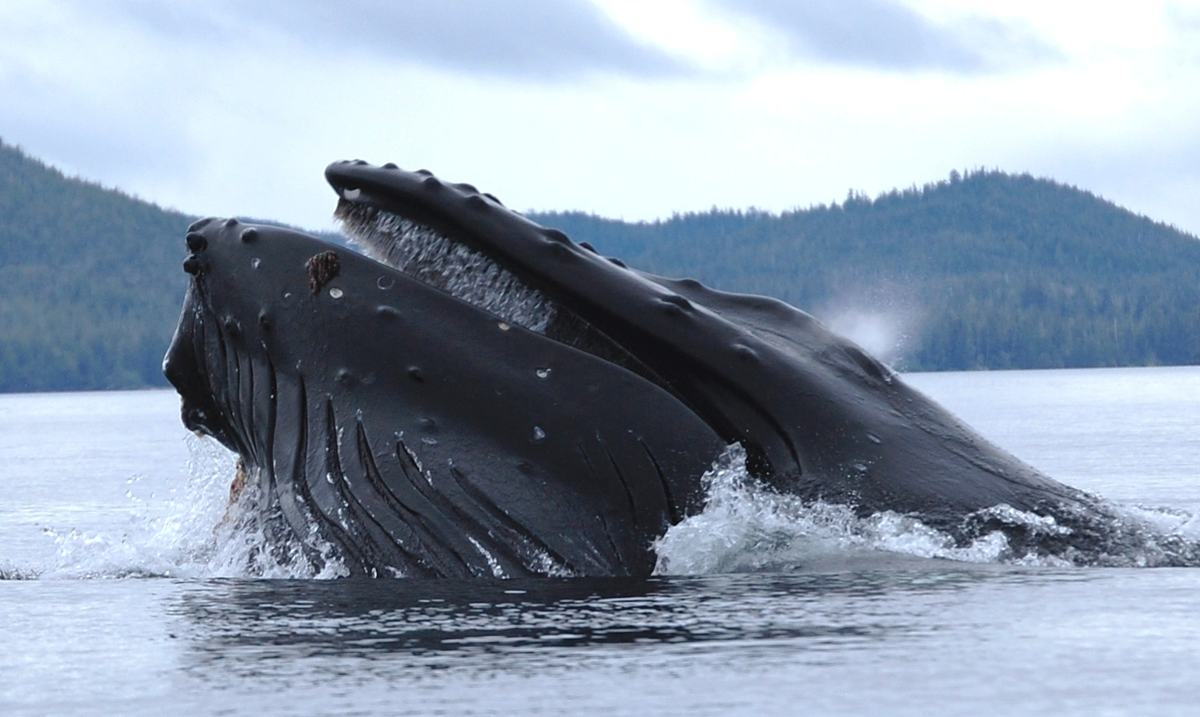
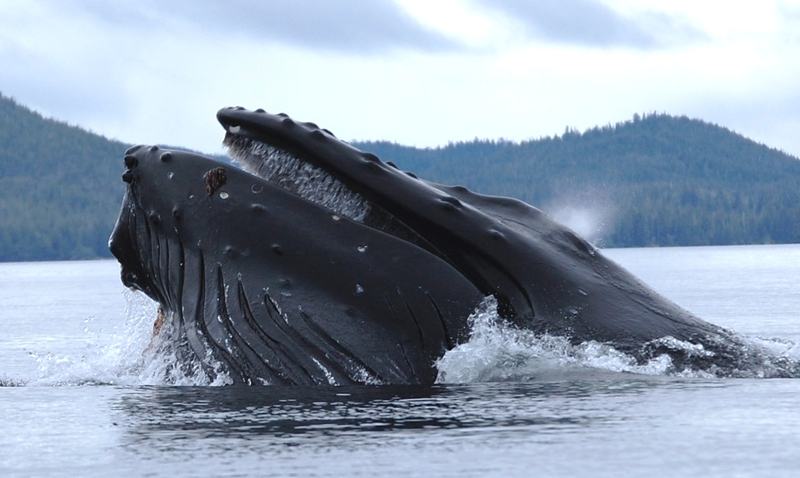
Whales split into two camps. Toothed whales, like the sperm whale, hunt squid and fish. Baleen whales, like the blue and the humpback, have no teeth at all. Instead they have baleen: fringed plates of keratin, the same stuff as your fingernails, hanging from the upper jaw [4]. They gulp huge mouthfuls of water and push it back out, and the baleen catches the food. A big blue whale can eat several tonnes of krill in a day [1].

Male Humpbacks Actually Sing
Male humpback whales sing long, patterned songs that can last many minutes and repeat for hours [5]. The remarkable part is that all the males in one population sing more or less the same song, and that song slowly changes over the season. New versions spread from one group to another across the ocean, a bit like a tune everyone suddenly starts humming. Which, fair enough, is more than most of us manage in the shower.
Some Whales Live Past 200
The bowhead whale is thought to be the longest-lived mammal on Earth. Studies of eye tissue, and old stone harpoon tips found lodged in living whales, suggest some bowheads live more than 200 years [6]. That means a whale swimming today could have been born before the light bulb was invented. It was quietly getting on with things while the whole of modern history happened above the waves.

One of the Longest Migrations
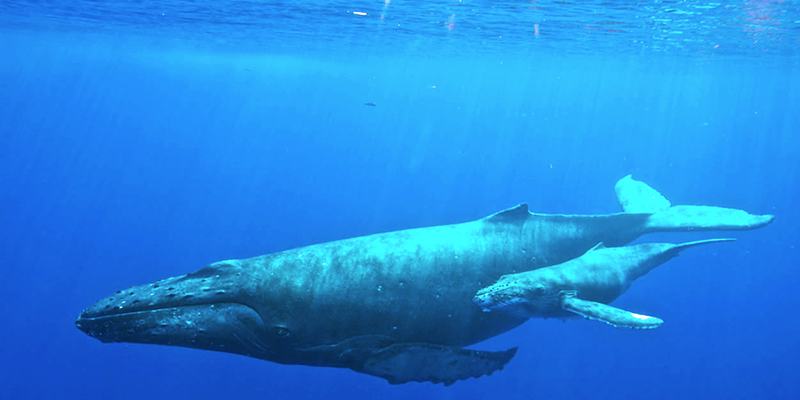
Humpback whales make some of the longest migrations of any mammal, swimming up to around 8,000 kilometres between cold feeding grounds and warm breeding waters [5]. They do this without maps, motorway signs, or a single service station. They feed all summer in one hemisphere, then travel halfway across the planet to have their calves in the warm, and back again. Every year. Nobody warned me quite how far that is.
Frequently Asked Questions
Are whales fish?
No. Whales are mammals. They breathe air through a blowhole, give birth to live young, feed their calves milk, and are warm-blooded. Fish breathe underwater through gills and lay eggs. Whales evolved from land mammals that returned to the sea millions of years ago.
What is the biggest whale?
The blue whale is the biggest, reaching about 30 metres long and up to roughly 150 tonnes. It is the largest animal known to have ever lived, heavier than any dinosaur. Its main food is krill, a tiny shrimp-like creature only a few centimetres long.
How long can whales hold their breath?
It varies by species. The sperm whale, a deep-diving toothed whale, can hold its breath for around 90 minutes on long dives. Most baleen whales surface far more often, usually every few minutes to fifteen minutes, depending on what they are doing.
Do whales really sing?
Yes, male humpback whales produce long, structured songs. All males in a population sing a similar song that gradually changes over time. Scientists still debate exactly why they sing, but it is linked to breeding and communication rather than navigation.