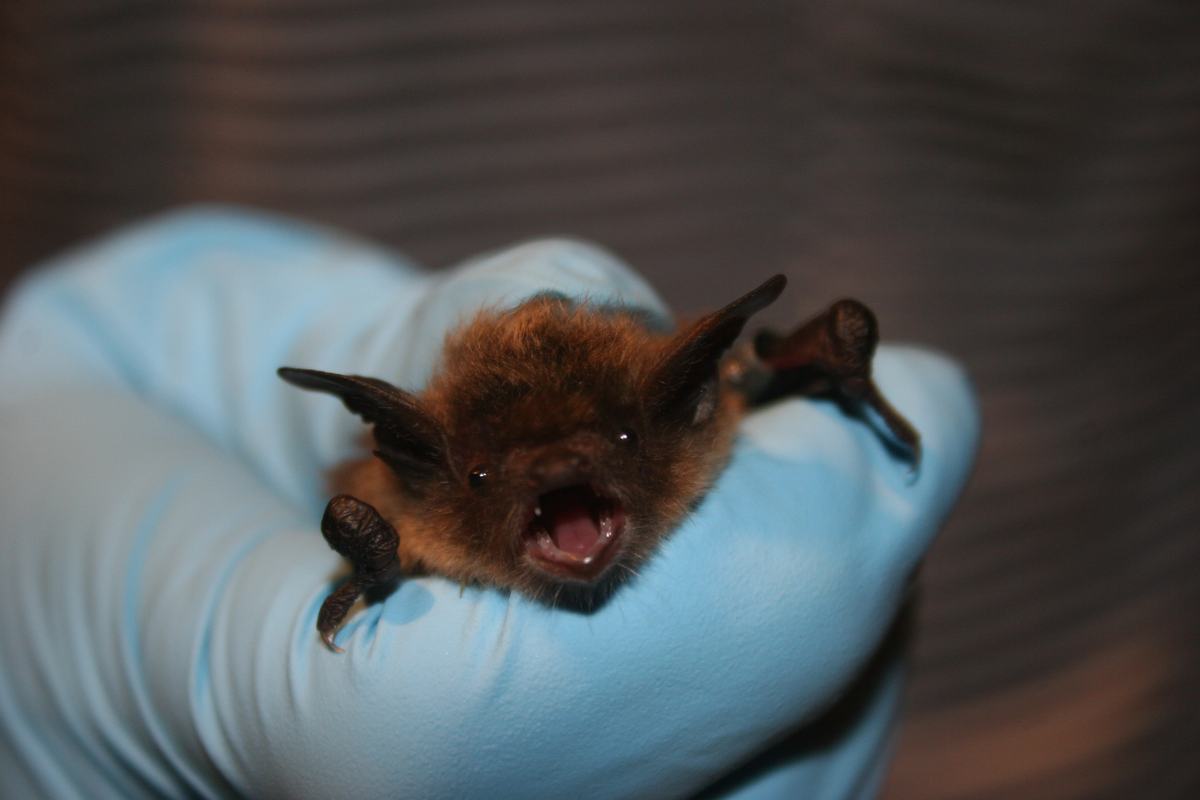
Ask my Year 4 class what a bat is and someone always says "a flying mouse". It is a fair guess and completely wrong. Bats are not rodents, they are not birds, and they are certainly not blind. They are the only mammals that have ever managed real flight, they can hunt in total darkness, and one small brown one can eat its own body weight in insects on a good night. There is a great deal going on after dark.
The Only Mammals That Truly Fly
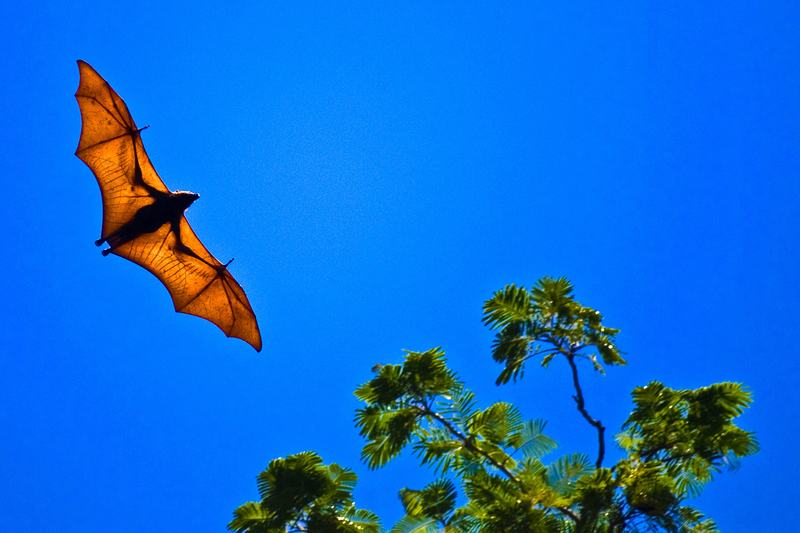
Plenty of mammals glide. Flying squirrels, sugar gliders, and the like launch themselves and parachute down. Bats are the only ones that actually fly, flapping and climbing under their own power. A bat's wing is a hand. The long thin struts holding the skin open are finger bones, stretched and joined by a thin flap of skin called the patagium. The scientific name for the group, Chiroptera, means "hand wing". Next time one passes overhead, you are watching a mammal fly on its fingers.
Seeing With Sound
Most bats hunt by shouting. A bat gives out a stream of high-pitched clicks, far too high for us to hear, then listens for the echoes bouncing back. From those echoes it builds a picture of the world precise enough to catch a moth in mid-air or dodge a wire in the dark. Scientists call it echolocation. Some bats can detect something as fine as a human hair. It is sonar, more or less, running live inside a creature the size of a plum.
Not Actually Blind
"Blind as a bat" is one of those phrases that refuses to die. It is also wrong. Every bat can see, and the big fruit bats have large eyes and excellent vision, better than ours in low light. The small insect-eating bats lean on echolocation because it works brilliantly in the pitch dark, not because their eyes have failed. Think of it as having both a torch and a map, and sensibly choosing the map at midnight. Which, fair enough.

A Fifth of All Mammals
Here is the fact that stops my class dead. There are more than 1,400 known species of bat. That is over a fifth of all the mammal species on Earth, which makes bats the second largest group of mammals after the rodents. They live on every continent except Antarctica. So when someone says "a bat", they could mean any one of well over a thousand very different animals, from a tiny insect-hunter to a fox-faced fruit eater the size of a small cat.
The Smallest Mammal Is a Bat
The smallest mammal in the world is a bat. Kitti's hog-nosed bat, also called the bumblebee bat, weighs about two grams, roughly the same as a five-pence coin, and would sit comfortably on your thumb. At the other end, the largest flying foxes have wingspans reaching about 1.7 metres, wider than many adults are tall. Same order of animals, wildly different builds. My kids struggle to believe they are even related.
Hanging Upside Down Is Effortless
A roosting bat hangs head down by its feet, and it costs the animal almost nothing. The tendons in a bat's toes are arranged so that its own weight pulls the claws shut. It does not grip. It simply dangles, locked in place, until it decides to let go. This is why bats can hang while they sleep, groom, and even after they die. Hanging up high also lets them drop straight into flight, rather than take off from the ground, which their legs manage poorly.
.jpg)
The Ones That Drink Blood
Vampire bats are real, and I promise they are less dramatic than the films. Of more than 1,400 species, exactly three feed on blood, and they all live in Latin America. A vampire bat makes a small nick with its teeth and laps, it does not suck, while a substance in its saliva keeps the blood from clotting. That substance is charmingly named draculin. Stranger still, these bats will share a meal, bringing food up for a hungry roost-mate who went without.
Gardeners of the Night Sky
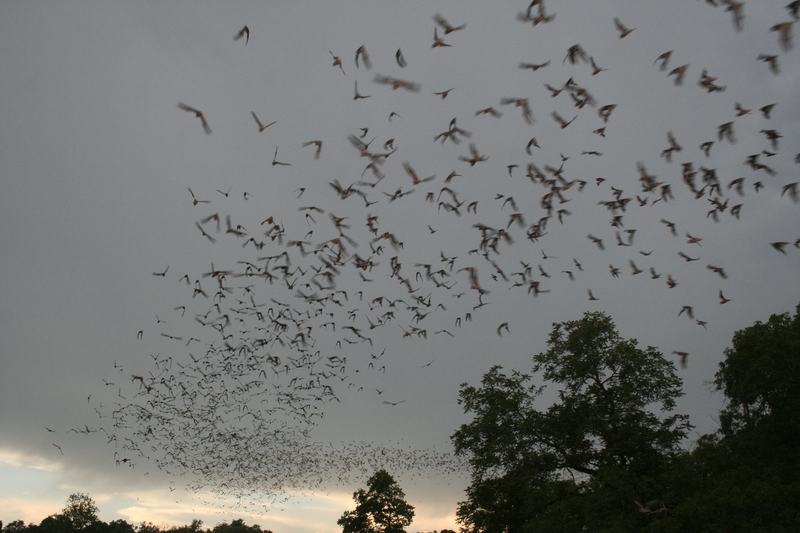
Bats do an enormous amount of unpaid work. Insect-eating bats hoover up mosquitoes and crop pests by the thousand, with a single little brown bat taking hundreds of insects in an hour. Fruit and nectar bats pollinate and spread the seeds of hundreds of plants, including the agave used to make tequila. If you have enjoyed a summer evening with fewer midges, or indeed a margarita, there is a decent chance a bat had a hand in it.
A Disease Called White-Nose
Not all the news is cheerful. Since 2006 a fungal disease called white-nose syndrome has swept through bat populations in North America, killing many millions. The fungus grows on hibernating bats and rouses them in winter, so they burn through the fat they need to survive until spring. Several once-common species have collapsed. It is a quiet disaster, and because bats raise very few pups, they recover slowly. The most useful thing most of us can do is leave roosts well alone.
Frequently Asked Questions
Can bats really fly, or do they glide?
Bats can genuinely fly. They are the only mammals capable of true, powered flight, flapping wings made from skin stretched over elongated finger bones. Gliding mammals such as flying squirrels only parachute between trees. A bat can climb, turn, and hover under its own power, which no other mammal can do.
Are bats blind?
No. All bats can see, and fruit bats have particularly good eyesight, especially in low light. Smaller insect-eating bats also use echolocation, a form of biological sonar, to hunt in the dark. They rely on sound because it is effective at night, not because they cannot see.
Do all bats drink blood?
No. Only three of the more than 1,400 bat species feed on blood, and all three live in Latin America. The rest eat insects, fruit, nectar, pollen, or small animals such as frogs and fish. Vampire bats also lap blood rather than suck it.
Are bats dangerous to humans?
Most bats pose little threat and avoid people entirely. Like many wild mammals they can occasionally carry diseases such as rabies, so you should never handle a bat with bare hands. If you find an injured one, contact a local bat charity or wildlife rescue for advice.