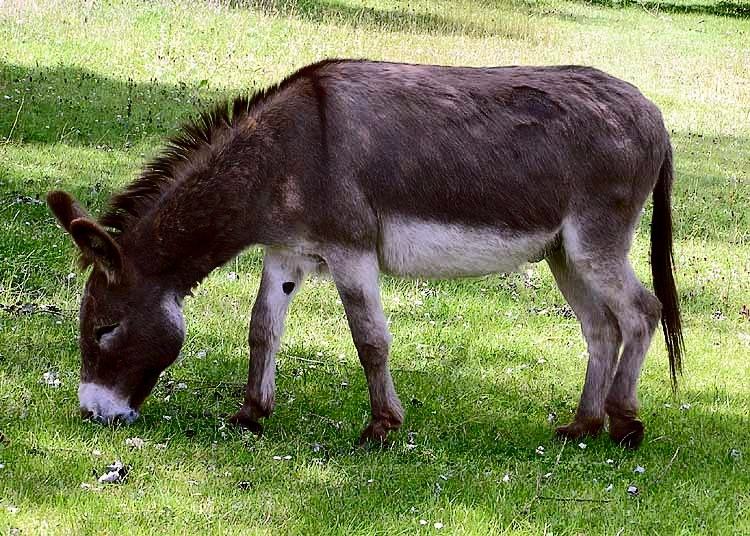
If you asked my Year 4 class to describe a donkey, someone would say "stubborn" before I finished the question. It is the first word everyone reaches for. It is also, as it turns out, mostly wrong. A donkey that won't move is not being difficult. It is doing maths. And the maths says no.
They Were Tamed in Africa
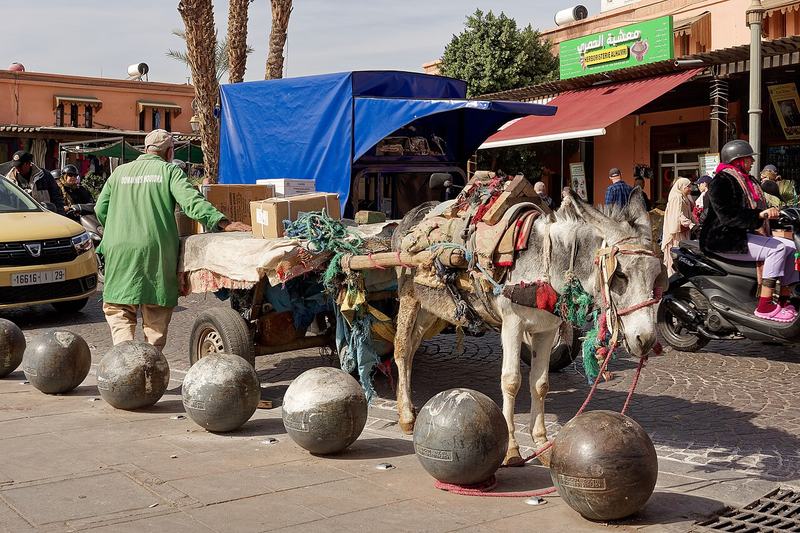
Donkeys were domesticated around 5,000 to 7,000 years ago, most likely in northeast Africa from the African wild ass [1]. That makes them one of our oldest working partners, older than the written alphabet. Before roads, before wheels were common, a donkey carried the load. Whole trade routes across deserts ran on their backs. Not bad for an animal we mainly remember from nativity plays.
Stubborn Is the Wrong Word
Here is the fact that changed my mind. A donkey planted firmly on the spot is not being awkward. It is refusing to do something it thinks is unsafe [2]. Horses bolt when frightened. Donkeys freeze and assess. So when a donkey stops at a stream, it is not sulking. It is checking the depth. Honestly, more of us could use that instinct.

Those Ears Are Doing a Job
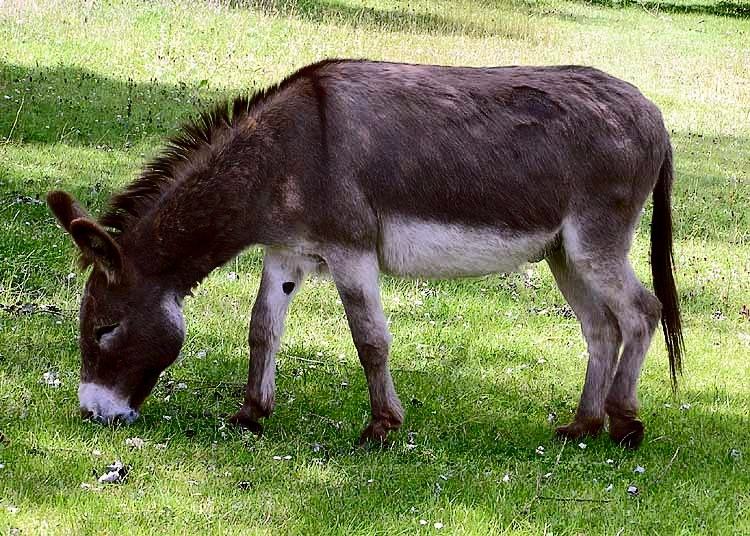
A donkey's ears are gloriously large, and not for decoration. The extra surface helps them hear across long distances, useful for an animal whose ancestors lived spread out across dry, open country [1]. In hot climates the ears also help shed heat, working a bit like a radiator. So the ears keep them cool and keep them connected. Two jobs, no complaints.
A Bray You Can Hear for Miles
The classic "hee-haw" is not just noise. A donkey's bray can carry for around three kilometres across open ground [3]. The wild ancestors lived at low densities, so a call that travels helps a donkey stay in contact with distant company. Each donkey's bray is also distinctive, a bit like a voice. My kids would love this. (I have not told them. The classroom is loud enough.)
They Bond, Hard
Donkeys form strong, lasting attachments to a companion, often another donkey they have known for years [2]. Separate a bonded pair and both can become genuinely distressed, going off their food and calling out. Sanctuaries take this seriously and try to keep pairs together. It is a soft fact hiding inside a tough-looking animal. And yet it explains a lot about their reputation for sulking.

Surprisingly Good Guards
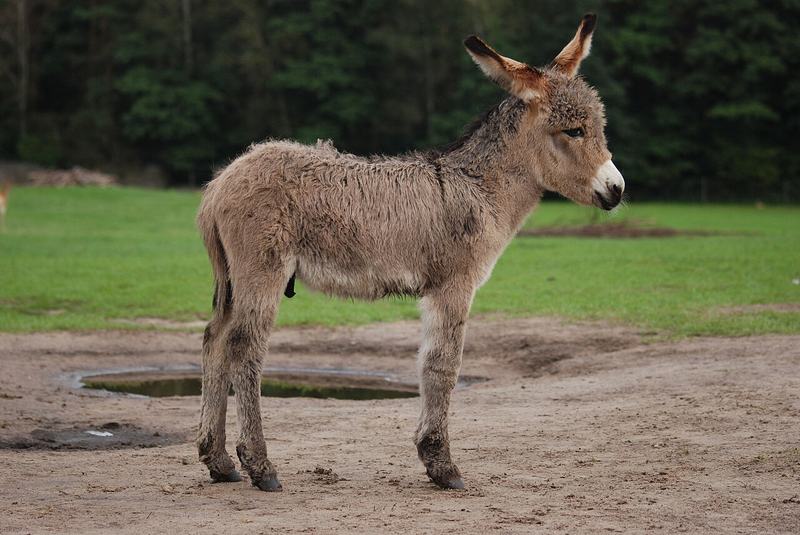
Because donkeys are alert and will confront a threat rather than flee, farmers use them to guard flocks of sheep and goats [4]. A donkey will chase off foxes and stray dogs, braying and kicking, standing between the danger and the herd. It sounds unlikely until you remember they freeze and face things down. The very trait we call stubborn is the one that makes them useful shepherds.
Built for Dry Country
The donkey's wild ancestors lived in deserts, and it shows. Donkeys handle heat and scarce water far better than horses, and can eat tough, fibrous plants that a horse would turn down [1]. This is why they thrive in arid regions where other livestock struggle. A donkey is, in effect, a low-maintenance engine that runs on thistles. Which, fair enough.

A Donkey Is Not a Small Horse
They look related, and they are, but a donkey is its own species [1]. Cross a donkey with a horse and you get a mule, which is almost always sterile. Donkeys have longer ears, a different call, tougher feet, and a completely different temperament. Where a horse reacts, a donkey considers. Same family, very different personality. Somehow that feels right.
Frequently Asked Questions
Are donkeys actually stubborn?
Not really. What looks like stubbornness is caution. Rather than bolt from something frightening, a donkey stops and assesses whether it is safe. If it decides no, it refuses to move. This strong self-preservation instinct is a feature of the species, not bad behaviour.
How long do donkeys live?
Donkeys are long-lived, commonly reaching 25 to 30 years or more with good care, longer than most horses. Their desert-adapted, hardy constitution helps. A well cared for donkey in a sanctuary can comfortably become a pensioner, which surprises people who expect a shorter working-animal lifespan.
Can donkeys guard other animals?
Yes. Because donkeys confront threats rather than flee, farmers use single donkeys to protect flocks of sheep and goats. A guard donkey will bray, chase, and kick at foxes and stray dogs, placing itself between the predator and the herd it has bonded with.
Why do donkeys have such big ears?
Large ears help donkeys hear across the long distances their wild ancestors lived apart, and they help shed body heat in hot, dry climates. The wide surface area works like a radiator, so the ears keep a donkey both well informed and comfortably cool.