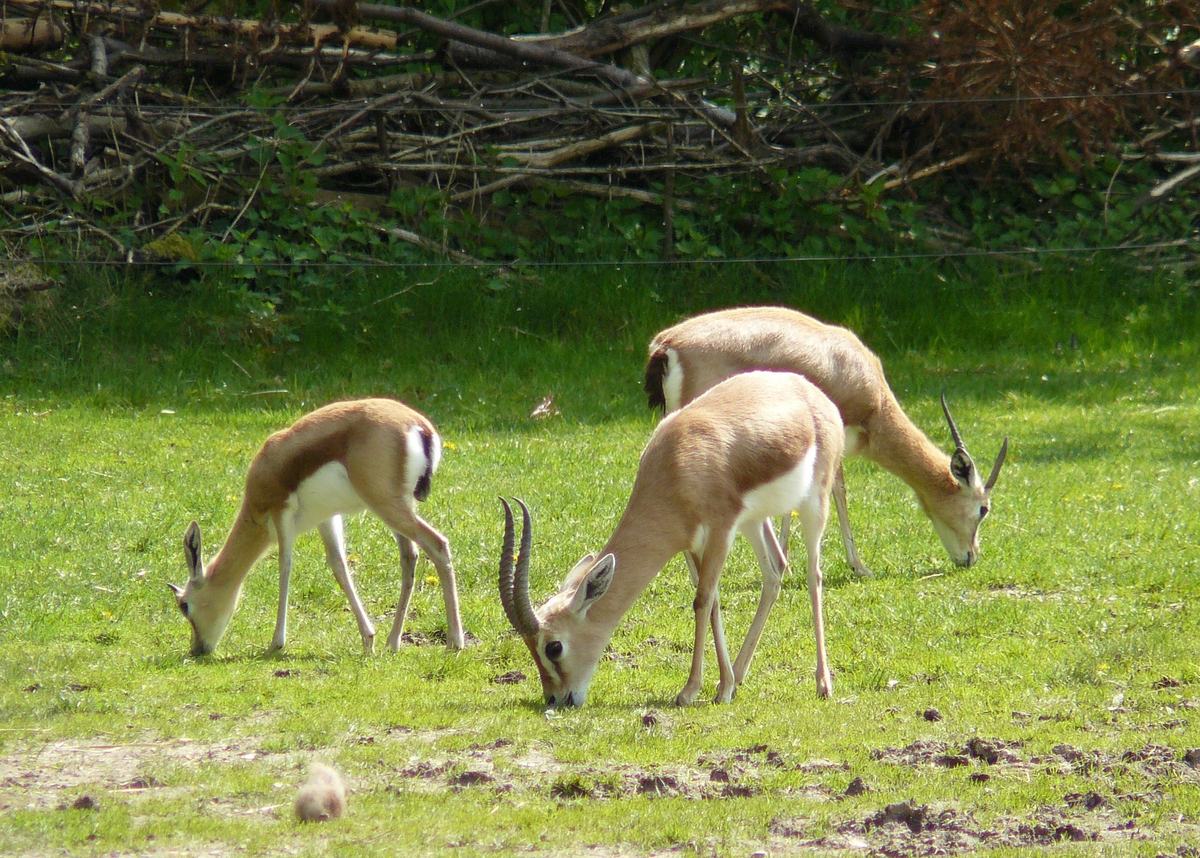
If you handed my Year 4 class a gazelle and a water bottle, they would assume the gazelle needed the bottle. Most of them do not. Several gazelle species can go almost their whole lives without taking a proper drink, pulling the water they need straight out of the leaves they chew. That is the sort of animal a gazelle is: quietly built for conditions that would flatten the rest of us.
A Name Borrowed From Love Poems
The word gazelle comes from the Arabic ghazal, which also names a form of lyric love poem [4]. For centuries, poets writing in Arabic and Persian used the long-legged, dark-eyed gazelle as shorthand for grace and beauty [4]. So the next time someone calls an animal elegant, remember the gazelle got there first, and got a whole poetic form named after it. (Not bad for a creature that spends most of its day chewing dry grass.)
Fourth-Fastest On Four Legs
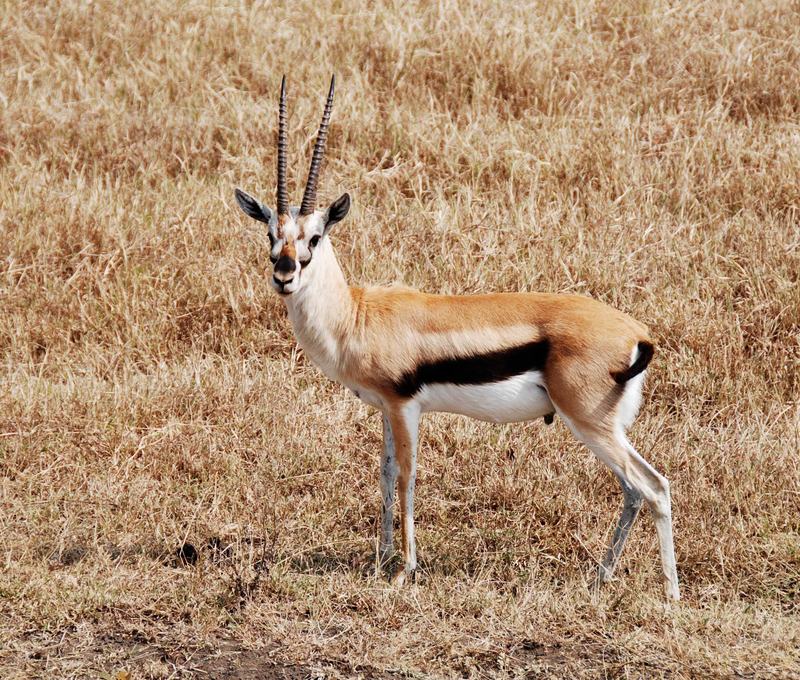
A Thomson's gazelle can hit around 90 kilometres an hour, which is roughly 55 miles an hour [1]. That makes it the fourth-fastest land animal, behind only the cheetah, the pronghorn and the springbok [1]. The clever part is stamina. A cheetah is quicker over a short burst, but it tires fast. A gazelle can keep going, and it corners far more sharply, which is often the difference between being lunch and getting away [1].

The Jump That Warns Predators
When a predator turns up, a gazelle sometimes does something odd. Instead of bolting, it springs straight up on stiff legs, all four feet leaving the ground at once. This is called stotting, or pronking [1]. It looks like showing off because, in a sense, it is. Scientists think the gazelle is sending an honest message: look how fit I am, do not bother chasing me [1]. Predators, more often than you would guess, take the hint and pick an easier target.
Not One Gazelle But Many
There is no single gazelle. The name covers more than a dozen species, split across three closely related groups: Gazella, Eudorcas and Nanger [5]. They range from the dorcas gazelle, small enough to make a Labrador look large, up to the bigger Grant's and Soemmerring's gazelles [5]. Most live in the hot, dry grasslands and deserts of Africa and Asia [3]. What they share is one basic design: a light frame, long legs, and a permanent readiness to leave in a hurry.
Surviving The Desert Without A Drink
Desert gazelles have a tidy trick for staying alive where there is almost no water. They pull moisture straight from the plants they eat, and their kidneys are unusually good at holding on to it [3][5]. Some, like the dorcas gazelle, can go for very long stretches without ever visiting a waterhole [3]. They will happily drink when water turns up. They simply do not fall apart when it does not, which is more than I can say for myself on a warm afternoon.

The Gazelle With A Honking Nose
Speke's gazelle keeps the strangest party trick. It can inflate a pouch of skin on top of its nose until it is about the size of a small apple, then let out a loud honk [2]. Males do it most in the breeding season, partly to impress females and partly to sound the alarm [2]. My kids would love this. A slight, deer-like animal with a built-in nose balloon that honks is exactly the sort of fact that survives a whole term.
Horns, And A Very Odd Throat
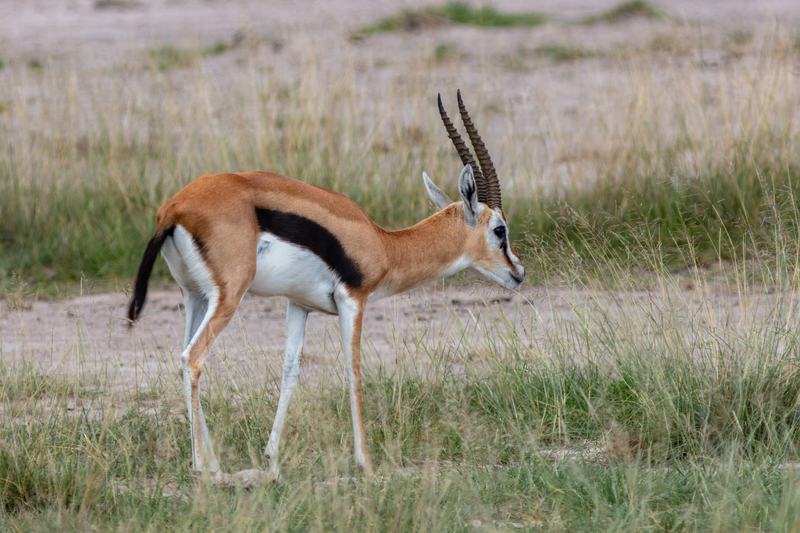
In many gazelle species both males and females grow horns, which is a little unusual. Most antelopes leave the females bare [1]. The horns are ringed and curve back in a gentle S shape. Then there is the goitered gazelle, named for the swelling on the male's throat. During the rut his larynx enlarges so much it bulges visibly, helping him call louder to rivals and mates [6]. Nature rarely does subtle when a bit of bravado will do.
Small, Fast, And Heavily Hunted
A gazelle spends its whole life on somebody's dinner plans. Cheetahs, lions, leopards, hyenas and wild dogs all hunt them, and eagles will take a fawn small enough to carry [1]. Newborns lie hidden and still in the grass for their first days, which works surprisingly well. The species gets by on numbers, speed and constant watchfulness. A grazing gazelle almost never keeps its head down for long. As it turns out, paranoia is a perfectly good survival plan.
Frequently Asked Questions
How fast can a gazelle run?
A Thomson's gazelle can reach about 90 kilometres per hour, or roughly 55 miles per hour, which makes it the fourth-fastest land animal after the cheetah, pronghorn and springbok. It cannot quite match a cheetah's top speed, but it has better stamina and turns more sharply.
Do gazelles need to drink water?
Many desert gazelles can survive long periods without drinking. They get most of their water from the plants they eat, and their kidneys are highly efficient at conserving it. They will drink when water is available, but several species can manage without it for a remarkably long time.
What is stotting?
Stotting, also called pronking, is when a gazelle leaps straight up with all four legs held stiff. It often does this when a predator is nearby. Researchers believe it signals the animal's fitness, effectively telling the predator it is too healthy and alert to be worth the chase.
Are gazelles a type of antelope?
Yes. Gazelles are a group of small to medium antelopes in the family Bovidae, found mainly across Africa and Asia. The name covers more than a dozen species in three related groups, including the Thomson's, dorcas and Grant's gazelles.
How long do gazelles live?
In the wild most gazelles live around ten to twelve years, though many die far younger because of predators. In protected reserves and zoos, where they are safe from hunting, they often live longer. Survival in the wild depends heavily on speed and constant vigilance.