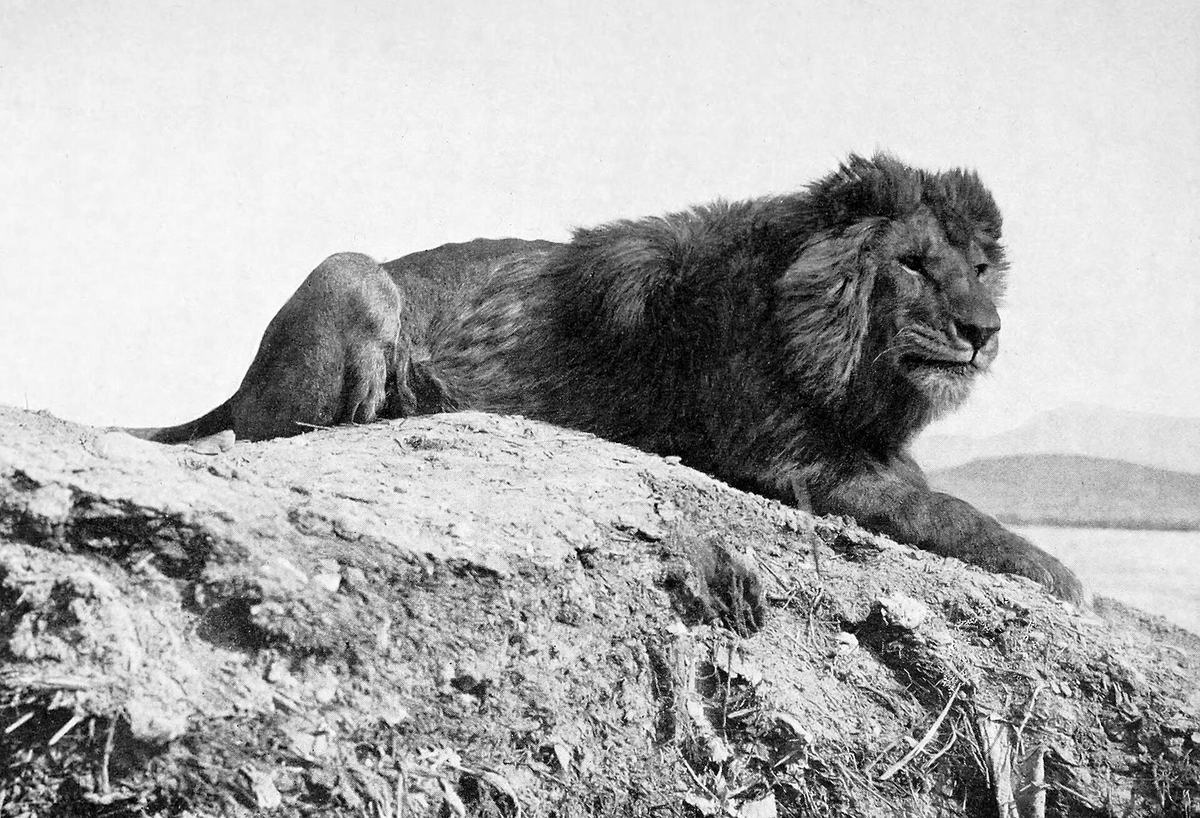
If you asked my Year 4 class which animal is the king of the jungle, every hand goes up, and every one of them says lion. I never quite have the heart to tell them that lions do not live in jungles. They live on grasslands and open scrub, mostly, and the crown is entirely our invention. But the truth about lions is stranger than the fairy tale, so here we are.
The Only Cat That Lives in Groups
Nearly every cat on Earth is a loner. Tigers, leopards, your neighbour's tabby - all happiest working alone. Lions are the exception. They live in prides, usually a handful of related females, their cubs, and a small band of males. A pride can be three lions or thirty. The females tend to stay in the pride they were born into for life, while the young males get pushed out to find their own. It is the closest thing the cat world has to a family.
A Roar You Can Hear Miles Away
A lion's roar is not just loud, it is engineered. Their vocal cords are flat and square rather than triangular, which lets them roar with less effort and far more volume. The result carries up to eight kilometres, roughly five miles, across open ground. They mostly roar at night, partly to warn off rivals and partly to keep the pride in touch across the dark. If you ever hear one in the wild, you feel it in your chest before your ears catch up.

The Mane Is a Health Report
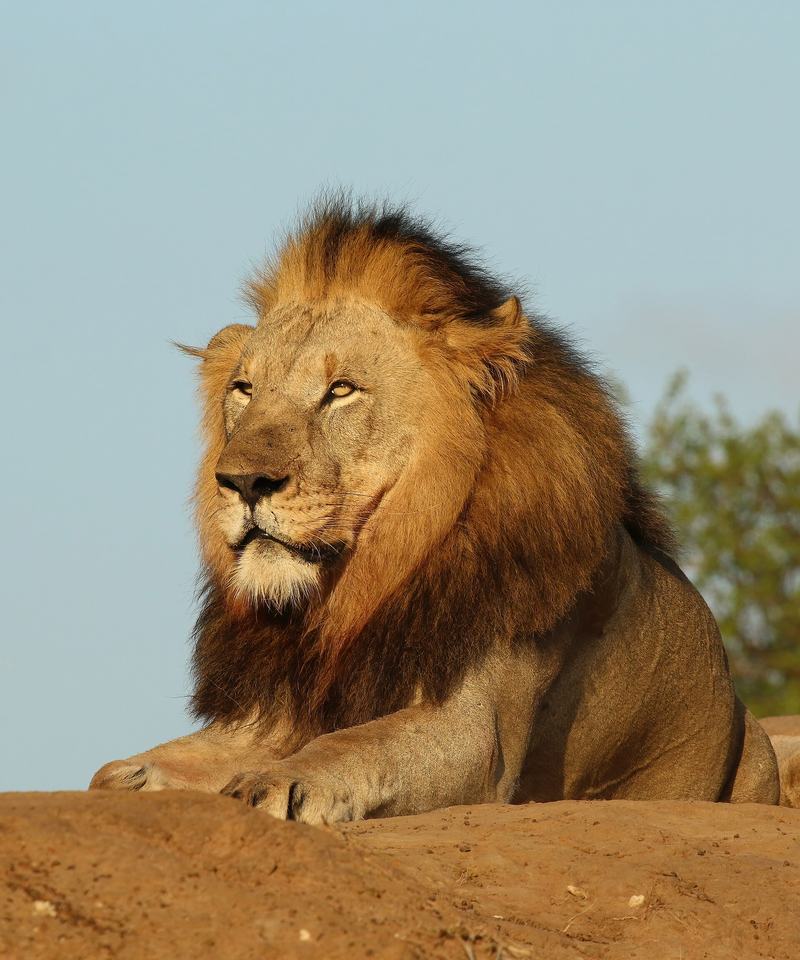
A male lion's mane is not just decoration. Its colour and size tell other lions exactly how strong he is. Research from the Serengeti found that lionesses prefer males with darker manes, and that rival males give them a wider berth. A dark, full mane signals good nutrition and high testosterone. It also comes at a cost, since all that hair makes hot days harder to bear, which is rather the point. Only a fit lion can afford to wear one.
The Lionesses Do the Hunting
The lazy king lounging while the females work is not far from the truth. In most prides the lionesses do the bulk of the hunting, and they do it as a team. Some circle wide to cut off the escape while others wait in cover. Working together lets them take on prey far larger than themselves, like buffalo and even young giraffe. The males usually turn up once the food is down, which my Year 4 class find deeply unfair.
Twenty Hours of Doing Very Little
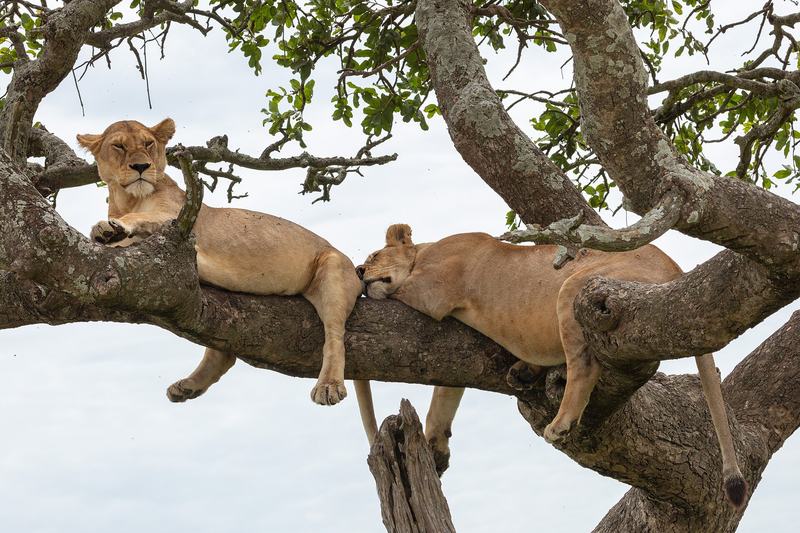
Lions are not built for stamina. They are built for one explosive burst, a sprint of up to eighty kilometres per hour that lasts only seconds. The rest of the time they conserve energy, which they do with real commitment. A lion can rest for up to twenty hours a day, dozing in shade or draped over a low branch like a dropped coat. As it turns out, being an apex predator mostly involves an enormous amount of lying down.

A Pride Raises Cubs Together
Lionesses in a pride often give birth around the same time, and then they pool the childcare. Cubs suckle from any nursing female in the group, not just their own mother, which gives them a better shot at surviving. Cubs are born with faint spots that fade as they grow up. Life is still hard, and many cubs do not reach their second birthday, but being raised by a whole pride rather than one mother tips the odds a little in their favour.
Lions Once Roamed Far Beyond Africa
We think of lions as African, and today almost all of them are. But not long ago they ranged across southern Europe, the Middle East, and all the way to India. Cave paintings in France show lions that prowled Ice Age Europe. Today a single population survives outside Africa, in the Gir Forest of western India, where a few hundred Asiatic lions hang on. They are the last of a range that once stretched across three continents.
Not Every Lion Is Golden
Every so often a lion is born pale cream, almost white. These white lions are not albino. They carry a rare recessive trait called leucism, which mutes the usual tawny colour without touching the eyes. They are famous around Timbavati in South Africa, where local stories treat them as sacred. In the wild the pale coat gives no camouflage advantage, so they stay rare, but a healthy white lion is otherwise an ordinary lion in an unusual coat.
Frequently Asked Questions
Why do lions live in prides?
Lions live in prides because hunting and defending territory both work better as a team. A pride is usually related females, their cubs, and a few adult males. Group living lets lionesses take down large prey and guard cubs together, which is why lions are the only truly social big cat.
How far can a lion's roar travel?
A lion's roar can be heard up to about eight kilometres, or five miles, away. Their flat, square vocal cords let them produce huge volume with little effort. Lions roar mainly at night to mark territory, warn off rival males, and keep members of the pride in contact.
Do male or female lions do the hunting?
Female lions do most of the hunting in a pride, usually working together to surround and ambush prey. Males sometimes help bring down very large animals, but they often feed first once the kill is made. The lionesses' teamwork lets a pride tackle prey much bigger than a single lion.
How many hours a day do lions sleep?
Lions rest for up to twenty hours a day. They are ambush hunters built for short, powerful bursts rather than endurance, so they conserve energy between hunts. Much of their day is spent dozing in shade or lying draped over rocks and low branches.
Are there still lions outside Africa?
Yes. A small population of Asiatic lions survives in the Gir Forest of western India, numbering a few hundred. They are the last wild lions outside Africa, a remnant of a range that once spanned southern Europe, the Middle East, and India.