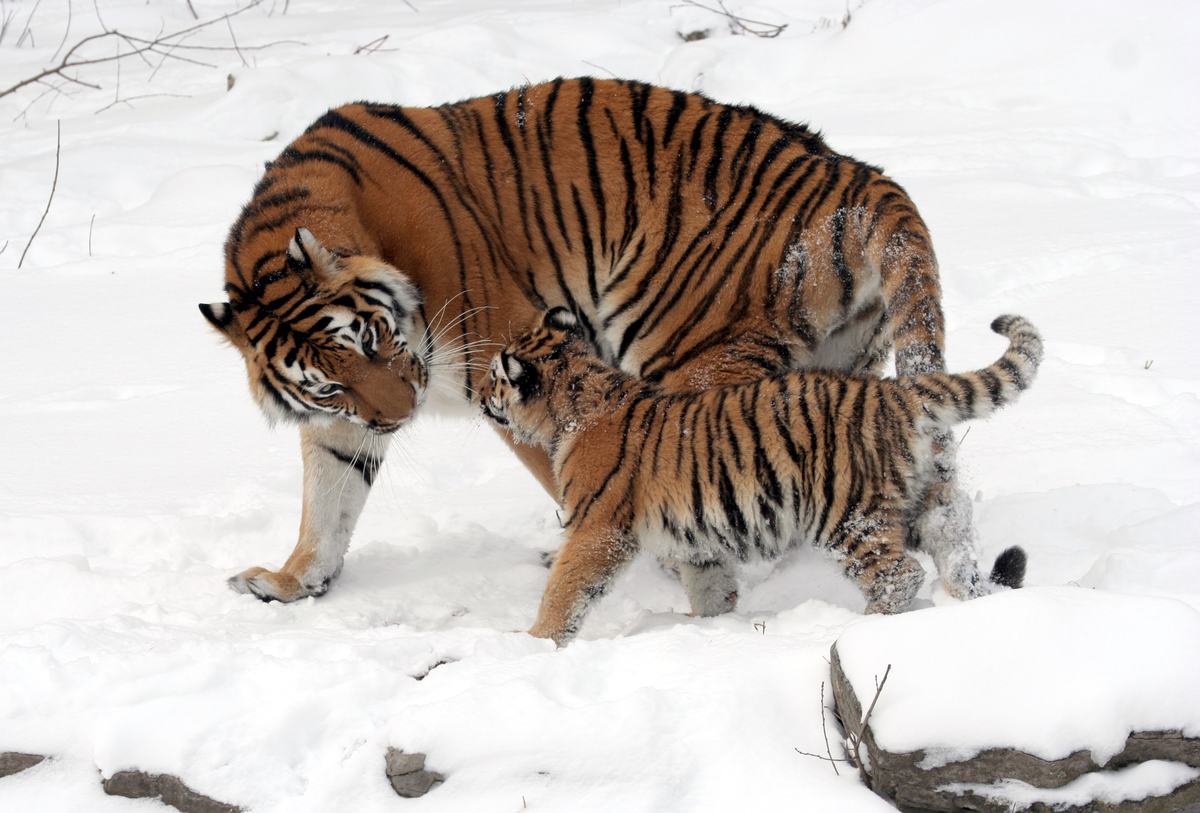
If you asked my Year 4 class to name the biggest cat, half of them shout lion and the other half shout cheetah, which is at least a lovely bit of confidence. The answer is the tiger. A big male Siberian tiger can weigh more than three grown men put together, and yet the thing that struck me most, watching one at a zoo, was how quietly it moved. All that muscle, and not a sound. Here is what makes them stranger than the poster on the classroom wall.
The Largest Cat on Earth
No living cat is bigger than a tiger. The Siberian, or Amur, tiger is the heavyweight of the family, with large males reaching around 300 kilograms and stretching over three metres from nose to tail. That is bigger than a lion, bigger than any leopard, bigger than anything else with whiskers. The Sumatran tiger, living on a hot island where a smaller body copes better, is the pocket edition. Same animal, very different scale.
Stripes That Go Right to the Skin
Here is the fact my class never believe at first. A tiger's stripes are not just on the fur. Shave a tiger (please do not) and the pattern is still there, printed on the skin underneath. Every tiger's stripes are unique, like a fingerprint, which is how researchers tell individuals apart from camera trap photos. No two tigers wear the same coat, and the stripes break up their outline in long grass so well that a bright orange animal can all but vanish.

Cats That Actually Like Water
Most cats treat a puddle as a personal insult. Tigers are the exception. They are strong, willing swimmers, and on a hot day they will happily wade into a river or lie half submerged to cool off. A tiger can swim several kilometres across open water, and in places like the Sundarbans mangroves they hunt and travel by swimming between islands. If your house cat is anything like mine, this is the hardest tiger fact of all to picture.
A Solitary Life
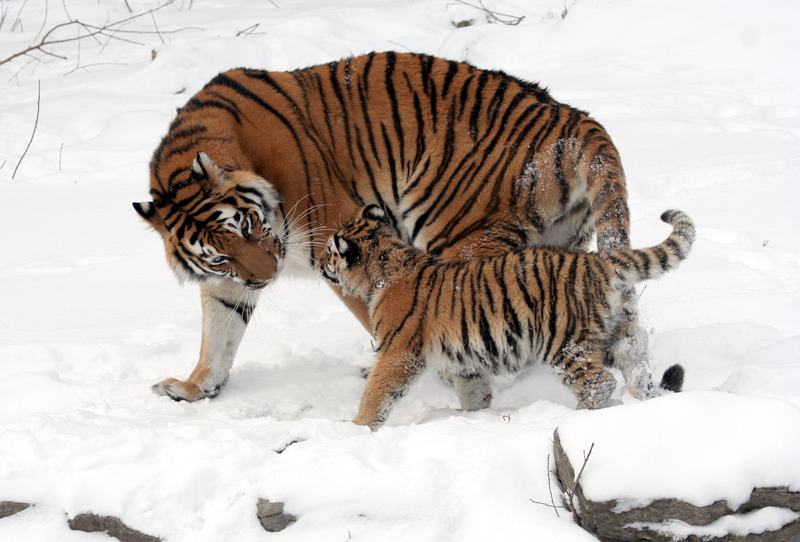
Unlike lions, who live in prides, tigers keep their own company. Adults live alone across large territories, which they patrol and mark with scent and scratched trees to tell rivals to keep out. A male's range may overlap with several females, but they meet mainly to mate and otherwise prefer their own space. Cubs stay with their mother for around two years, learning to hunt, and then head off to claim ground of their own.
The Quiet Part of the Roar
A tiger's roar can carry a couple of kilometres, but the truly clever part you cannot hear at all. Tigers produce very low frequency sound, infrasound, that travels through dense forest better than higher notes and passes straight through solid objects. Some researchers think this rumble is part of why a tiger's call can freeze prey and startle a keeper on the spot. You feel it more than you hear it, which is a deeply unsettling thing to learn.

Subspecies We Have Already Lost
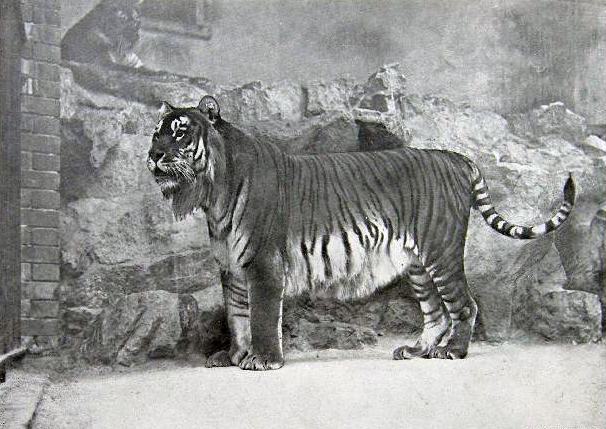
Tigers once ranged from Turkey to the Russian Far East, but we have lost a great deal of that. Three subspecies are gone: the Caspian, the Javan, and the Bali tiger, all driven to extinction in the last hundred years or so. The Bali tiger, the smallest of them all, vanished by the 1940s. What survives today is a handful of subspecies clinging to scattered pockets of Asia, a fraction of the range tigers held within living memory.
Night Eyes
A tiger hunts mostly after dark, and its eyes are built for it. A reflective layer behind the retina, the tapetum lucidum, bounces light back through the eye for a second chance to catch it, which is why a tiger's eyes flash back at a torch. Their night vision is roughly six times sharper than ours. Add near silent paws and that vanishing coat, and a tiger in the dark is a very good reason to stay by the fire.
White Tigers Are Not Albino
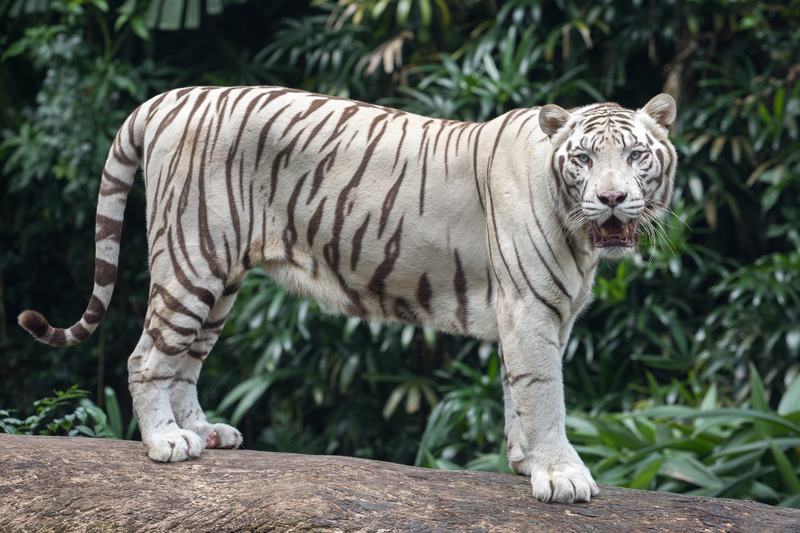
Every so often a tiger is born white with dark stripes and pale blue eyes. These are not albinos and they are not a separate species. They are Bengal tigers carrying a rare recessive gene that mutes the orange pigment. In the wild the pale coat is poor camouflage, so white tigers are extremely rare and rarely survive long. Almost every white tiger you see in captivity descends from heavy inbreeding, which brings real health problems with it.

More in Cages Than in the Wild
This one always quietens the room. There are only a few thousand wild tigers left, spread thinly across Asia, and by many estimates more tigers now live in captivity in the United States alone than remain in the wild worldwide. A century ago there were perhaps a hundred thousand. The good news is that in a few countries, India in particular, careful protection has started to nudge the numbers back up. It is slow, but it is going the right way.
Frequently Asked Questions
How big can a tiger get?
The Siberian, or Amur, tiger is the largest, with big males weighing around 300 kilograms and measuring over three metres from nose to tail tip. That makes the tiger the biggest cat species alive today, larger than any lion. Sumatran tigers are the smallest, an adaptation to their warm island home.
Do tigers really like water?
Yes. Tigers are strong swimmers and often cool off in rivers and pools, unlike most cats. They can swim several kilometres and will cross rivers to hunt or move between islands, as they do in the Sundarbans mangroves. Cubs take to water from a young age.
Why do tigers have stripes?
Stripes break up the tiger's outline in tall grass and dappled forest light, helping it stalk prey unseen despite its bright colour. Each tiger's stripe pattern is unique, and the markings sit on the skin as well as the fur, so they stay even if the coat is shaved.
Are white tigers a separate species?
No. White tigers are Bengal tigers carrying a rare recessive gene that reduces orange pigment. They are not albinos and not their own species. In the wild the coat offers poor camouflage, so they are very rare, and most captive white tigers come from inbred lines.
How many tigers are left in the wild?
Only a few thousand wild tigers remain across Asia, down from around a hundred thousand a century ago. Three subspecies have already gone extinct. Conservation work in countries such as India and Nepal has begun to lift some populations, but tigers remain endangered.