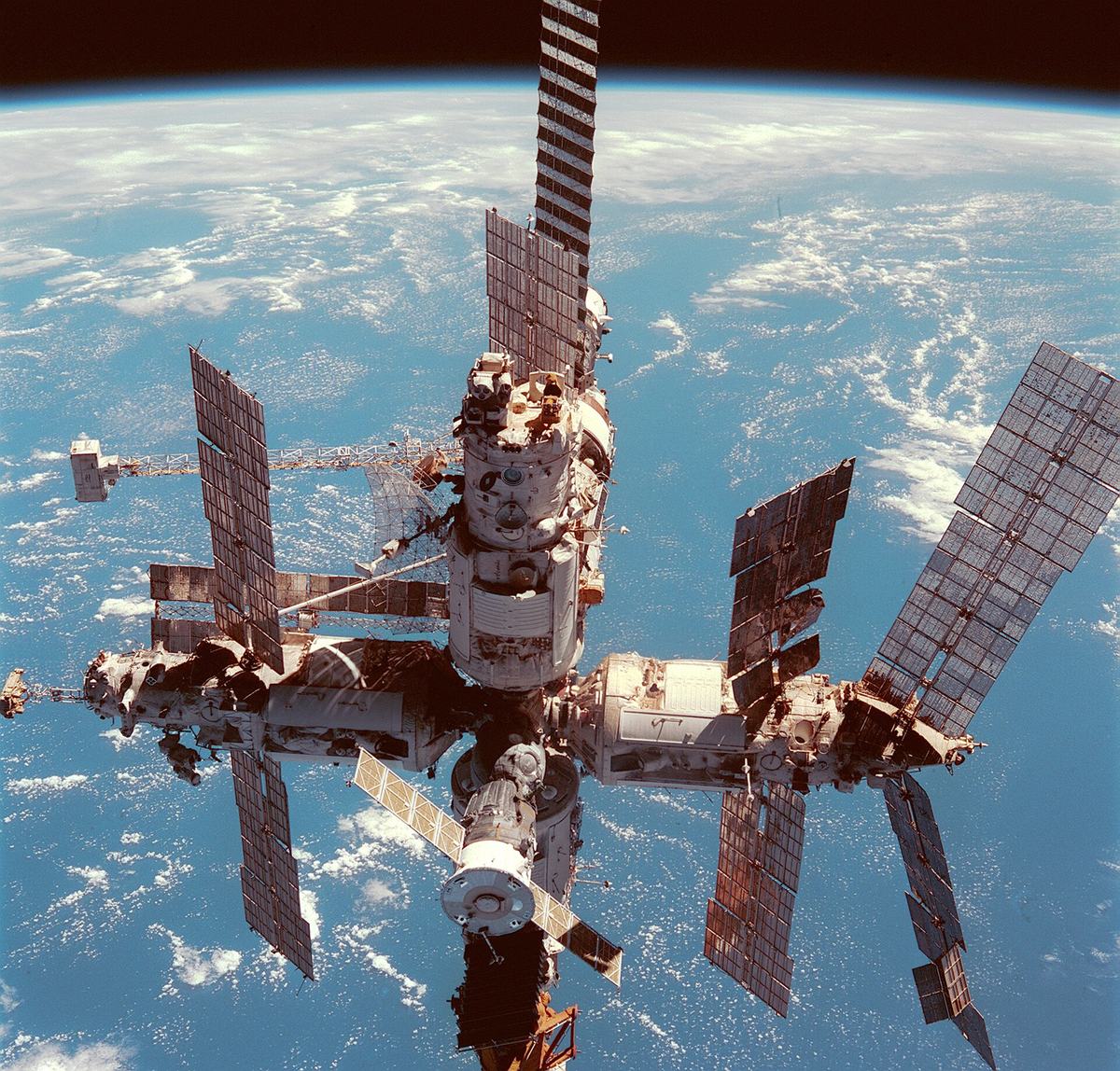
In 1986, a two-man Soyuz crew did something no one has repeated since: they flew from one space station to another, mid-mission, like taking a taxi between two apartments in orbit. That single flight sits at the center of a much longer story — one that runs from a Victorian novella through a Cold War tragedy to a Chinese lab module orbiting Earth right now.
A space station is, at its simplest, a spacecraft built to be lived in rather than flown somewhere. It has no engine strong enough to leave orbit and no plan to come home in one piece; instead, crews arrive, work, and depart while the station itself stays up for years or decades. That patience is exactly what makes the history interesting — every design choice reflects lessons learned the hard way, often at real human cost.
A Dream Born a Century Early
The idea predates spaceflight by nearly a century. The first known mention of anything resembling a space station appeared in Edward Everett Hale's 1868 story The Brick Moon, decades before anyone had a rocket capable of reaching orbit.
The concept got its technical grounding in 1929, when engineer Herman Potocnik published The Problem of Space Travel, the first design to propose a rotating wheel-shaped station that would spin fast enough to create artificial gravity. It's a striking detail: the wheel-in-space image that science fiction later made famous was a serious engineering proposal decades before any nation could put a person in orbit — and no one has ever actually built one.
The First Station Cost Its First Crew
The Soviet Union launched the first space station, Salyut 1, on April 19, 1971, beating the idea into hardware faster than Potocnik's readers might have guessed. It was a triumph that turned to tragedy within weeks: the Soyuz 11 crew died of asphyxiation from a valve failure just before reentry, the only humans ever to have died above the Karman line, the internationally recognized edge of space.
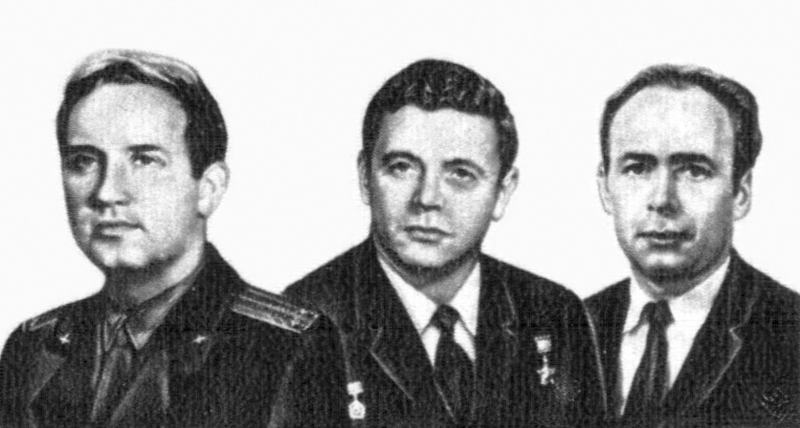

That disaster shaped everything that followed. Soviet engineers redesigned the Soyuz spacecraft's cabin and added pressure suits for reentry, changes that still influence crewed spacecraft today. The station itself never got the chance to prove much more; a station cut short by tragedy is a sobering reminder that living in orbit was, and still is, an unforgiving line of work.
From One Room to a Modular Complex
Early stations were essentially single rooms launched whole, with nothing to plug into once supplies ran low. Salyut 1 and Skylab belonged to this earliest generation: one sealed module, built and launched complete, with no way to bring in fresh cargo once it ran low on food or fuel. Salyut 6 and Salyut 7 solved that by carrying a second docking port, letting uncrewed Progress freighters dock and top up supplies mid-mission. That second port sounds like a minor upgrade, but it's what let stations outlast their onboard food and fuel for the first time.
The American answer to Salyut, Skylab, pushed a different limit: how long a body can tolerate weightlessness. Its final crew, Skylab 4, stayed aloft for 84 days, nearly quadrupling the previous best of 23 days that the doomed Soyuz 11 crew had set aboard Salyut 1 — a jump achieved on the United States' very first space station.
When a Space Station Needed Rescuing
When Mir launched in 1986, engineers expected it to last only about five years, but it stayed in service far longer than planned, eventually becoming the flagship of the Soviet and later Russian space programs. Its first mission, though, doubled as an emergency call: the older Salyut 7 station had gone dark and tumbling, and Mir's first crew was assigned to fly there and fix it.
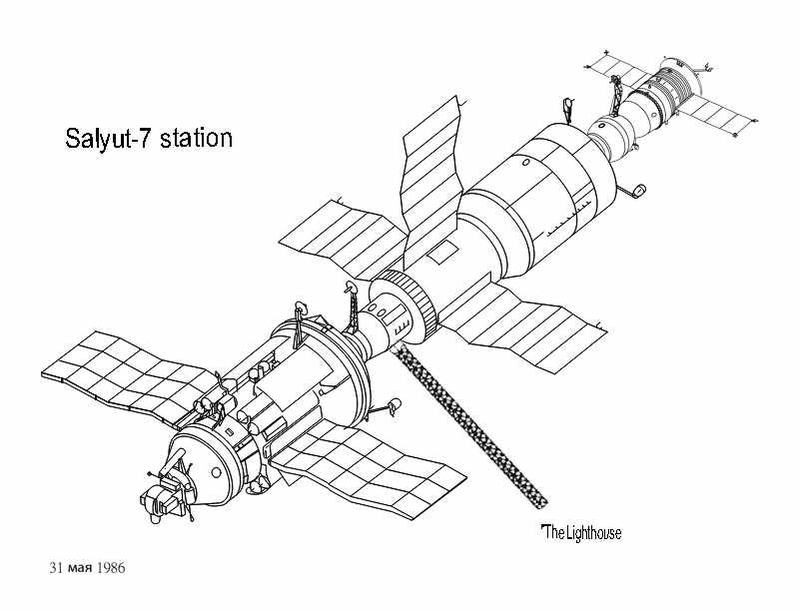

During a 125-day mission in 1986, cosmonauts Leonid Kizim and Vladimir Soloviev became the first people to enter the newly launched Mir space station — and then left it again to go save its predecessor. After testing Salyut-7's atmosphere with a gas analyzer, the crew's undisclosed first task was hunting down a faulty switch buried in the station's tangle of electronics, the likely culprit behind the station losing power and control. Salyut-7 could no longer maneuver under its own power, so the space tug Kosmos-1886, docked there since October 1985, took over most of its propulsion duties while the cosmonauts worked.
Once the repairs were done, the Soyuz T-15 capsule came down 55 kilometers from Arkalyk, a town in Kazakhstan, closing out the only mission in history where a space crew shuttled between two orbiting homes. Four decades of spaceflight later, nobody has tried it again — modern stations are simply too far apart, and too large, for a quick hop to make sense.
Records Mir Still Holds
Mir's own tenure piled up superlatives that outlasted the station itself. No crew ever left it empty for long, making Mir the first research outpost with an unbroken human presence in orbit; that streak reached 3,644 days before the International Space Station finally topped it in 2010.
One resident pushed that endurance further than anyone before or since: cosmonaut Valeri Polyakov stayed aboard Mir for 437 days without a break, from 1994 to 1995 — still no one else has flown that long in a single spaceflight, before or after him. Visitors added up too: 104 people from twelve different nations passed through Mir before it deorbited, more than any other spacecraft has ever hosted, a tally the International Space Station has since overtaken. Along the way, Mir orbited Earth more than 86,000 times over its lifetime and was the largest artificial object then orbiting in the Solar System.
Handing Off the Torch
Mir served as a precursor to the International Space Station, which took over as the largest satellite in Earth orbit after Mir's deorbit in 2001. The ISS has since become the dominant story of human spaceflight in its own right, but it's worth remembering it inherited both hardware and hard-won know-how from three decades of Soviet and Russian station-building that came before it.
China's New Modular Station
The most recent chapter belongs to Tiangong, China's first space station built for a permanent crew rather than short visits, orbiting Earth since 2021. Rather than starting from scratch, its designers had half a century of Salyut, Skylab, and Mir experience to draw on — and it shows in how quickly the station has racked up its own milestones.
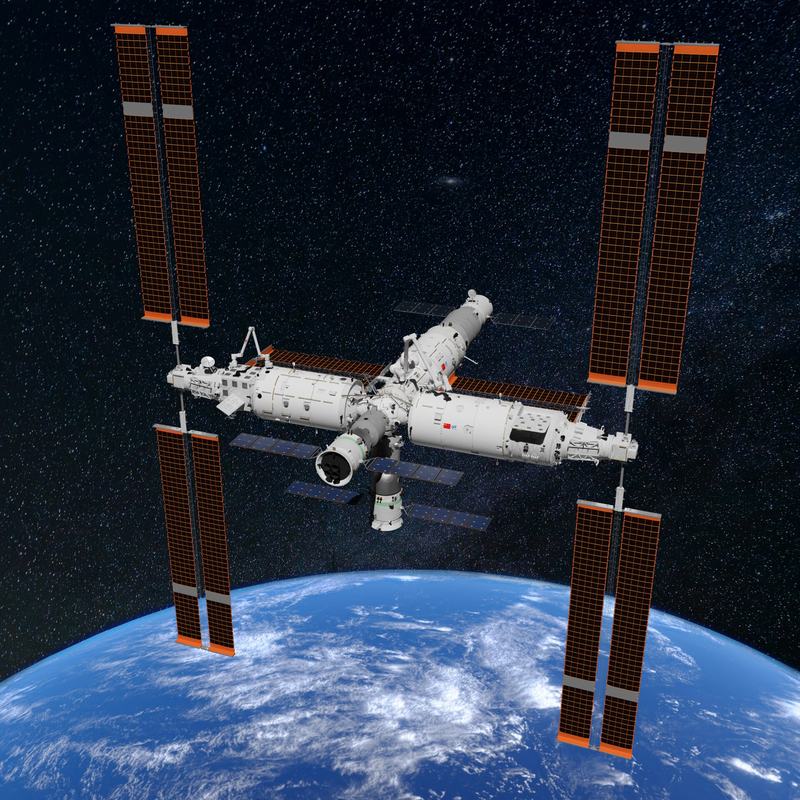

Tiangong crews have made 24 spacewalks in Feitian suits, including the longest spacewalk ever, lasting more than 9 hours, in 2024, a pace of activity that would have been unthinkable to the Salyut 1 crew fifty years earlier. Every generation of space station has effectively been a rehearsal for the next one: Salyut taught engineers how a station fails, Skylab and Mir taught them how long a body can endure it, and Tiangong is now testing how routine that endurance can become.