If you asked my Year 4 class what an eagle does best, they would say fly. Fair enough. But the eagle's real trick is not the flying. It is the looking. An eagle sitting on a branch can see things you would need binoculars to notice, and then it drops on them from a great height. The wings just get it there. The eyes do the work.
Eyesight Built for Distance
An eagle's vision is roughly four to eight times sharper than a human's [1]. Where you see a blur across a field, an eagle sees a mouse twitch. A golden eagle can pick out a rabbit from around three kilometres away [1]. Part of the trick is that each eye has two foveae, the tiny pits packed with light-detecting cells, while we make do with one. So the eagle is, in a sense, watching you twice.
Not Actually Bald
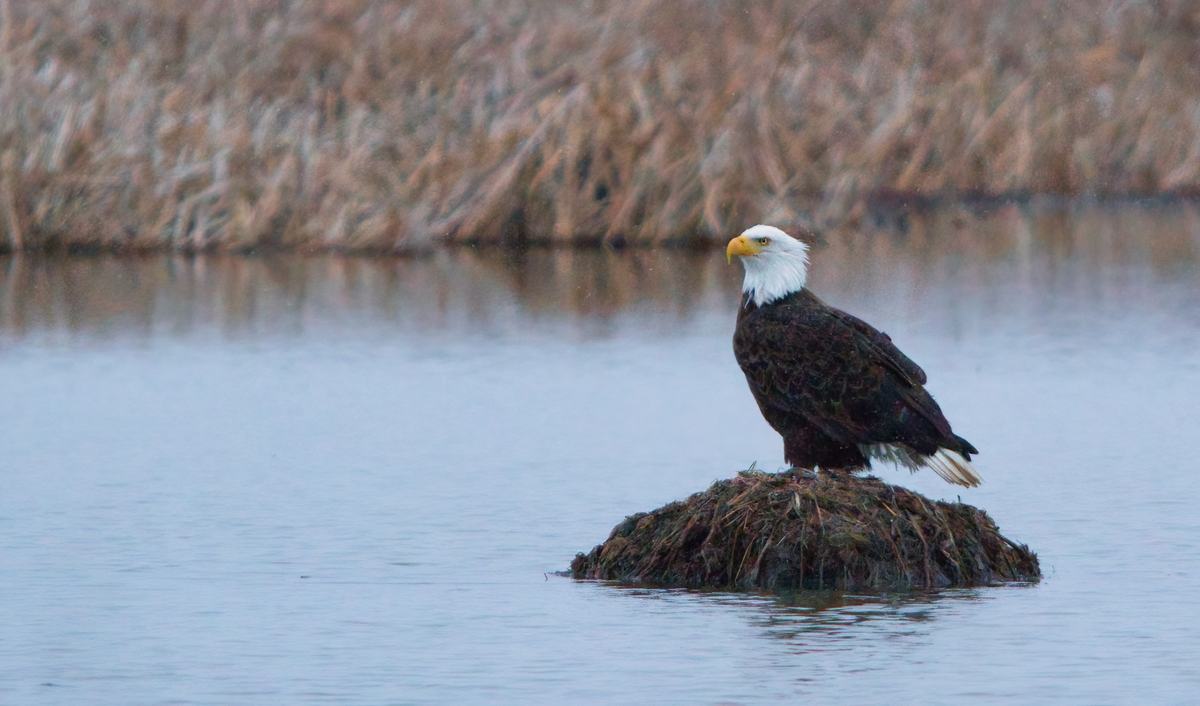
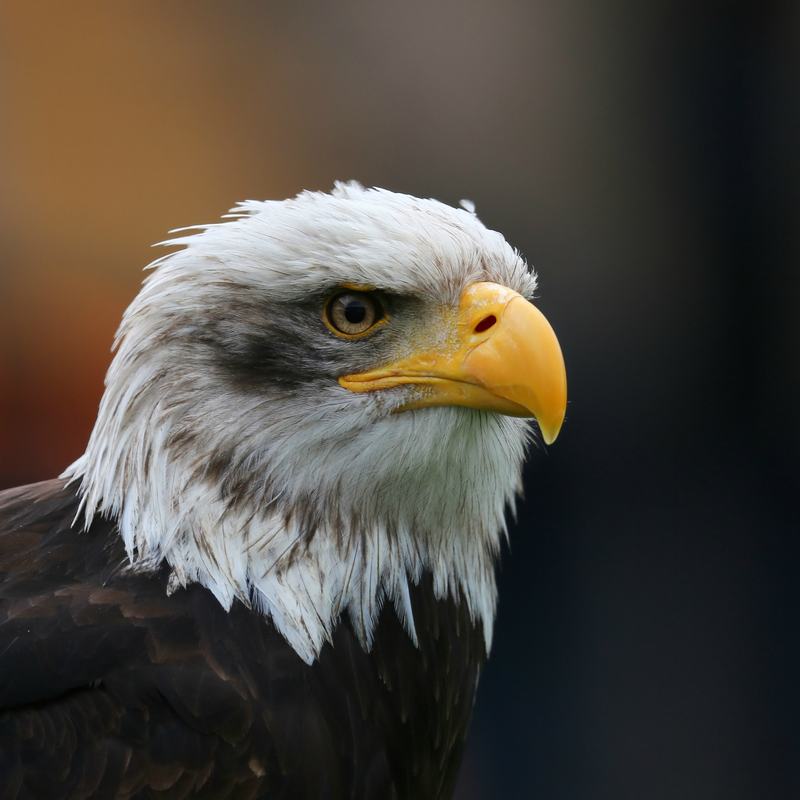
The bald eagle has a full head of feathers, thank you. The name is a leftover from an older meaning of "bald", which once meant white-headed rather than hairless [3]. Young bald eagles are a mottled brown all over and do not grow that clean white head until about four or five years old [2]. So a brown eagle is not a different bird. It is just a teenager who has not sorted its look out yet.

A Grip Like a Vice
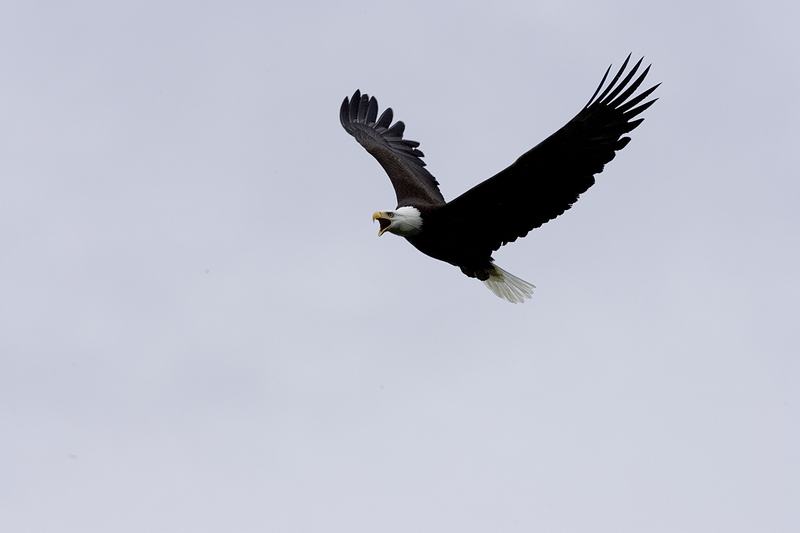
The talons are the business end. A bald eagle's grip is estimated at around ten times the strength of a human hand, strong enough to hold a struggling fish without letting go [1]. The feet lock shut with a ratchet-like tendon, so the eagle can grip while it eats, or while it flies, without having to think about it. My kids would love this, mostly for the wrong reasons.
Talons Bigger Than a Bear's Claws
Here is the one that stops people. The harpy eagle, which lives in the rainforests of Central and South America, grows rear talons up to about 13 centimetres long [4]. That is longer than the claws on a grizzly bear. With feet like that, the harpy hunts monkeys and sloths straight out of the trees. I have only seen photographs, and even those made me sit up.
The Biggest Nests in the Bird World
Bald eagles build the largest tree nests of any bird. The record holder, near St. Petersburg, Florida, measured about 2.9 metres wide and 6 metres deep, and was estimated to weigh over two tonnes [5]. That is heavier than a small car, sitting in a tree. Eagles add to the same nest year after year, so the thing just keeps growing. At some point you would think the tree files a complaint.

Courtship by Falling Out of the Sky
Eagles tend to pair for life, and they seal it with one of the more alarming courtship displays going [2]. The two birds fly high, lock their talons together, and cartwheel down towards the ground in a spinning tumble, letting go only at the last moment. It looks like a crash. It is, in fact, romance. Nobody warned me about this the first time I read it.
Around Sixty Species, Only Two Nearby
There are roughly 60 species of eagle in the world, and most of them live in Eurasia and Africa [3]. North America has only two natives, the bald eagle and the golden eagle [3]. So although the eagle feels like it is everywhere, on flags, coins and rather a lot of logos, the actual birds are choosier about where they turn up than the branding suggests.
Back From the Brink
By the 1960s the American bald eagle was in serious trouble, its numbers gutted by the pesticide DDT, which thinned their eggshells until the eggs broke under the parents [6]. After DDT was banned and the birds were protected, they recovered so well that they were removed from the United States endangered species list in 2007 [6]. A rare bit of good news, and one my class always likes hearing.
Frequently Asked Questions
How far can an eagle see?
An eagle can spot prey from a very long way off, with vision around four to eight times sharper than a human's. A golden eagle can pick out a rabbit from roughly three kilometres away, helped by having two focusing pits in each eye rather than the single one people have.
Why is the bald eagle called bald?
The bald eagle is not bald at all. The name comes from an old meaning of the word "bald", which once meant white-headed rather than hairless. Adult bald eagles have a bright white head of feathers, which they grow at around four to five years of age.
How big is an eagle's nest?
Eagle nests are the largest built by any tree-nesting bird. The record bald eagle nest, in Florida, was about 2.9 metres wide and 6 metres deep and weighed over two tonnes. Eagles reuse and add to the same nest for many years, which is why it grows so large.
Do eagles mate for life?
Most eagles form long-term pairs and often stay together for life. They renew the bond each breeding season, sometimes with a dramatic courtship flight in which the pair lock talons and tumble through the air together before separating close to the ground.