Articles by Marcus Kane
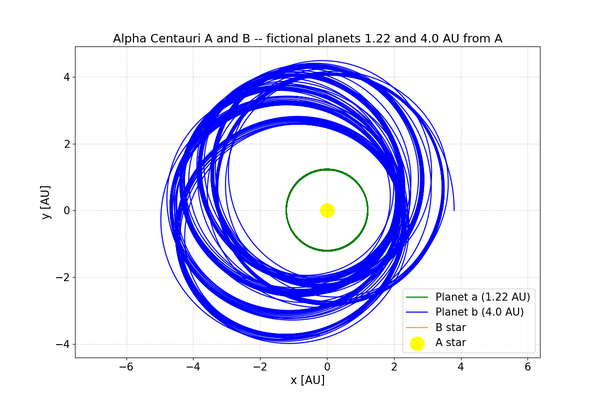
Alpha Centauri: Only the Third Binary Star Ever Discovered
Alpha Centauri looks like one bright point in the southern sky, but it is really three stars, one of them possibly hosting two small planets, first proven to circle each other by a comet-watcher in 1689.
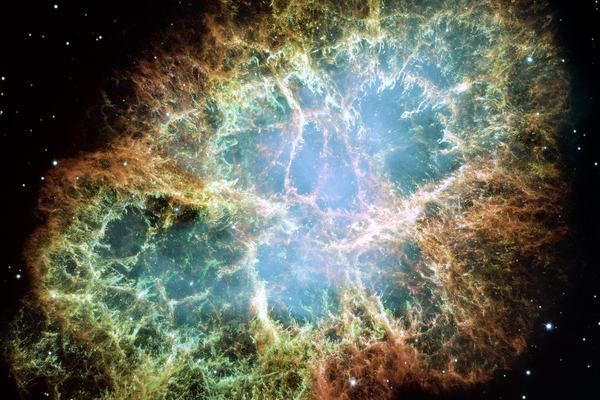
Pulsar: The 30-Kilometre Star That Spins Hundreds of Times a Second
A pulsar packs extreme density into a tiny, fast-spinning sphere that sweeps beams of radiation across the galaxy. Here is what decades of watching them tick has revealed.
Red Giant: The Star Phase That Will Swallow Mercury and Venus
A red giant is what happens when an aging star runs low on core fuel and balloons outward. The Sun will become one in a few billion years, swallowing the planets closest to it along the way.
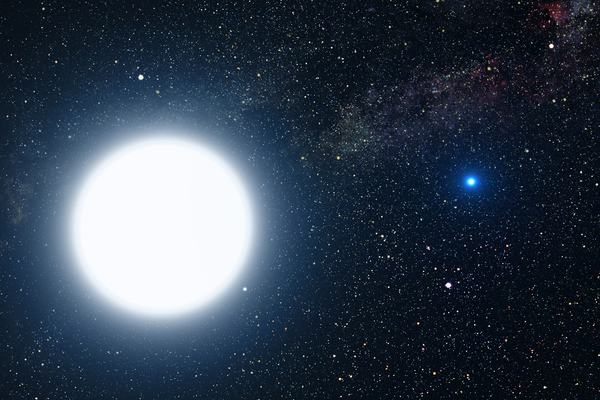
White Dwarf: A Teaspoon of It Would Weigh 5.5 Tonnes
White dwarfs are the collapsed cores left behind by dying stars, so dense that a teaspoon of their material would weigh several tonnes. Here is what makes them among the strangest objects in the galaxy.
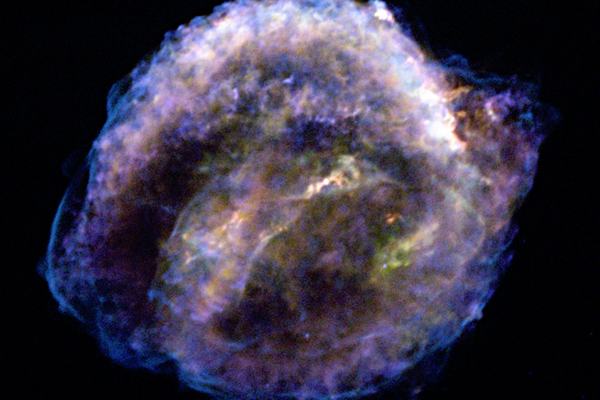
Supernova: A Blast 3,000 Million Times Brighter Than the Sun
A supernova can briefly shine billions of times brighter than the Sun, and the wreckage it leaves behind still puzzles astronomers decades later. Here are the facts behind the Universe's biggest explosions.
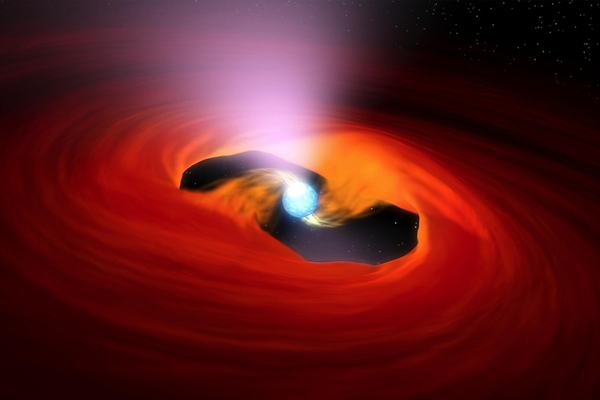
Neutron Star: A Teaspoon Would Outweigh the Great Pyramid 900 Times
A neutron star packs more mass than the Sun into a sphere the size of a city, spins hundreds of times a second, and can carry a magnetic field strong enough to wipe a credit card from the Moon's halfway point. These are the facts behind the extremes.
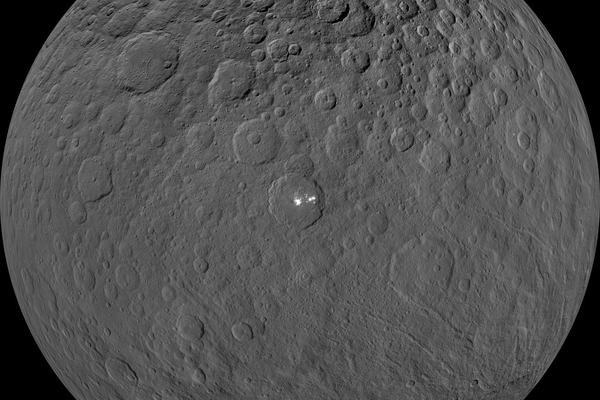
Ceres: The Dwarf Planet Hiding a Cryovolcano
Ceres was the first object ever found in the asteroid belt, mistaken at first for a new planet. It turned out to be a small, water-rich world with its own cryovolcano and a transient atmosphere of water vapor.
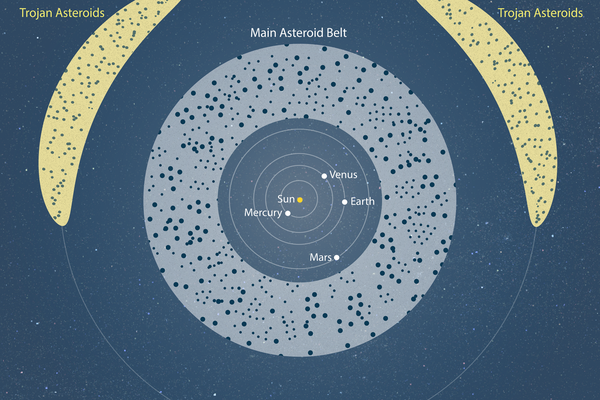
Asteroid Belt: The Failed Planet Between Mars and Jupiter
The asteroid belt between Mars and Jupiter is often imagined as a planet that never formed. In reality it's mostly empty space, holding barely 3% of the Moon's mass spread across up to 1.7 million asteroids.
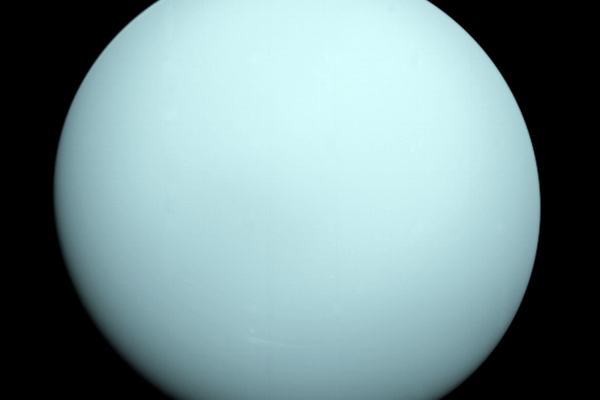
Uranus: The Planet That Spins on Its Side
Uranus is tipped over so far that it effectively rolls around the Sun on its side, giving each pole a 42-year day followed by a 42-year night. Here is what else makes this ice giant one of the strangest worlds in the Solar System.
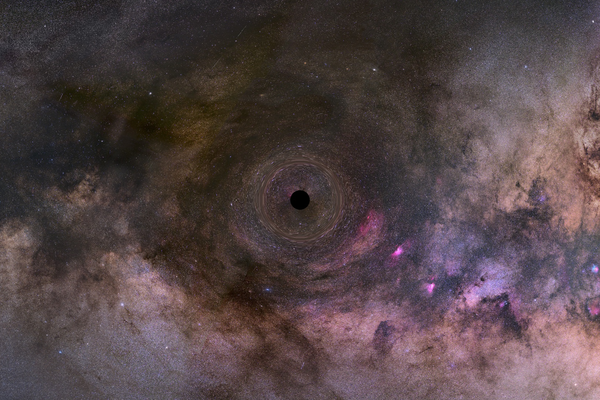
Event Horizon: The Boundary You Could Cross Without Feeling It
An event horizon isn't a surface or a wall — it's the last point where escape is still mathematically possible. These are the facts behind the universe's strangest boundary, from its 1784 origin to the telescope that finally photographed one.
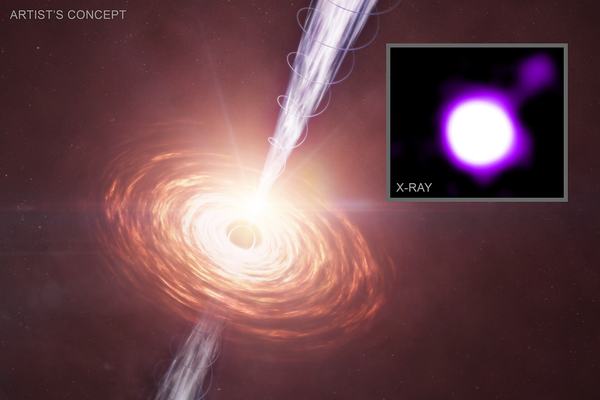
Supermassive Black Holes: Wider Than Uranus's Orbit
Every big galaxy appears to keep one of these monsters at its heart, some weighing billions of times more than the Sun. Here is what a decade of direct imaging has taught us about them.
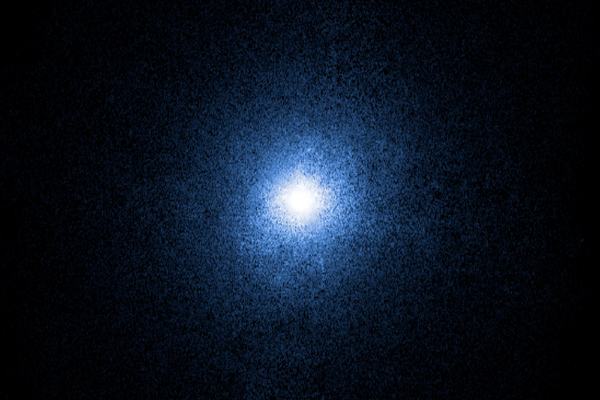
Black Holes: Einstein Tried to Prove They Couldn't Exist
Black holes were doubted by Einstein himself, bet against by Stephen Hawking, and finally photographed in 2019. These are the strangest verified facts about the universe's one-way doors.