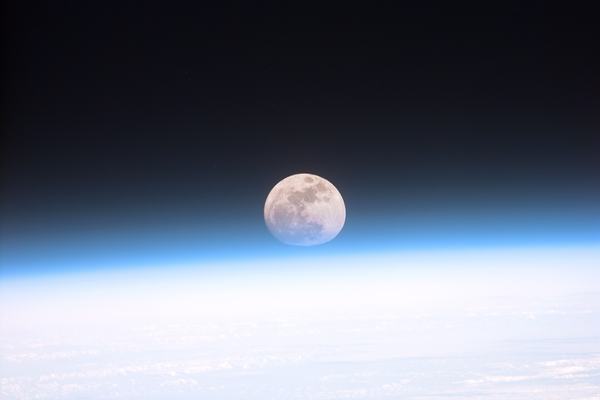
The Moon: Drifting Away at the Speed Your Fingernails Grow
Earth's closest neighbor drifts away at roughly the speed fingernails grow, hides the coldest measured spot in the Solar System, and once carried a magnetic field nearly as strong as Earth's own.
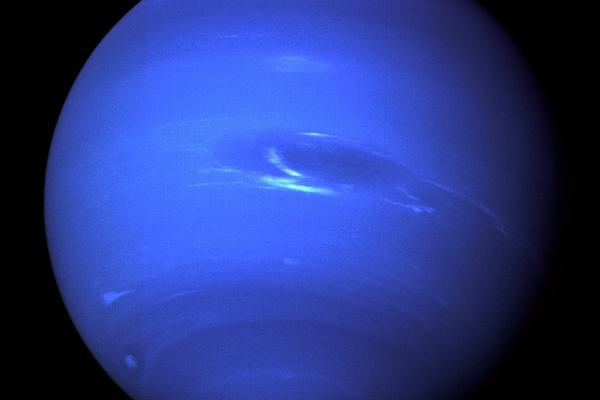
Neptune: The Planet Found by Math Before Anyone Saw It
Neptune is the only planet in the Solar System that was found by mathematical prediction before it was ever directly observed. Here is what else makes it strange.
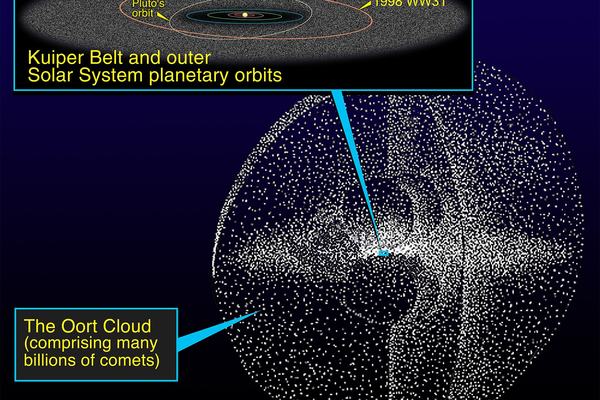
Oort Cloud: A Shell So Vast Voyager 1 Needs 30,000 Years to Cross
The Oort cloud is a theorized shell of icy bodies so far from the Sun that no spacecraft has come close to reaching it. Here is what astronomers actually know, and how they know it.
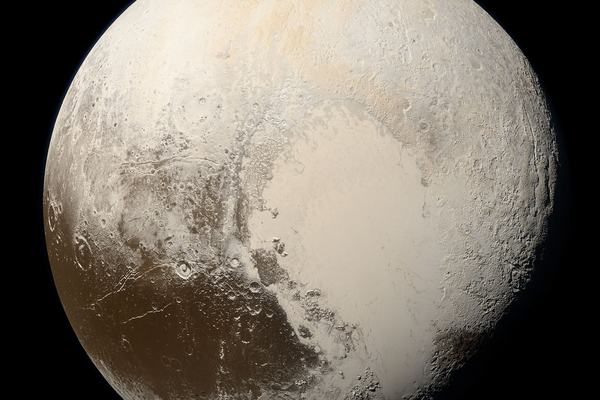
Pluto: The Dwarf Planet With a 10-Million-Year-Old Surface
Downgraded from planet to dwarf planet in 2006, Pluto turns out to be surprisingly young, spins in lockstep with an oversized moon, and only got its close-up in 2015.
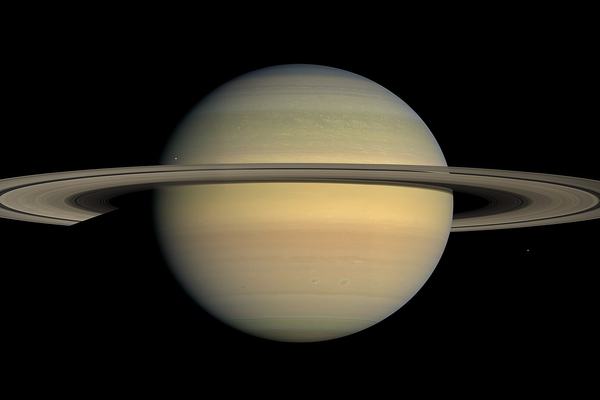
Saturn: The Planet That Would Float in a Big Enough Bathtub
Saturn is the only planet in the Solar System less dense than water — it would float, given a bathtub large enough. Here is what else makes it one of the strangest giants out there.
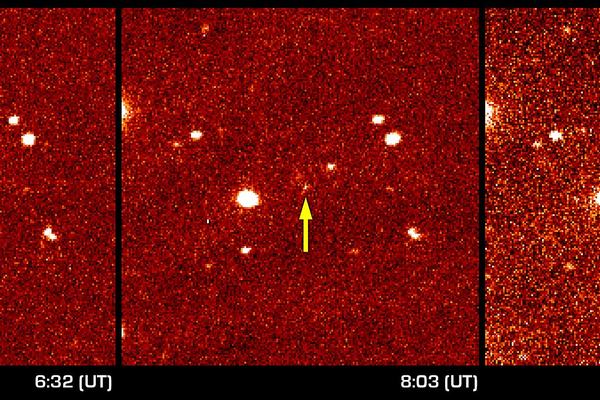
Sedna: The Dwarf Planet on an 11,400-Year Orbit
Sedna is a small, distant dwarf planet on one of the strangest orbits in the Solar System, discovered in 2003 and not seen this close to the Sun again for more than 11 millennia.
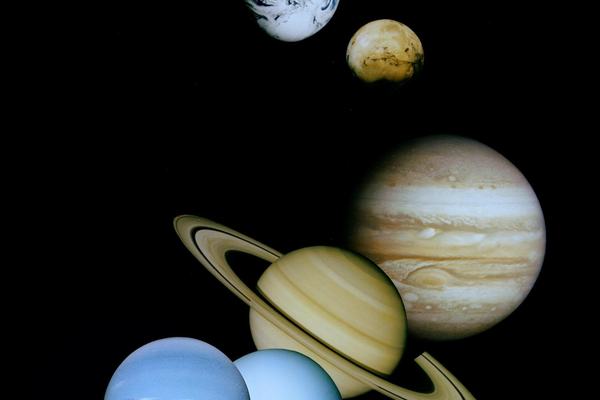
Solar System: The Sun Owns 99.86% of Everything In It
The Solar System is not really eight planets orbiting a star — it is one star that owns almost everything, surrounded by planets, belts, and a cloud of ice so far away that our fastest spacecraft still needs centuries to reach it.
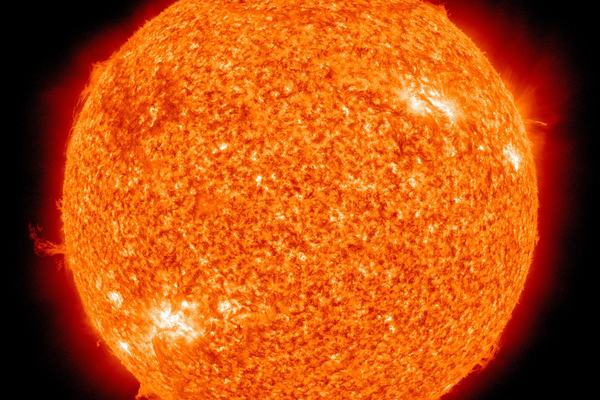
Sun: The Star Whose Neutrinos Beat Its Own Light
The Sun is so dense that light generated in its core can take up to 170,000 years to escape, while neutrinos make the same trip in 2.3 seconds. Here is what else is strange about our star.
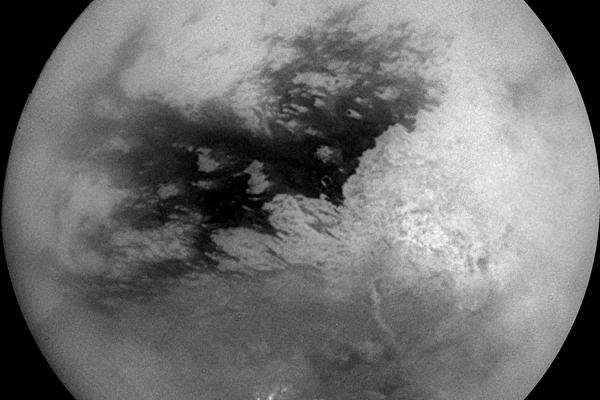
Titan: The Moon With Seas, Rain, and Its Own Weather
Saturn's moon Titan has a thicker atmosphere than Earth's and seas of liquid methane larger than the Caspian Sea. It is the only place besides Earth known to have stable liquid on its surface.
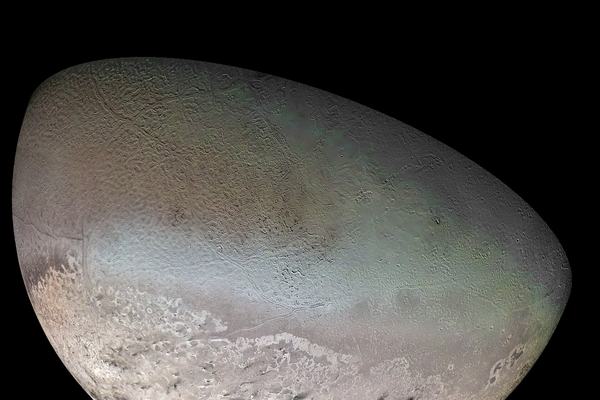
Triton: The Moon That Orbits Neptune Backwards
Triton, Neptune's largest moon, is the only big moon in the Solar System that orbits its planet backwards. It was likely a Kuiper belt object related to Pluto, captured whole by Neptune's gravity.
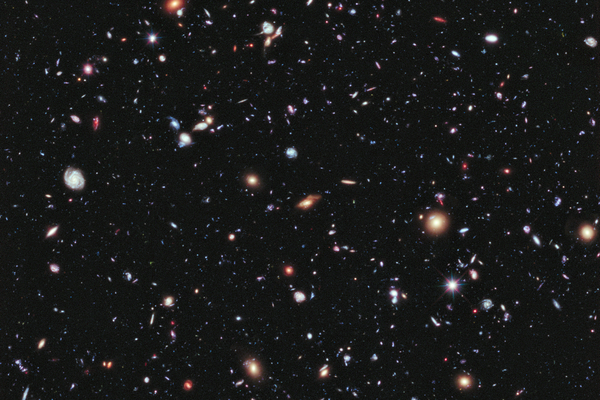
Universe: A Cosmos That Is 95% Invisible
The universe is 13.8 billion years old and still expanding, yet 95% of everything in it — dark matter and dark energy — is invisible and cannot be directly seen.
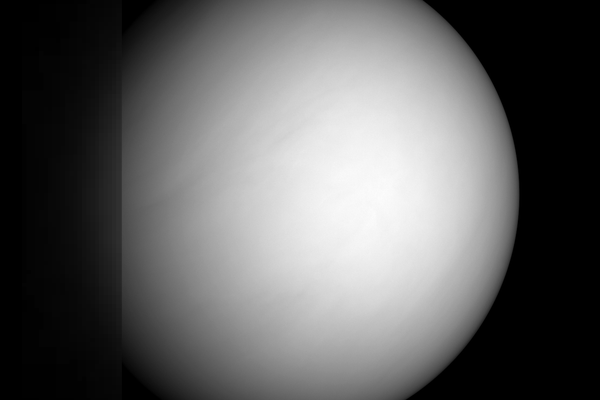
Venus: The Planet Where a Day Outlasts a Year
Venus is a planet where a single day outlasts the year, the clouds are acid, and the volcanoes may still be erupting. A closer look rewards the curious.