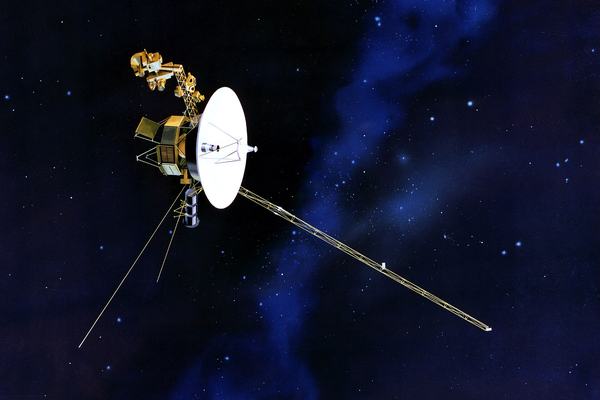
Voyager 1: The Farthest Human-Made Object Ever Launched
Voyager 1 is now 172.59 AU from Earth and still sending data home. These are the facts behind its Jupiter and Saturn flybys, its Golden Record, and its trip into interstellar space.
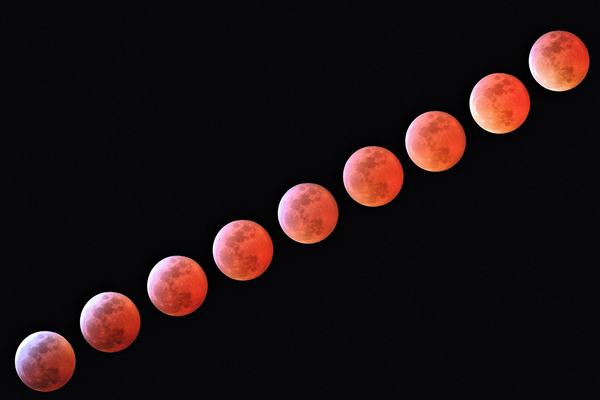
Lunar Eclipse: When Earth's Shadow Turns the Moon Blood Red
A lunar eclipse is not a black-out but a slow crossing of Earth's giant shadow, one that can turn the Moon copper-red for close to two hours. Here is the geometry, the color science and the folklore behind it.
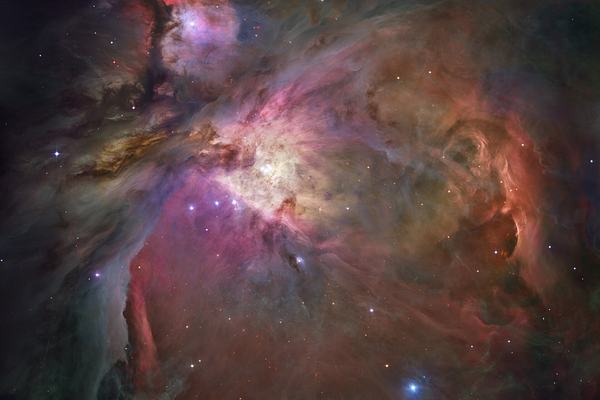
Orion: The Constellation With a Star at a Record-Faint Low
Orion is one of the sky's most recognizable constellations, home to a shoulder star that faded dramatically in 2020 and a belt of blue supergiants visible from almost every inhabited latitude. Here are the facts behind the Hunter's most famous stars and nebulae.
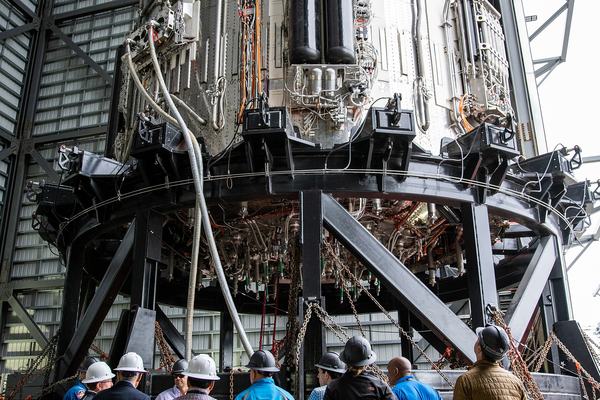
SpaceX Starship: The Rocket With Twice the Thrust of the Saturn V
SpaceX's Starship is designed for full reusability, with a booster producing more than twice the thrust of the Saturn V, and it is one of the landers NASA picked for crewed Artemis Moon missions.
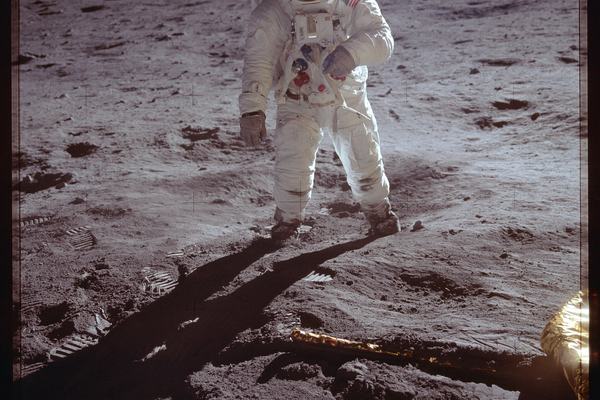
Apollo 11: The Moon Landing With Only 90 Seconds of Fuel to Spare
Apollo 11 landed on the Moon with 90 seconds of fuel to spare after its guidance computer set off unexpected alarms. These are the operational details behind the 1969 mission that rarely make the highlight reel.
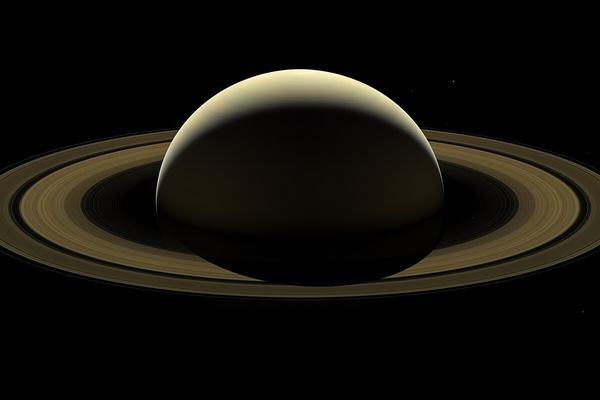
Cassini-Huygens: The Probe That Found Saturn's Rings Are Surprisingly Young
Cassini-Huygens spent 13 years orbiting Saturn, dropped a probe onto Titan, and found that the planet's famous rings may be far younger than Saturn itself.
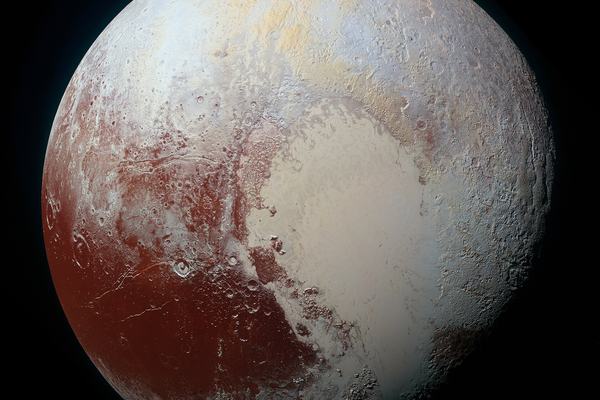
New Horizons: The Spacecraft Carrying Its Discoverer's Ashes to Pluto
New Horizons carries the ashes of Pluto's discoverer past the dwarf planet he found in 1930, riding the fastest spacecraft NASA ever launched. Here are the mission's most surprising facts, from its record speed to the icy world it explored next.
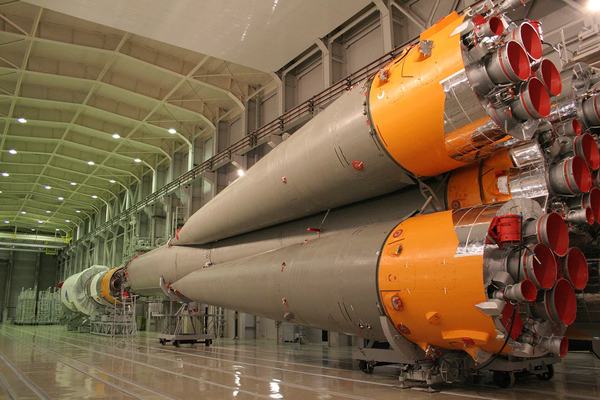
Rocket: The Flying Machine Named After a Sewing Bobbin
The rocket takes its name from a sewing spool, not a shape you'd expect for a space-bound machine. Its long path from Chinese battlefields to orbit is full of surprises.
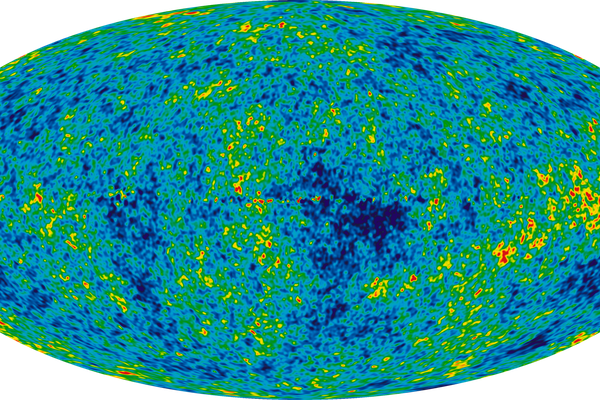
Big Bang: A Universe That's Only 5% Ordinary Matter
The Big Bang left a faint microwave glow across the whole sky, and decades of measurements show that the atoms we are made of are a small minority in the universe.
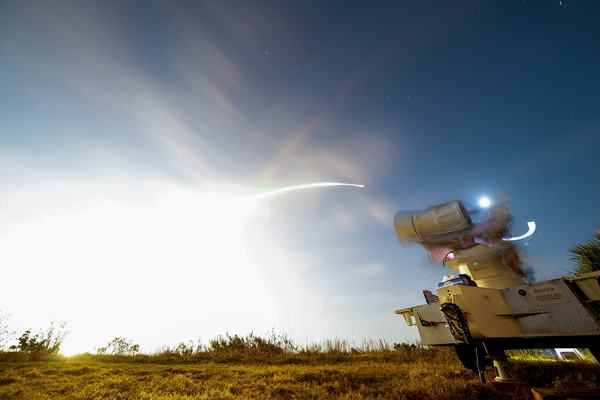
Artemis: The Moon Landing That Needs 15 Rocket Launches First
NASA's Artemis program is aiming to put astronauts back on the Moon, but the plan also includes a space station designed to fly empty most of the time and a lander that needs over a dozen refueling launches first.
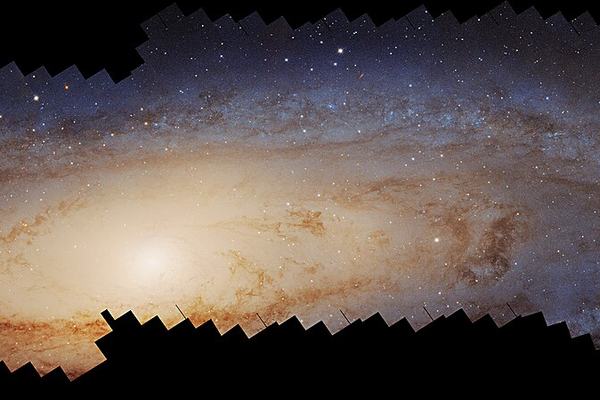
Light-Year: A Distance of Exactly 9.46 Trillion Kilometres
A light-year is not a measure of time at all — it's a fixed distance of trillions of kilometres, and most working astronomers reach for a different unit anyway.
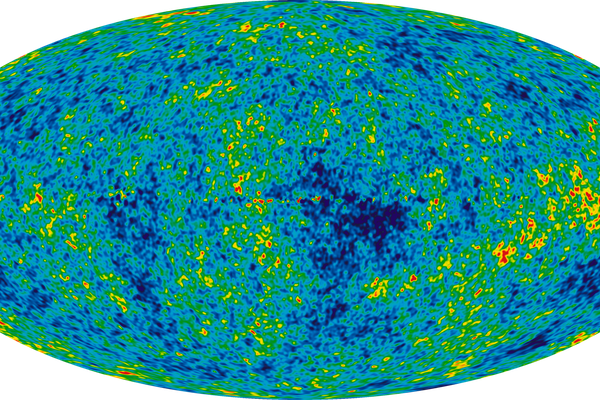
Dark Matter: The Universe's Missing Mass, Named in 1906
Dark matter was named decades before anyone found real evidence for it, and today it's thought to make up more than a quarter of the universe. Here's what the evidence actually shows.