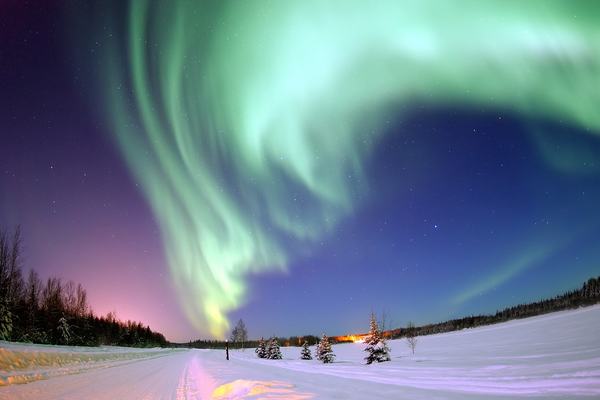
Aurora: The Light Show With an Impostor Named Steve
Auroras are older than written history and stranger than postcard photos suggest, from a purple impostor named Steve to a light show on Jupiter that never turns off.

Astronomical Unit: The Sun Distance Fixed by Decree
The astronomical unit, once just an average of Earth's distance from the Sun, is now a fixed number by international decree — the product of a centuries-long hunt that ran through ancient geometry, a rare planetary crossing, and a passing asteroid.
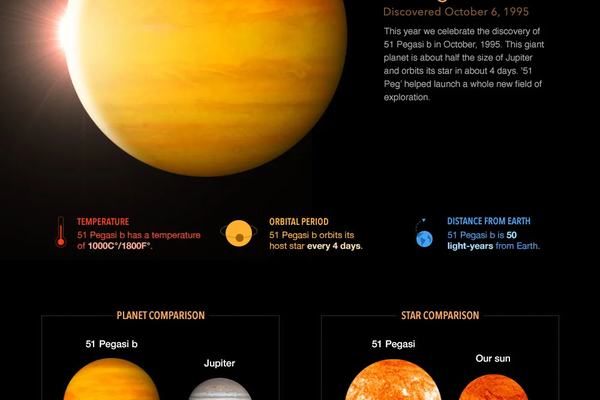
Exoplanet: A World With Twice Earth's Mass but Saturn's Size
From a planet nearly Saturn's size with only about twice Earth's mass to worlds spotted beyond our own galaxy, exoplanets keep rewriting what a planet can be. Here is what verified sources say.
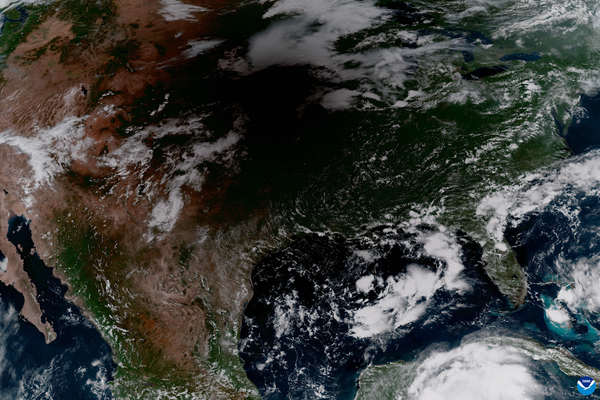
Solar Eclipse: Why Totality Visits One Place Every 360 to 410 Years
A total solar eclipse can take centuries to revisit the same spot on Earth, yet its few minutes of totality have rewritten physics, exposed the Sun's hidden atmosphere, and been recorded by sky-watchers for over a thousand years.
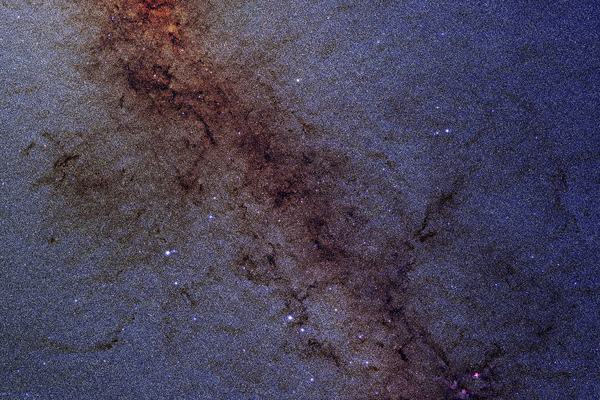
Sagittarius A*: The Black Hole That Might Point Straight at Earth
Sagittarius A* is the supermassive black hole anchoring the Milky Way, first photographed in 2022 and weighing 4.297 million times as much as the Sun.
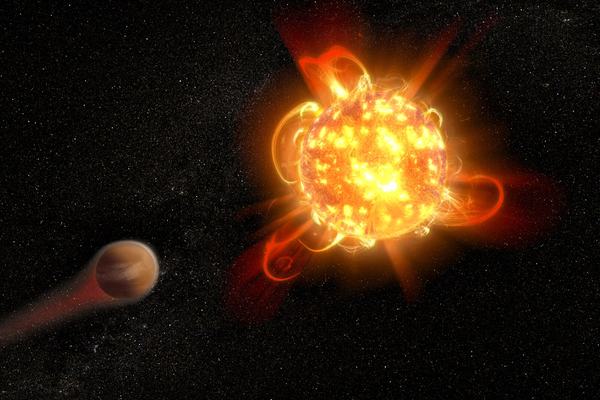
Proxima Centauri b: The Closest Exoplanet We've Ever Found
Proxima Centauri b is the nearest exoplanet to Earth, orbiting a small red dwarf star roughly 4.2 light-years away. Confirmed in 2016, it sits in the destination system of a proposed interstellar light-sail mission.
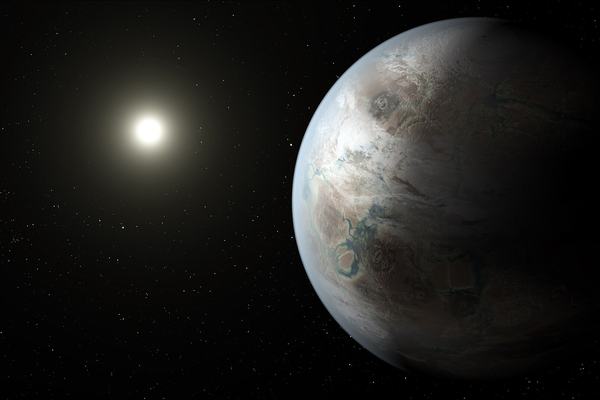
Habitable Zone: The Belt Where 40 Billion Earths Might Hide
Kepler data points to roughly 40 billion Earth-sized worlds that could sit in the temperate zones of stars scattered across the Milky Way. Here is what actually decides whether a planet belongs there.
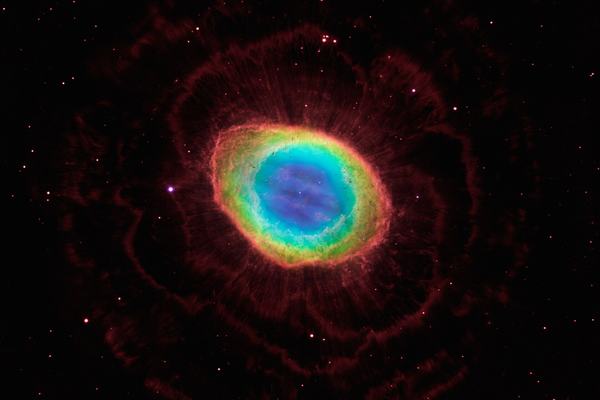
Vega: The First Star Ever Caught on Camera
Vega has spent two centuries as astronomy's favorite test subject, racking up firsts from the earliest stellar photograph to the first dust disk ever found. This is the story behind that streak.
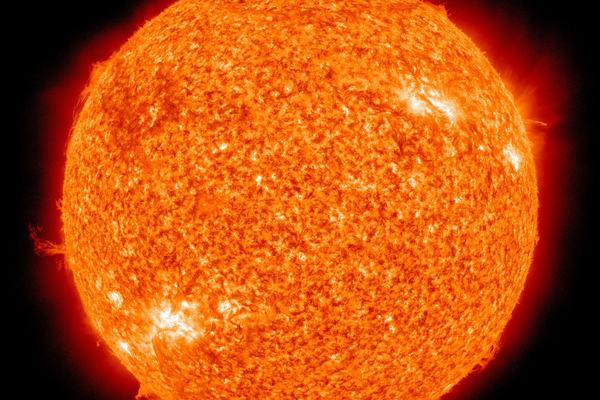
Star: The Telescope That Found an Actual Hole in the Sky
A space telescope once spotted a genuine hole in the sky, and that is only one of the surprising facts behind how stars are born, classified, and eventually fade away.
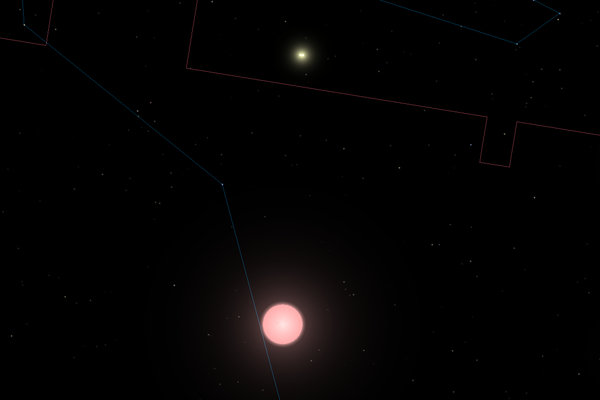
Proxima Centauri: The Closest Star You Can Never See
Proxima Centauri is our Sun's nearest stellar neighbor, yet you will never spot it without a telescope. Here is what makes this small red star, and its planets, so remarkable.
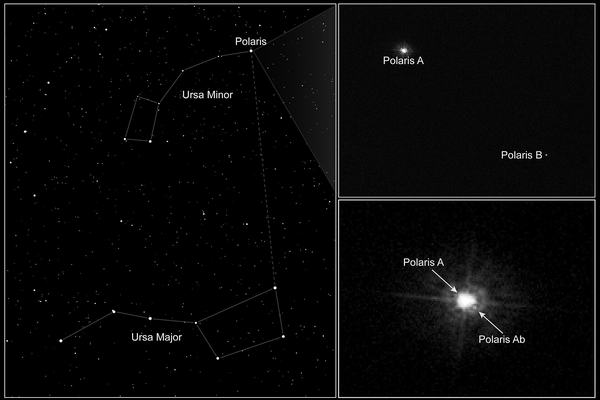
Polaris: The North Star That's Getting Brighter
Polaris is not one star but three, it has mysteriously brightened over the centuries, and its reign as the North Star is only a temporary accident of Earth's wobble.
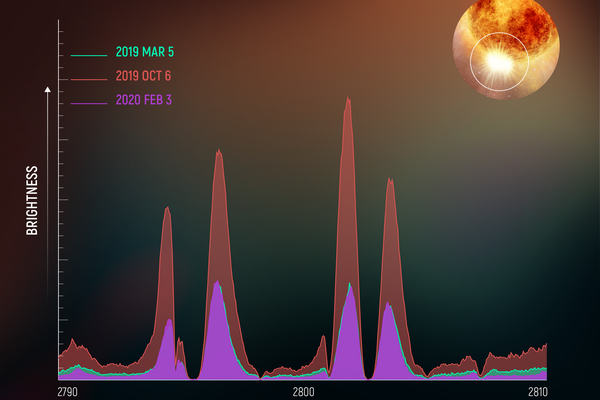
Betelgeuse: The Dying Star Big Enough to Swallow Four Planets
Betelgeuse is a red supergiant so large its surface could stretch out past Mars, swallowing every rocky planet along the way, and its 2019-2020 dimming episode saw its brightness fall by more than two-thirds. Here is what the data actually shows.