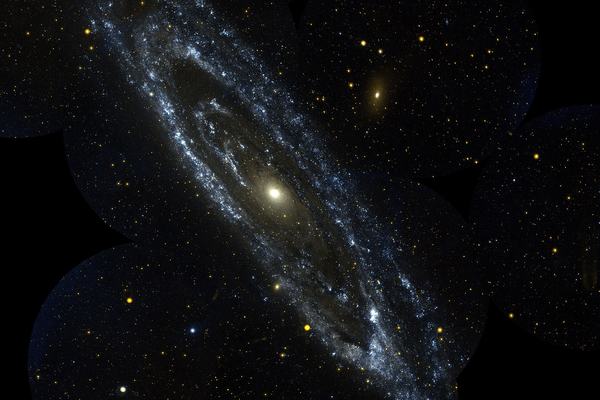
Andromeda Galaxy: The Neighbor Set to Collide With Us
The Andromeda Galaxy is the nearest major galaxy to the Milky Way, first described in 964 CE, and it is on a collision course that will merge the two galaxies in about 4.5 billion years.
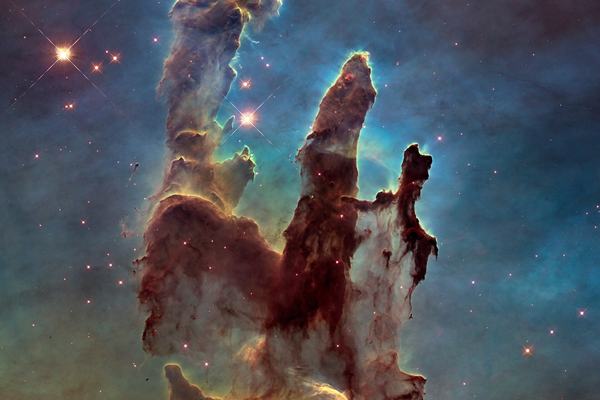
Eagle Nebula: The Pillars Hubble Made Famous Were Found in 1920
The Eagle Nebula is the star-forming region around the cluster NGC 6611, famous for the Pillars of Creation -- towers of gas and dust that Hubble and James Webb have photographed again and again.
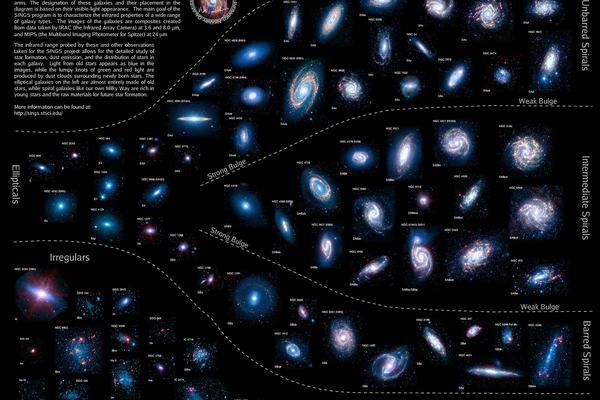
Galaxy: There May Be Two Trillion of Them
Galaxies range from dwarfs with under a thousand stars to supergiants with a hundred trillion, and the observable universe may hold as many as two trillion of them.
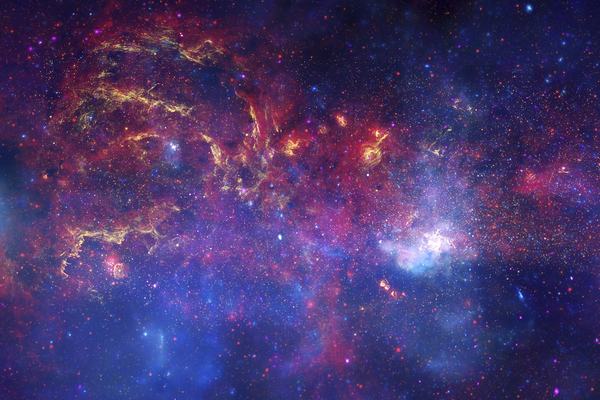
The Milky Way: Our Galaxy Has Only Two Real Arms
The Milky Way is a barred spiral galaxy holding 100 to 400 billion stars, with a supermassive black hole at its center that astronomers finally photographed in 2022.
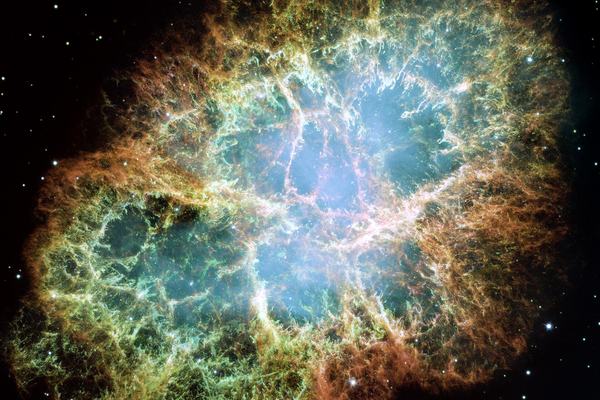
Nebula: The 'Planetary' Clouds With Nothing to Do With Planets
A nebula is a vast cloud of interstellar gas and dust that can either give birth to new stars or mark the death of an old one, and its many types get their names from very different physics.
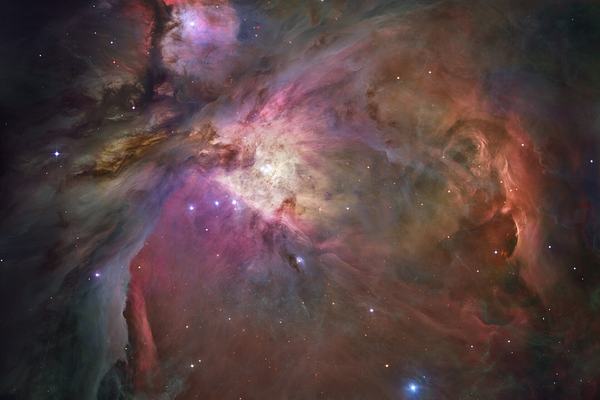
Orion Nebula: The Star Nursery Visible to the Naked Eye
The Orion Nebula is the closest region of massive star formation to Earth, bright enough to see with the naked eye, and home to nearly 700 stars still being born within it.
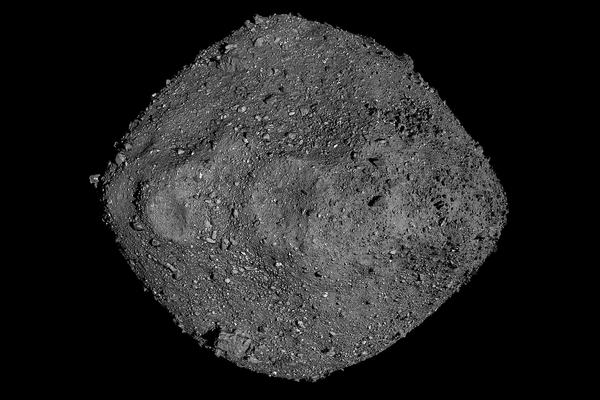
Asteroid: The Space Rocks That Have Their Own Moons
Asteroids are far stranger than leftover space rubble. Some carry their own moons, some are held together by almost nothing, and a few have been visited, sampled, or even landed on by spacecraft.
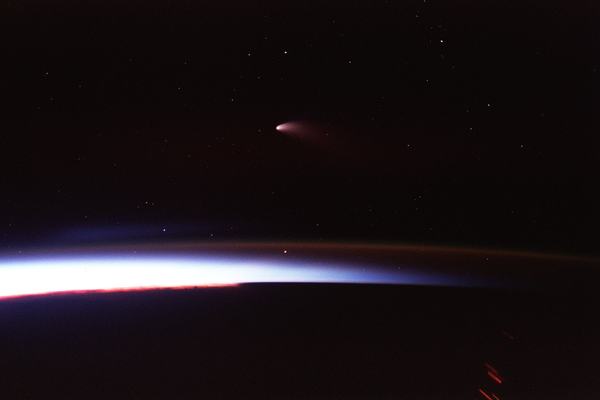
Comet: The Tiny Nucleus That Can Outgrow the Sun
Comets are frozen leftovers from the birth of the Solar System, small enough to hide in a city yet capable of growing a glow bigger than the Sun. Here is what actually happens inside one.
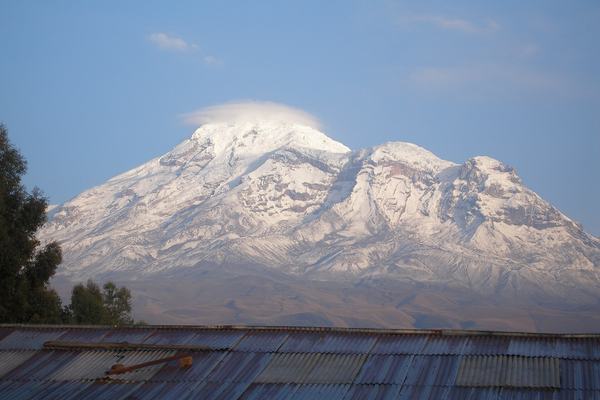
Earth: The Peak Farthest From Its Center Isn't Everest
The point farthest from Earth's center isn't Mount Everest, the ocean floor recycles itself every 200 million years, and the planet's magnetic shield is already fading. Twenty things about home you probably didn't know.
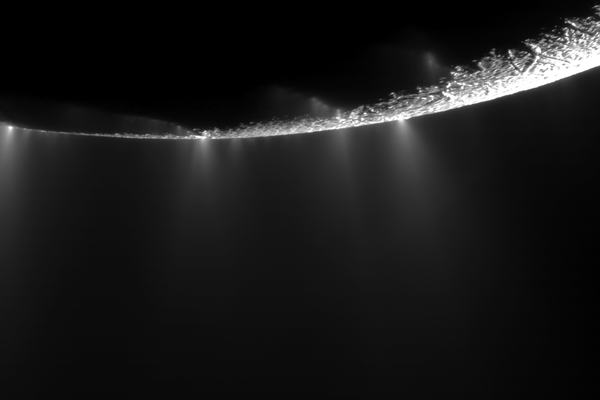
Enceladus: The Snowball Moon That Feeds Saturn's Rings
Enceladus, a small moon of Saturn barely a seventh the size of our own Moon, is covered in fresh clean snow and vents 250 kilograms of water vapor into space every second — enough to build an entire ring of Saturn.
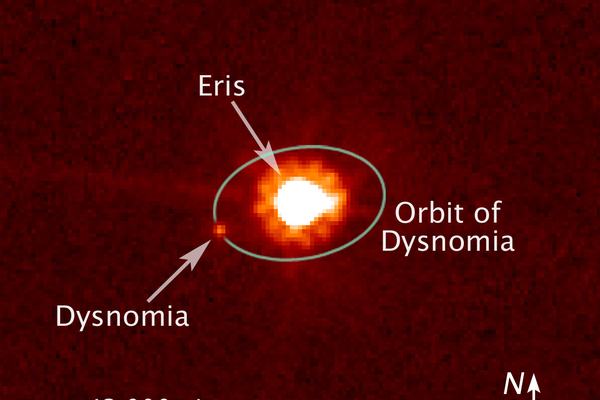
Eris: The Dwarf Planet That Outweighs Pluto
Eris is a dwarf planet in the outer Solar System that is slightly smaller than Pluto by diameter but 27% more massive. Its 2005 discovery directly triggered the debate that demoted Pluto the following year.
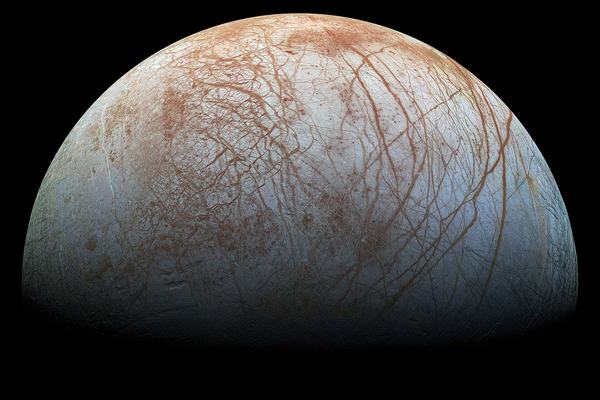
Europa: The Moon That Hides More Ocean Than Earth
Europa is smaller than Earth's Moon, but the ocean hidden beneath its ice holds two to three times as much water as every ocean on Earth combined. Here is what makes this moon one of the best bets for life beyond Earth.