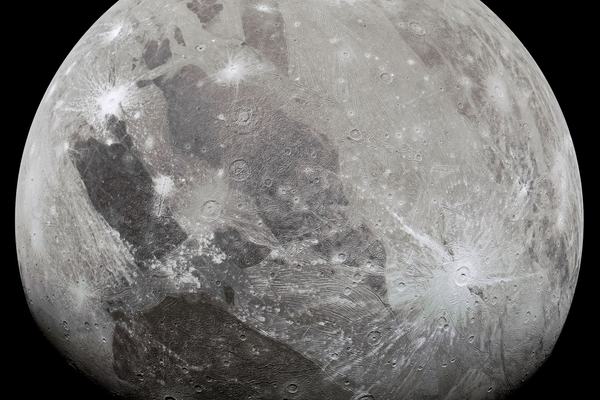
Ganymede: The Moon Bigger Than Mercury With Its Own Magnetic Field
Ganymede, Jupiter's largest moon, is bigger than the planet Mercury and is the only moon in the Solar System known to generate its own magnetic field. Its hidden ocean may hold more water than every ocean on Earth.
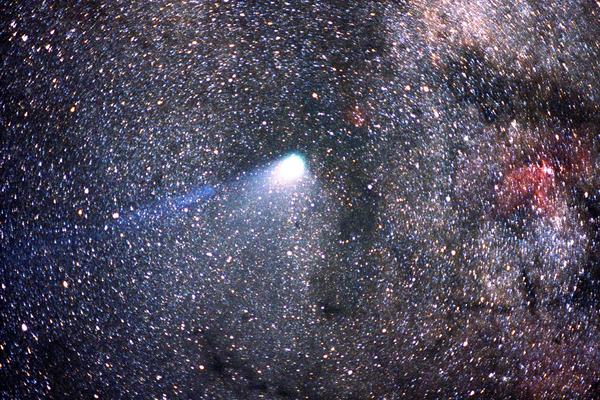
Halley's Comet: The Only One You'll See Twice a Lifetime, Maybe
Halley's Comet is the only short-period comet consistently visible to the naked eye from Earth. Recorded since at least 240 BC, it returns roughly every 75 to 76 years and last appeared in 1986.
Haumea: The Dwarf Planet Shaped Like a Football
Haumea is a dwarf planet beyond Neptune that spins faster than any other known body its size, distorting it into an elongated, egg-like shape. It has two moons, a ring, and a discovery story clouded by controversy.
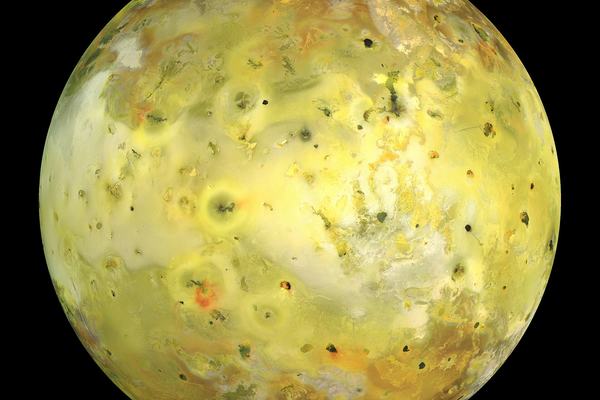
Io: The Moon With 400 Active Volcanoes
Io, the innermost of Jupiter's four Galilean moons, has more than 400 active volcanoes and almost no water at all. Squeezed by Jupiter's gravity, it is the most geologically active object in the Solar System.
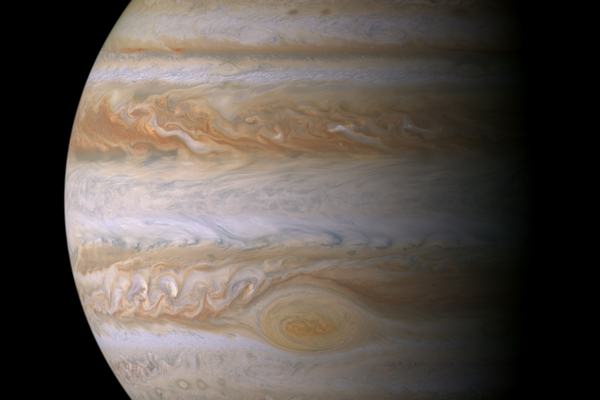
Jupiter: The Planet Whose Gravity the Sun Can't Fully Claim
Jupiter is the only planet massive enough to pull its shared center of gravity with the Sun outside the Sun itself. Here is what else makes it the Solar System's giant.
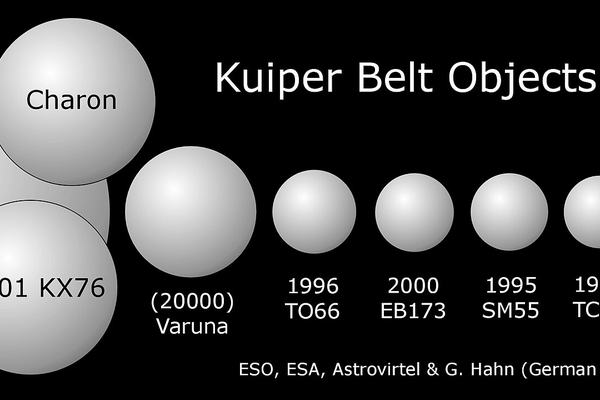
Kuiper Belt: 20 Times as Wide as the Asteroid Belt
The Kuiper belt is a vast, icy region beyond Neptune that dwarfs the asteroid belt in size, yet it holds barely a sliver of its original mass. Here is what its discovery, structure, and one snowman-shaped visitor reveal.
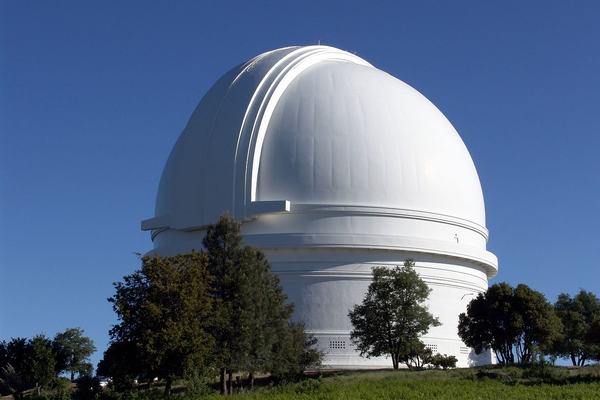
Makemake: The Dwarf Planet That Redefined Pluto
Makemake is a bright, highly reflective dwarf planet in the Kuiper belt whose 2005 discovery helped push astronomers to reclassify Pluto. It has just one known moon, fittingly nicknamed "MK 2."
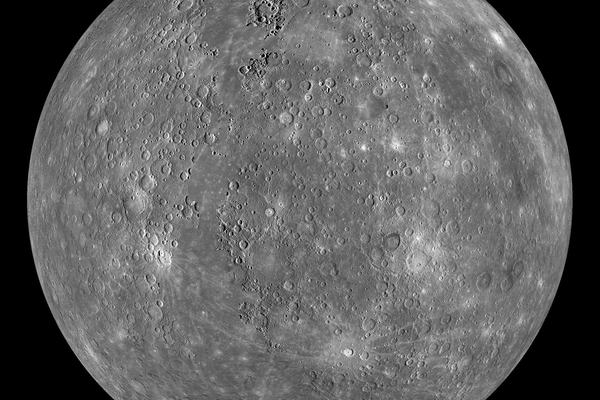
Mercury: The Planet Where a Day Lasts Longer Than a Year
On Mercury, a single day from sunrise to sunrise lasts 176 Earth days — twice as long as its entire year. Here are the most surprising facts about the Solar System's smallest and strangest planet.
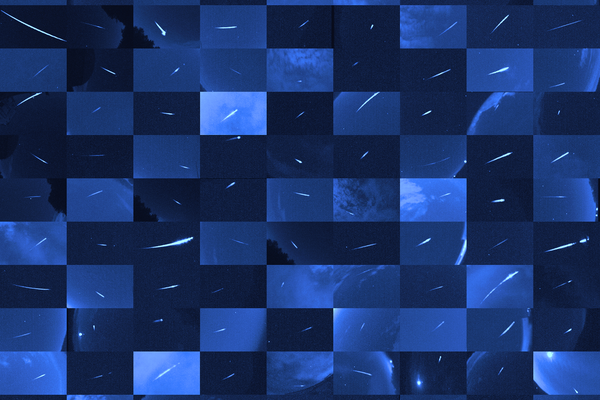
Meteor: The Streak of Light That Once Outshone the Sun
A meteor is not a falling star but a streak of light created when a speck of space debris burns up 76 to 100 kilometers above Earth's surface. Here is what is actually happening over your head.
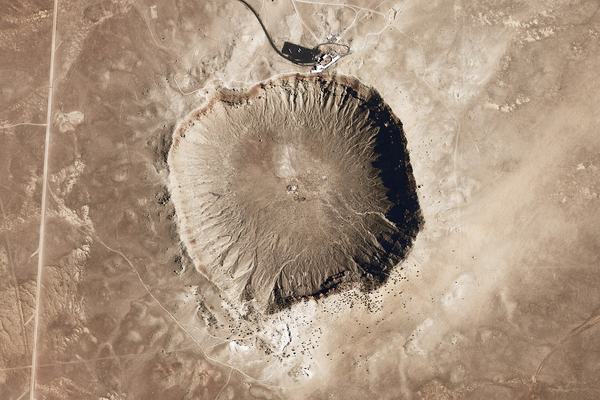
Meteorite: The 60-Tonne Rock Nobody Has Ever Moved
A meteorite is what's left after a piece of space rock survives the fall to the ground. A handful of famous ones have rewritten what we know about the Solar System's age, its chemistry, and its neighboring planets.
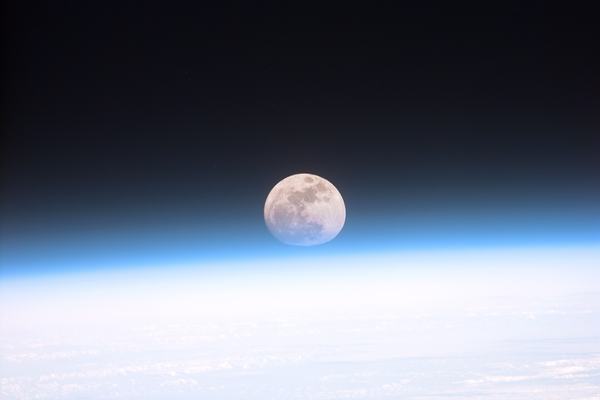
The Moon: Drifting Away at the Speed Your Fingernails Grow
Earth's closest neighbor drifts away at roughly the speed fingernails grow, hides the coldest measured spot in the Solar System, and once carried a magnetic field nearly as strong as Earth's own.
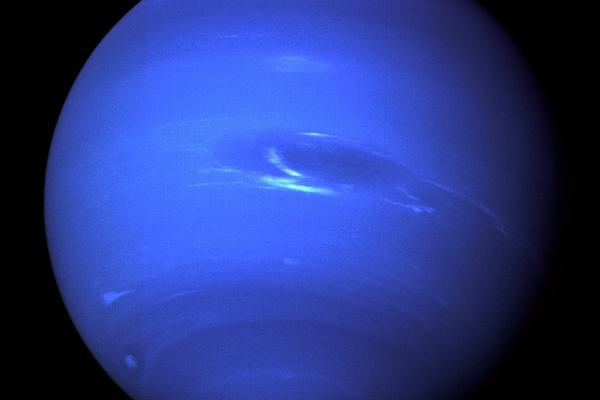
Neptune: The Planet Found by Math Before Anyone Saw It
Neptune is the only planet in the Solar System that was found by mathematical prediction before it was ever directly observed. Here is what else makes it strange.