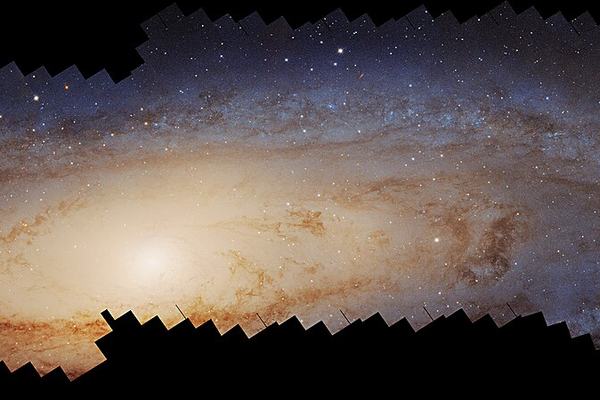
Light-Year: A Distance of Exactly 9.46 Trillion Kilometres
A light-year is not a measure of time at all — it's a fixed distance of trillions of kilometres, and most working astronomers reach for a different unit anyway.
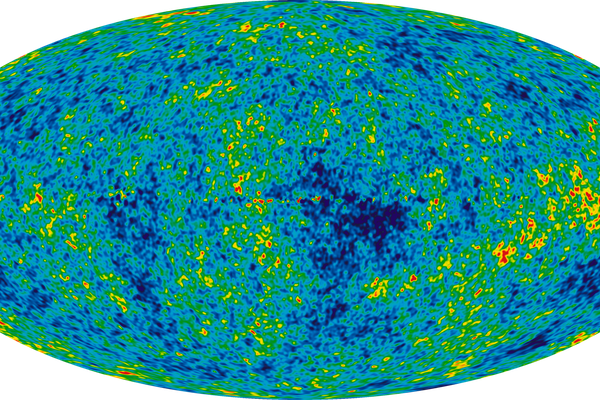
Dark Matter: The Universe's Missing Mass, Named in 1906
Dark matter was named decades before anyone found real evidence for it, and today it's thought to make up more than a quarter of the universe. Here's what the evidence actually shows.
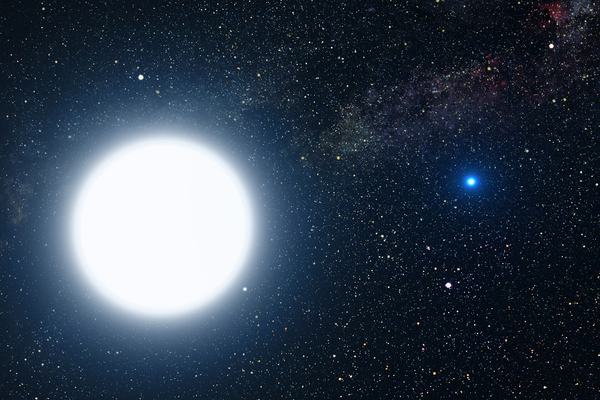
Sirius: The Brightest Star With an Invisible Twin
Sirius outshines every other star in Earth's sky, but its real surprise is the crushed, Earth-sized ember hiding beside it. Here's how astronomers tracked it down, and why a record-setting aircraft once borrowed its name.
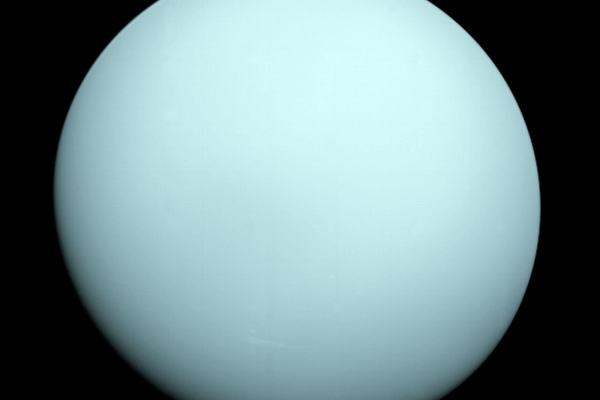
Voyager 2: The Only Spacecraft to Visit Uranus and Neptune
Voyager 2 remains the only spacecraft ever to visit Uranus and Neptune, a detour made possible by a planetary alignment that occurs only once every 176 years. Launched in 1977, it is now NASA's longest-running mission and has been sailing through interstellar space since 2018.
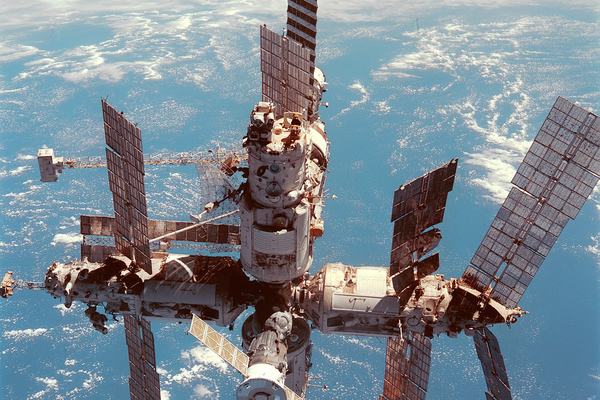
Space Stations: The One Crew That Commuted Between Two of Them
From a 1929 sketch of a spinning wheel to China's Tiangong, space stations have quietly rewritten the record books for how long humans can live off Earth.
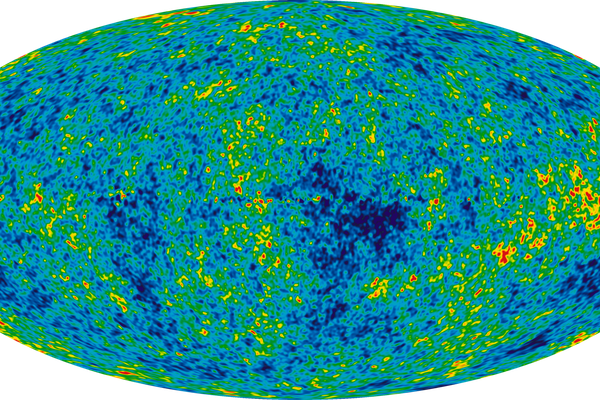
Multiverse: The Idea It Was Once Dangerous to Deny
In medieval Paris, teaching that other universes could not exist was grounds for excommunication; today physicists search the sky for actual evidence of them.
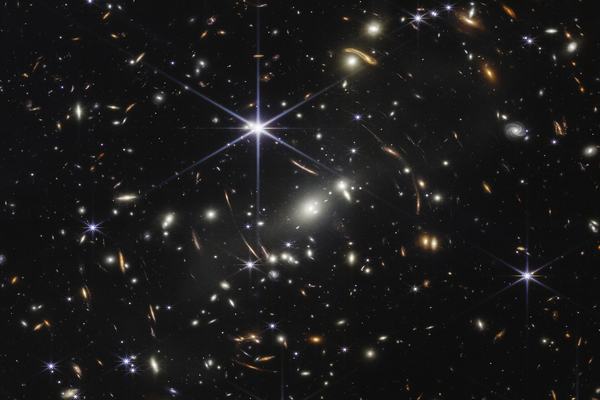
James Webb Space Telescope: Parked a Million Miles From Home
The James Webb Space Telescope is the largest observatory ever placed in space, and it does its work from a lonely orbit far beyond the Moon. These are the numbers behind the mission.
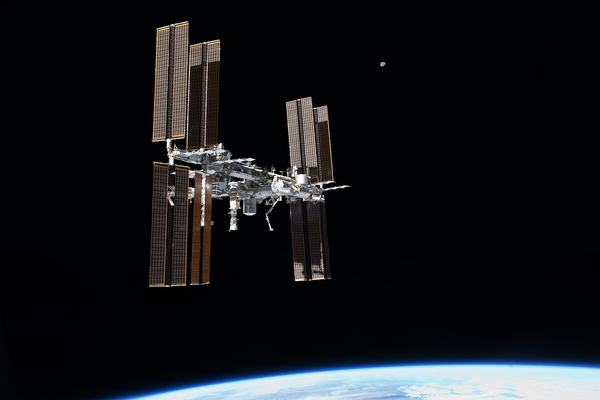
International Space Station: 25 Years Without an Empty Day
The International Space Station has never sat empty since November 2000, housing crews in quarters bigger than a six-bedroom house while circling Earth every 90 minutes.
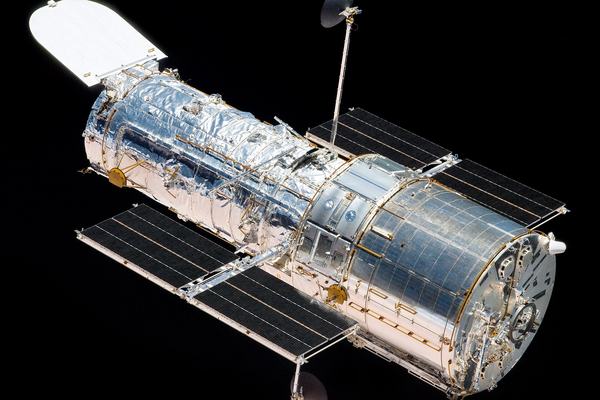
Hubble Space Telescope: The $11.3 Billion Eye That Keeps Looking Deeper
Hubble launched with a flawed mirror, got fixed by astronauts on five shuttle missions, and went on to photograph galaxies from 13.2 billion years ago.
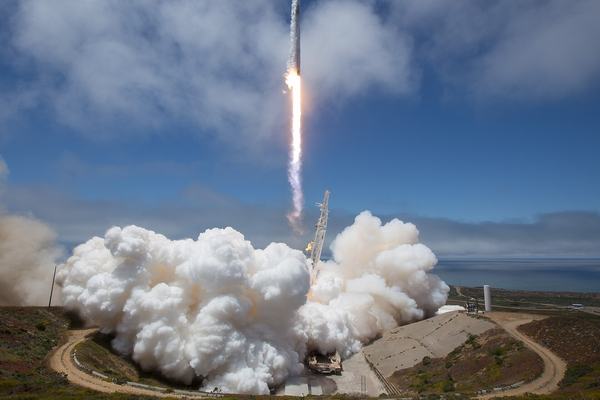
Falcon 9: The Rocket Designed to Land Itself
Falcon 9 has flown 660 successful missions and turned rocket landings from a coin-flip gamble into routine business. Here's how SpaceX rebuilt the economics of getting to orbit.
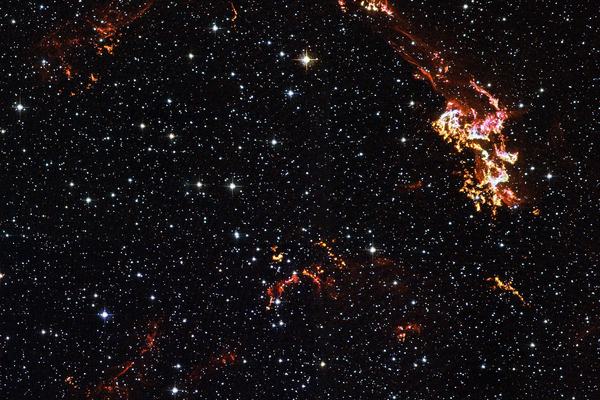
Zodiac Constellations: Why Your Sign No Longer Points at Its Stars
The zodiac started as a precise Babylonian measuring system, not a personality quiz — and more than two millennia of Earth's slow wobble have since pulled the constellations out from under the signs named after them.
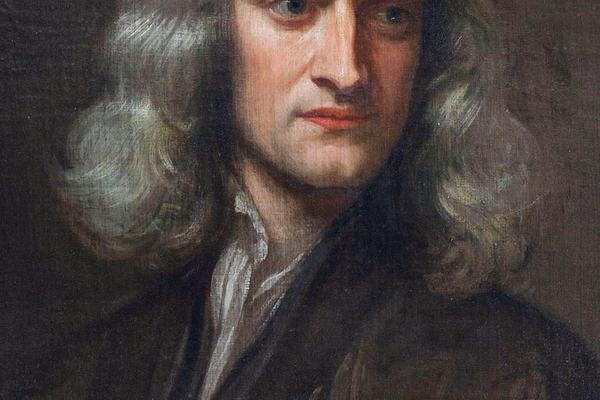
Gravity: The 43-Arcsecond Wobble That Broke Newton's Law
Newton's law of gravity predicted a planet and explained falling apples, but it left a small, stubborn gap in Mercury's orbit that took Einstein's general relativity to close. Here is what the historical record shows about the force that never lets go.